
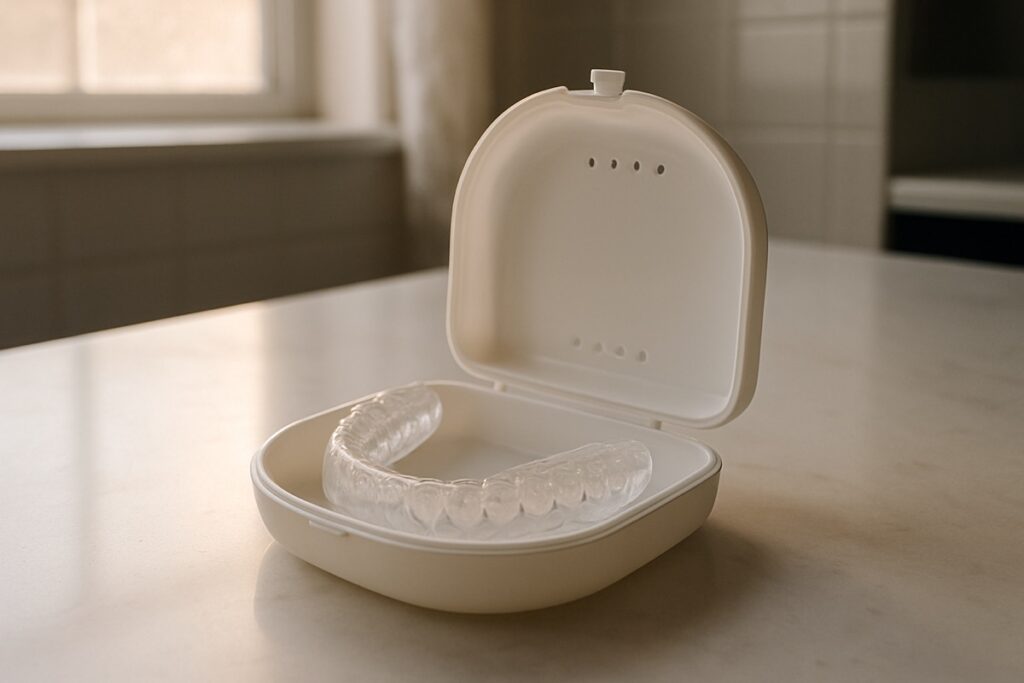
If you wake up with a sore jaw, dull headaches, or teeth that feel sensitive for no obvious reason, your sleep may be doing more work than you realize. Many people clench or grind their teeth, often without being aware of it, and over time that pressure can take a toll. At our Pickering practice, we regularly help patients explore whether a teeth grinding night guard in Pickering might protect their smile and ease everyday discomfort.
Teeth grinding, known clinically as bruxism, can happen during the day or at night. Nighttime grinding is especially common because it occurs while you sleep and outside your conscious control. The good news is that, once it is recognized, there are gentle and practical ways to manage it. In this article, our team explains the symptoms we look for, the kind of damage grinding can cause, and how a custom night guard compares with the options you might find on a store shelf.
What Causes Teeth Grinding?
Bruxism rarely has a single cause. For many people, stress and tension play a role, which is why grinding sometimes increases during busy or demanding seasons of life. Sleep-related factors, certain bite irregularities, and some lifestyle habits can also contribute. Because the triggers vary so much from person to person, an individual assessment is the most reliable way to understand what may be driving your grinding.
What makes nighttime bruxism particularly challenging is that it happens when you are least able to notice it. A bed partner may hear the grinding sound before you feel any symptoms. Often, it is a dentist who first spots the telltale signs of wear during a routine exam, which is one more reason regular checkups are so valuable for patients across Pickering and nearby Whitby.
Common Signs and Symptoms of Bruxism

Because grinding is easy to miss, it helps to know what to pay attention to. Patients who grind their teeth sometimes notice one or more of the following:
- Jaw soreness or tightness, especially in the morning
- Dull headaches that seem to start near the temples
- Teeth that look flattened, chipped, or increasingly worn
- Heightened tooth sensitivity to hot or cold
- Clicking or discomfort in the jaw joint
- Disrupted sleep, for you or someone who shares your room
Experiencing one of these signs does not automatically mean you grind your teeth, since these symptoms can have other causes too. Still, they are worth mentioning at your next visit so your dentist can take a closer look and help you understand what is going on.
How Grinding Can Affect Your Teeth and Jaw
The forces generated during grinding can be considerable, and over months and years that repeated pressure may gradually wear down the chewing surfaces of your teeth. In some cases, grinding contributes to small cracks, chips, or fractures, and it can place strain on existing dental work. Patients sometimes do not connect a cracked or sensitive tooth with their nighttime habits until an exam reveals the pattern.
When grinding leads to a chipped or broken tooth, prompt care can make a difference, and our emergency dentist services in Pickering are here for those unexpected moments. Where significant wear or damage has already occurred, restorative options such as dental crowns in Pickering may help rebuild and protect a tooth. That said, addressing the grinding itself is an important part of the picture, since protecting your teeth going forward is often more comfortable than repeatedly repairing them.
Choosing the Right Teeth Grinding Night Guard in Pickering
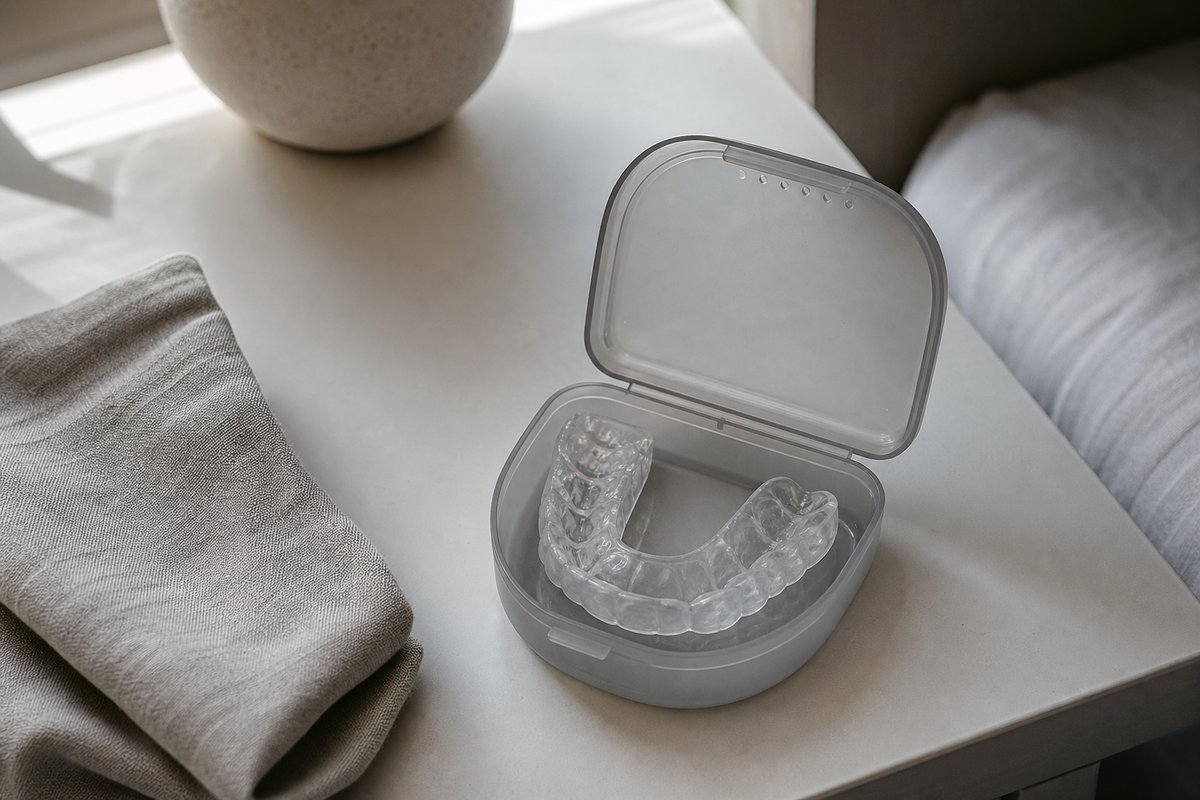
A night guard is a custom-fitted appliance worn over your teeth while you sleep. It acts as a cushion, helping to absorb and redistribute the forces of grinding so your teeth are less likely to wear against one another. For many patients, a well-fitted guard is a simple, non-invasive way to safeguard their smile.
You will find inexpensive boil-and-bite guards at many pharmacies, and they can offer some short-term protection. However, store-bought versions are not tailored to your bite and can sometimes feel bulky or fit poorly, which may make them harder to wear consistently. A custom night guard is made from impressions of your own teeth, so it is designed to fit your mouth more precisely and comfortably. We often find that a comfortable guard is one you are actually willing to wear night after night, which is what makes it effective.
During a visit, your dentist can assess the degree of wear, talk through whether a guard makes sense for you, and recommend a design suited to your needs. Guards also need occasional checkups so we can confirm they still fit well and are holding up over time. If your grinding appears connected to stress or sleep concerns, we may discuss additional strategies or, when appropriate, coordinate with other health professionals.
Caring for Your Night Guard
A night guard is an investment in your comfort, and a little care goes a long way. Rinse it after each use, clean it as your dentist recommends, and store it in its case when it is not in your mouth. Bring it along to your dental visits so we can inspect it. With attention, many guards last a good while, though they do wear over time and eventually need replacing. Patients in Pickering and Whitby often appreciate how a small daily routine helps keep their guard fresh and effective.
Everyday Habits That Support Your Jaw
Alongside a night guard, small daytime adjustments can ease the load on your jaw. Many patients find it helps to notice when they are clenching during the day — at a desk, in traffic on the commute between Pickering and Whitby, or while concentrating — and to gently rest the jaw with the lips together and the teeth slightly apart. Staying mindful of stress, taking short breaks, and going easy on very hard or chewy foods can also reduce strain. These habits do not replace a guard, but they can complement it nicely.
If headaches or jaw discomfort continue despite a guard and these adjustments, let your dentist know. Persistent symptoms sometimes point to other factors worth exploring, and we would rather take a closer look than have you live with discomfort. Working together over time, we can fine-tune your plan and make sure your guard is still doing its job comfortably.
Frequently Asked Questions
How do I know if I grind my teeth at night?
Because nighttime grinding happens during sleep, you may not be aware of it. Morning jaw soreness, headaches, or comments from a bed partner can be clues, but the most reliable way to know is a dental exam, where your dentist can check for characteristic patterns of wear.
Is a custom night guard better than a store-bought one?
A custom guard is made to fit your specific bite, which many patients find more comfortable and easier to wear consistently. Over-the-counter guards can provide some protection, but their generic fit does not suit everyone. Your dentist can help you weigh the options for your situation.
Will a night guard stop my grinding completely?
A night guard is designed to protect your teeth from the effects of grinding rather than to cure the habit itself. It cushions the forces involved so your teeth are less likely to wear against each other. Addressing underlying factors, where possible, is a separate but complementary part of care.
How long does a night guard last?
It varies. Some guards hold up well for a few years, while others wear faster depending on how heavily a person grinds. Bringing your guard to routine appointments lets your dentist check its condition and let you know when a replacement may be due.
If morning jaw tension or unexplained tooth wear sounds familiar, we would be glad to take a look and discuss whether a custom night guard could help. To learn more or arrange a consultation, visit our Pickering location page for our hours and contact information, and our team will help you find a comfortable path toward protecting your smile while you sleep.