Seeing pink in the sink after you brush or floss is common enough that many people shrug it off. It can be a sign that plaque has built up along the gumline and the tissue has become inflamed, and it is worth taking seriously even when it does not hurt. The good news is that gums often respond well when the cause is found early and daily cleaning improves.
This guide explains the most common reasons for bleeding gums when brushing, what you can adjust at home, what a dental visit usually involves, and which symptoms mean you should call the office sooner rather than later. It is general information, not a diagnosis, because the right plan depends on an examination of your own mouth.
Why gums bleed when you brush
Healthy gum tissue is firm, pale pink and does not bleed with normal cleaning. When plaque stays along the gumline for days, the bacteria irritate the tissue. The gums swell, turn redder and bleed more easily, even with light contact from a toothbrush or floss.
This early stage of gum inflammation is called gingivitis. It is common, and it is often reversible when the buildup is removed and the area is cleaned well every day. If the inflammation is left alone, it can progress to a more serious form of gum disease that affects the bone and tissue supporting the teeth, which is why bleeding that keeps returning deserves attention.
Other common causes of bleeding gums
Plaque is the most frequent cause, but it is not the only one. Several other factors can make gums bleed more easily:
- Brushing too hard. A firm brush and heavy pressure can irritate the tissue and wear at the gumline.
- Starting or restarting flossing. Gums that have been neglected may bleed for the first several days of regular flossing as they adjust.
- Hormonal changes. Pregnancy and other hormone shifts can make gum tissue more reactive to plaque.
- Medications. Some medicines, including blood thinners, can increase bleeding. Never stop a prescribed medication without speaking to the clinician who prescribed it.
- Ill-fitting restorations or appliances. A rough edge, a crown margin that traps plaque or a poorly fitting appliance can irritate one area.
- Health conditions. Diabetes and other conditions can affect how gums respond to plaque, so tell your dental team about changes in your health.
What gentle, effective brushing looks like
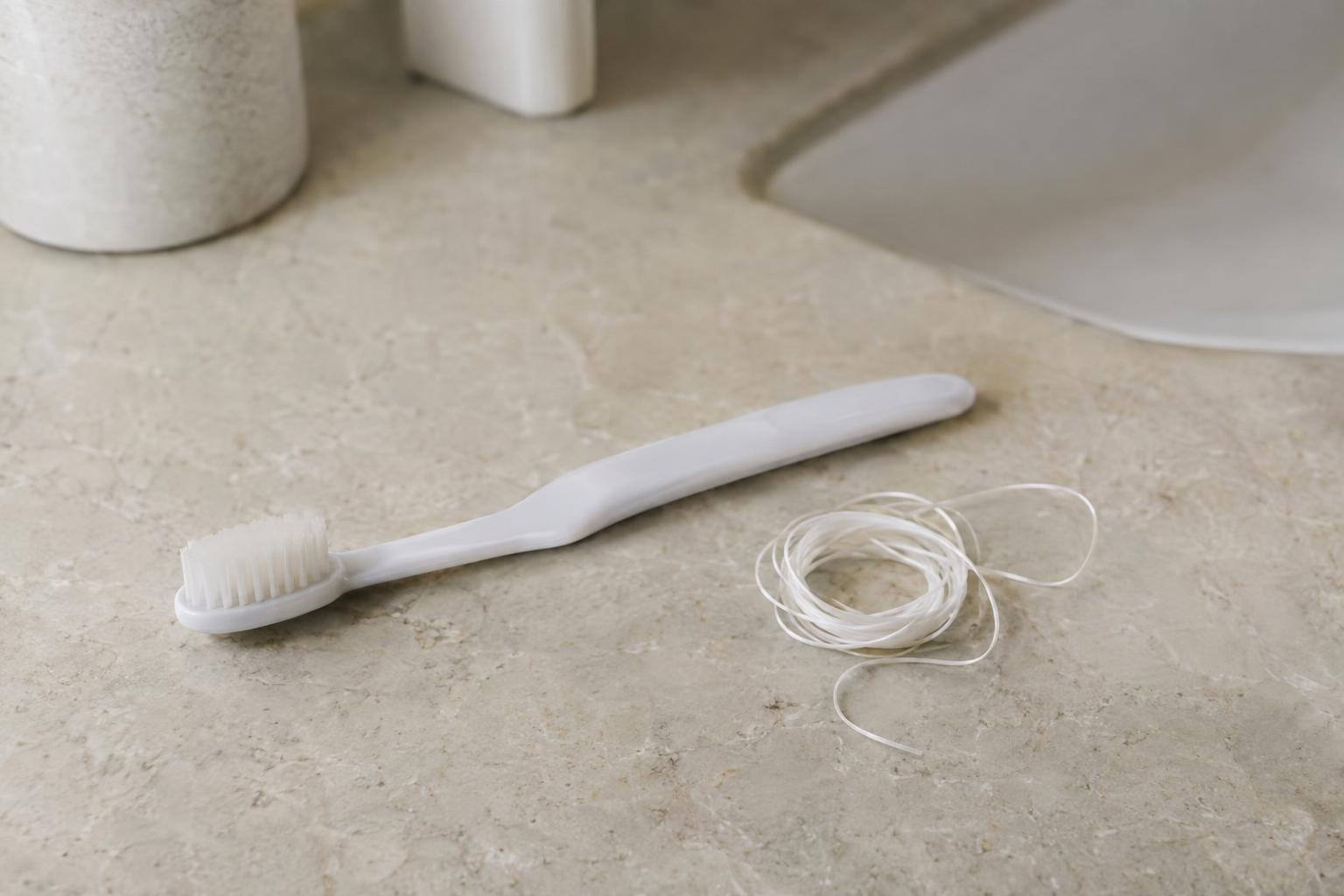
Many people brush hard because they believe pressure equals cleanliness. For gum health it is the opposite. Use a soft-bristled brush, hold it at a slight angle toward the gumline and use short, light strokes. Let the bristles do the work. Brush for two minutes, twice a day, and cover the outer, inner and chewing surfaces of every tooth.
An electric toothbrush with a pressure sensor can help if you tend to press too hard. Replace your brush or brush head about every three months, or sooner if the bristles flare out. A worn brush cleans less effectively and can be rougher on the gums.
Cleaning between your teeth
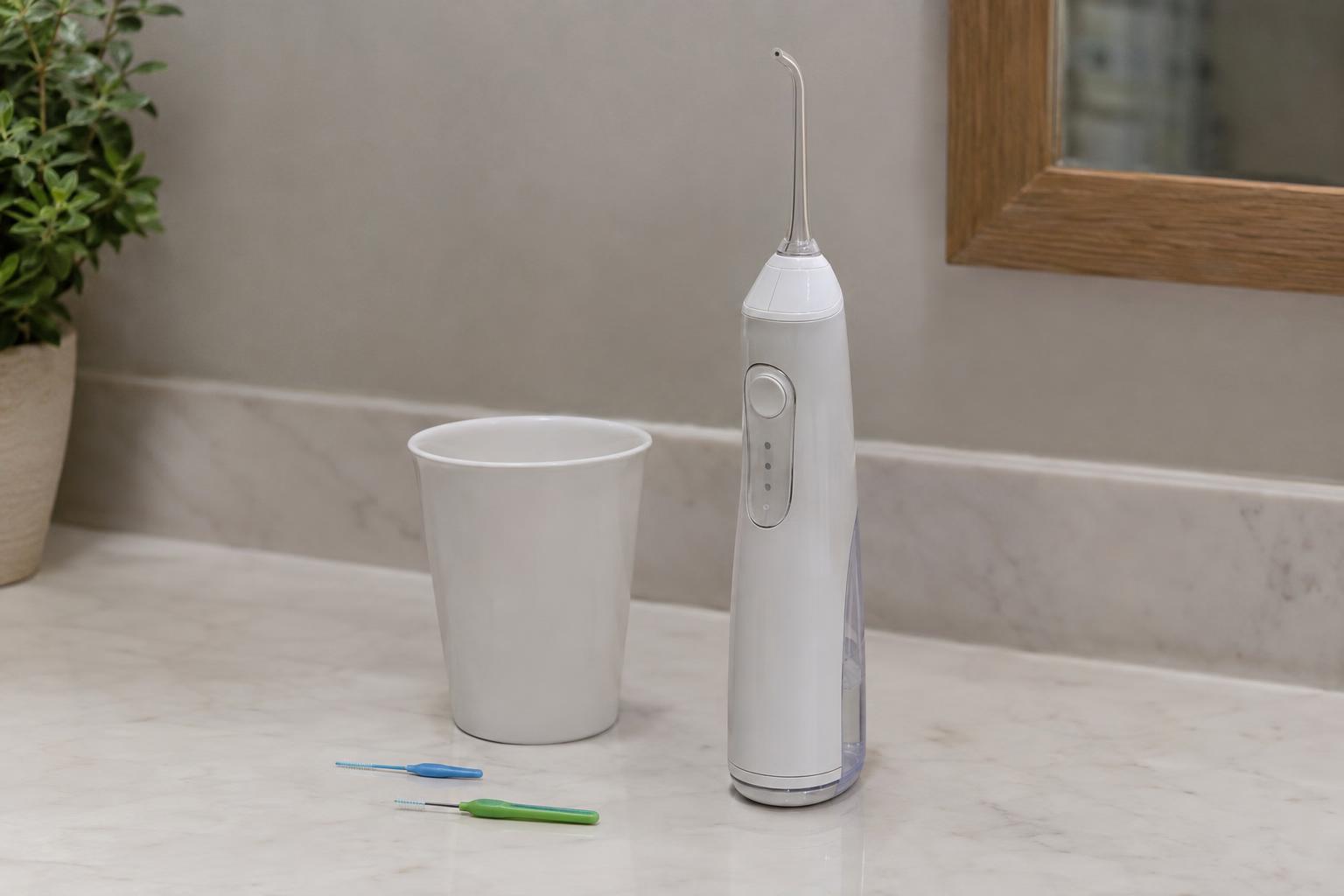
A toothbrush cannot reach the surfaces where teeth touch, and that is where plaque often hides. Cleaning between the teeth once a day is one of the most useful habits for calming inflamed gums. Floss, interdental brushes or a water flosser can all play a role, depending on the spacing of your teeth.
Slide floss gently between the teeth and curve it around each tooth in a C shape, moving it below the gumline without snapping it down. If your gums bleed when you start, keep going with a gentle technique. Bleeding that settles within one to two weeks of consistent, careful cleaning is a good sign that the tissue is recovering. If it does not settle, that is information worth sharing with your dentist.
Habits that support healthier gums
Daily cleaning matters most, but a few supporting habits help as well:
- Limit sugary snacks and drinks between meals so plaque bacteria have less to feed on.
- Drink water through the day, especially after coffee, tea or sweet drinks.
- Avoid tobacco in all forms. Smoking and vaping can hide the signs of gum disease by reducing visible bleeding while the underlying problem continues.
- Keep regular checkups so buildup that home cleaning cannot remove is cleaned away.
An antibacterial mouth rinse may be suggested for a short period in some cases, but it is a supplement and not a replacement for brushing and cleaning between the teeth. Ask your dental team before using one for an extended time.
Why a professional cleaning is part of the answer
Plaque that stays on the teeth can harden into tartar, also called calculus. Tartar cannot be brushed away at home. It gives new plaque a rough surface to cling to and keeps irritating the gums, so the bleeding continues even when your home routine is good.
A professional cleaning removes plaque and tartar from above and just below the gumline, and the hygienist can show you where you are missing spots. You can read more about what a visit includes on our teeth cleaning in Pickering page. If the examination shows deeper gum involvement, the dentist may recommend a more thorough approach, which is explained in our guide to gum disease treatment in Pickering.
What to expect at the dental visit
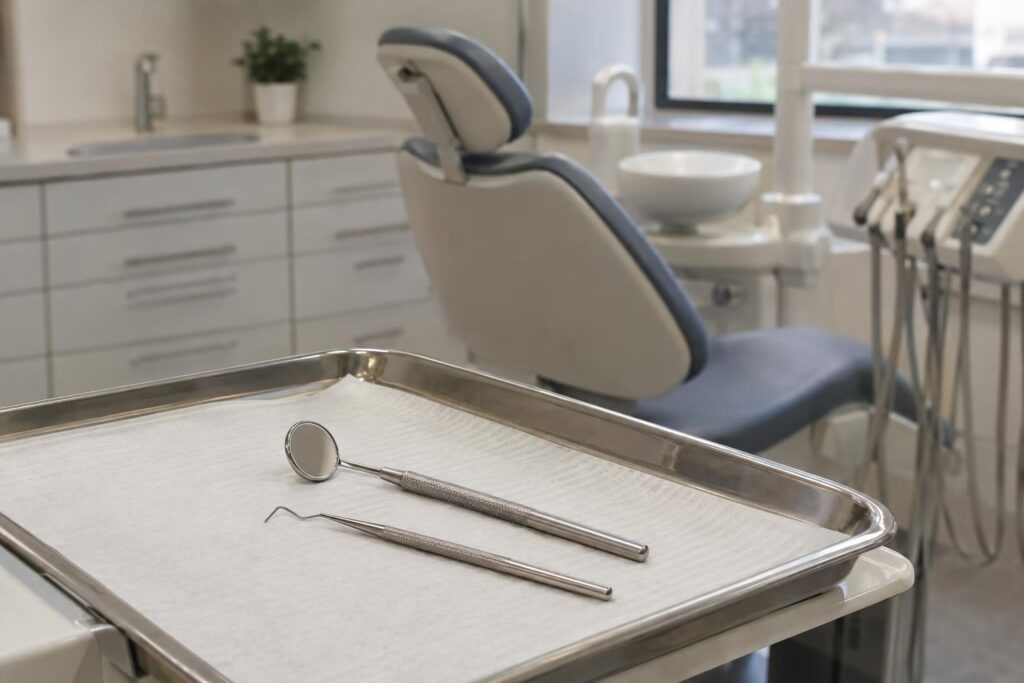
When you book because of bleeding gums, expect the dentist or hygienist to ask when it started, how often it happens and whether anything has changed in your health or medication. They will look at the gum tissue, check how your teeth fit together and measure the small spaces between the gums and teeth to see whether the inflammation is shallow or deeper. X-rays may be taken when there is a reason to look at the bone and the areas between teeth.
From that picture they can explain what is happening in plain language and recommend a plan. For many people the plan is a thorough cleaning plus clear home-care coaching and a follow-up check to see how the gums have responded.
When bleeding gums need prompt attention
Contact the office promptly if you notice any of the following:
- Bleeding that continues after a week or two of gentle, consistent cleaning
- Gums that are very swollen, painful or have a pimple-like bump
- Persistent bad breath or a bad taste that does not clear
- Gums that are pulling back or teeth that feel loose or look longer
- Bleeding that starts suddenly or is heavy, or that happens without any brushing
Heavy bleeding that does not stop, or swelling that spreads to your face or makes it hard to swallow, needs urgent medical or dental care. Our team explains how to handle urgent situations on the emergency dental care in Pickering page.
Reliable background reading
The American Dental Association’s consumer resource, Mouth Healthy overview of bleeding gums, gives a clear summary of common causes and why persistent bleeding should be checked. It is a helpful companion to the advice of your own dentist.
Frequently asked questions about bleeding gums
Is it normal for gums to bleed when I floss?
It is common, especially if you have not flossed regularly, but it is not something to ignore. Gentle, daily cleaning often reduces the bleeding within a couple of weeks. If it continues, have the gums checked.
Should I stop brushing the bleeding area?
No. Keep cleaning the area gently. Plaque that stays in place keeps the gums inflamed, so skipping the area usually makes the problem last longer.
Can bleeding gums go away on their own?
Mild inflammation caused by plaque often improves once the buildup is removed and home care is consistent. Because tartar and other causes cannot be handled at home, a dental examination is the reliable way to know what is going on.
How often should I see the dentist if my gums bleed?
The interval depends on your gum health and risk factors. After an examination, your dental team will recommend a schedule suited to you, which may be more frequent for a time while the gums recover.
Take the first step toward healthier gums
Bleeding gums are your mouth asking for attention. A softer, more careful brushing technique, daily cleaning between the teeth and a professional cleaning resolve the cause for many people, and an early visit lets the team catch anything more serious while it is easier to manage.
If your gums bleed regularly, call Ivory Dental in Pickering at (905) 839-9663 or contact us online to book an appointment. We will examine your gums, explain what we find and help you build a routine that fits your life.