
Chipped tooth? Gap between your front teeth? Stubborn stain that whitening cannot fix? Dental bonding in Pickering at Ivory Dental may offer a conservative way to reshape or repair the affected area. Some bonding appointments can be completed in one visit; timing depends on the tooth and the amount of treatment.
What Is Dental Bonding?
Dental bonding uses a tooth-coloured composite resin material that Dr. Claudia Wood sculpts directly onto your tooth. The resin is shaped to repair chips, close gaps, cover stains, or change the shape of a tooth, then hardened with a special light. The result is a natural-looking repair that blends with your surrounding teeth.
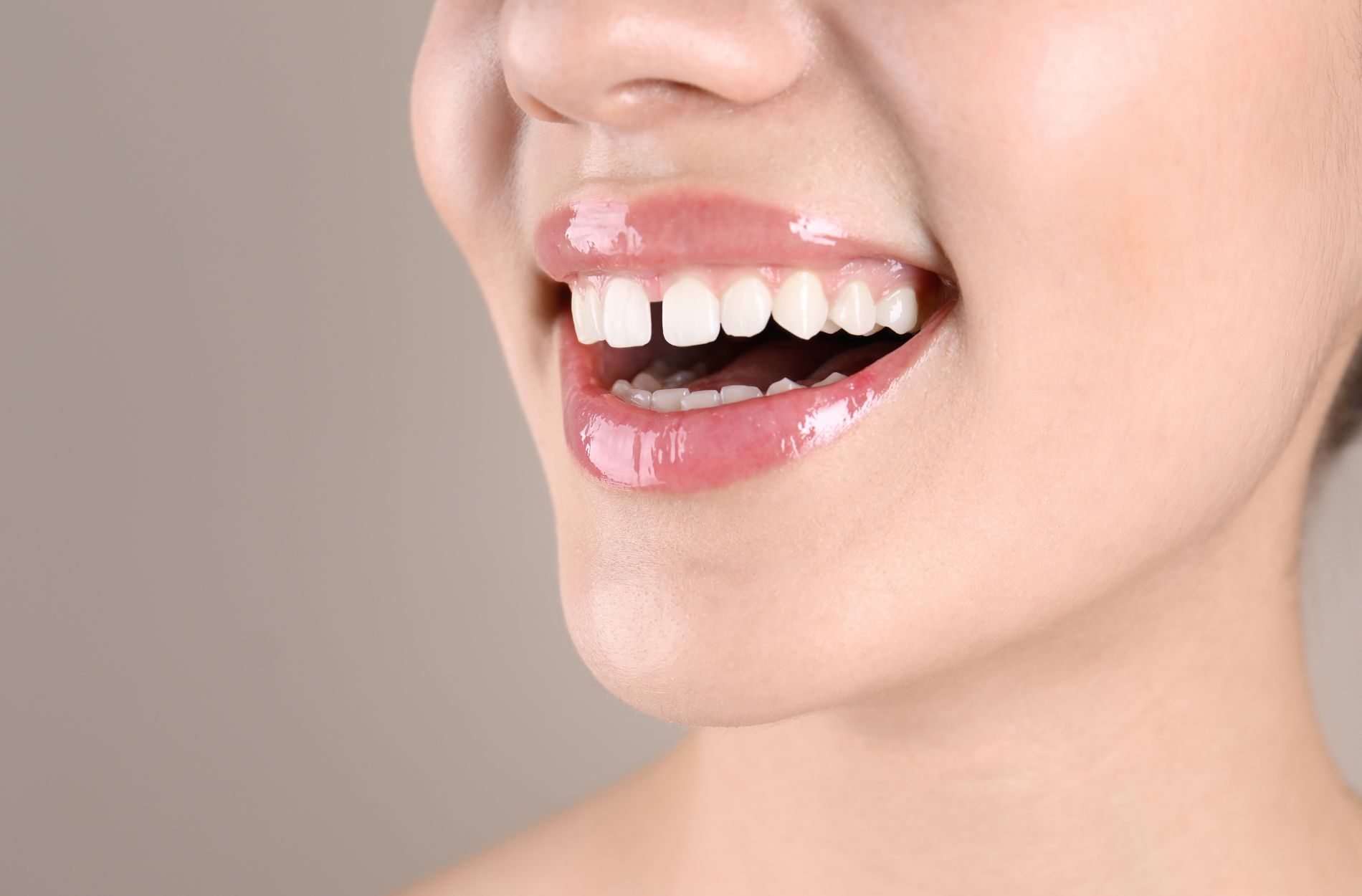
Unlike treatments that cover more of a tooth, bonding is often a conservative option for a minor surface repair. Little to no enamel may need to be removed, and local anesthetic is often unnecessary unless the tooth also needs treatment for decay or another condition. Bonding can often be completed in one visit, although timing varies with the condition being treated and the scope of repair.
What Dental Bonding Fixes
Bonding is one of the most versatile cosmetic dentistry procedures we offer at our Pickering office. Common uses include:
- Minor chips and localized shape changes — bonding may rebuild a small missing area after the tooth is examined; a possible crack needs diagnosis before treatment is chosen
- Gaps between teeth — builds up tooth width to close small spaces (diastema)
- Discoloured teeth — covers stains that do not respond to whitening
- Misshapen teeth — reshapes teeth that are too small, pointed, or uneven
- Some exposed root surfaces — bonding may be considered after the cause of gum recession and sensitivity is assessed
- Cavity filling — tooth-coloured alternative to silver amalgam fillings
The Bonding Process at Ivory Dental

The process starts with confirming the treatment plan and selecting a composite resin shade for the tooth. Dr. Wood then prepares the tooth surface and applies a conditioning liquid to help the resin adhere. Preparation and comfort needs depend on the tooth condition and the work involved.
The resin is applied to the tooth and moulded into the planned shape. A curing light hardens the material. Dr. Wood then trims, shapes, and polishes the bonding and checks how it coordinates with the nearby teeth and bite.
The dentist shapes the composite directly on the tooth, so custom laboratory fabrication is generally not part of a bonding appointment. The number and length of visits depend on the teeth involved and the treatment plan.
Dental Bonding vs Veneers
Both bonding and veneers can change the appearance of front teeth, but they cover different amounts of tooth structure. Bonding generally applies composite resin to a smaller area. A veneer covers the front surface, and porcelain veneer preparation usually involves removing a thin layer of enamel before the custom restoration is bonded in place. If you are weighing the two, our overview of porcelain veneers in Pickering explains when a veneer may be the better fit.
Porcelain generally resists staining better than composite resin, but both materials can chip, wear, or need repair. The appropriate option depends on the tooth condition, the size of the proposed change, bite forces, oral habits, and how much healthy enamel remains. The dentist can explain the maintenance and repair path after examining your teeth.
Caring for Bonded Teeth
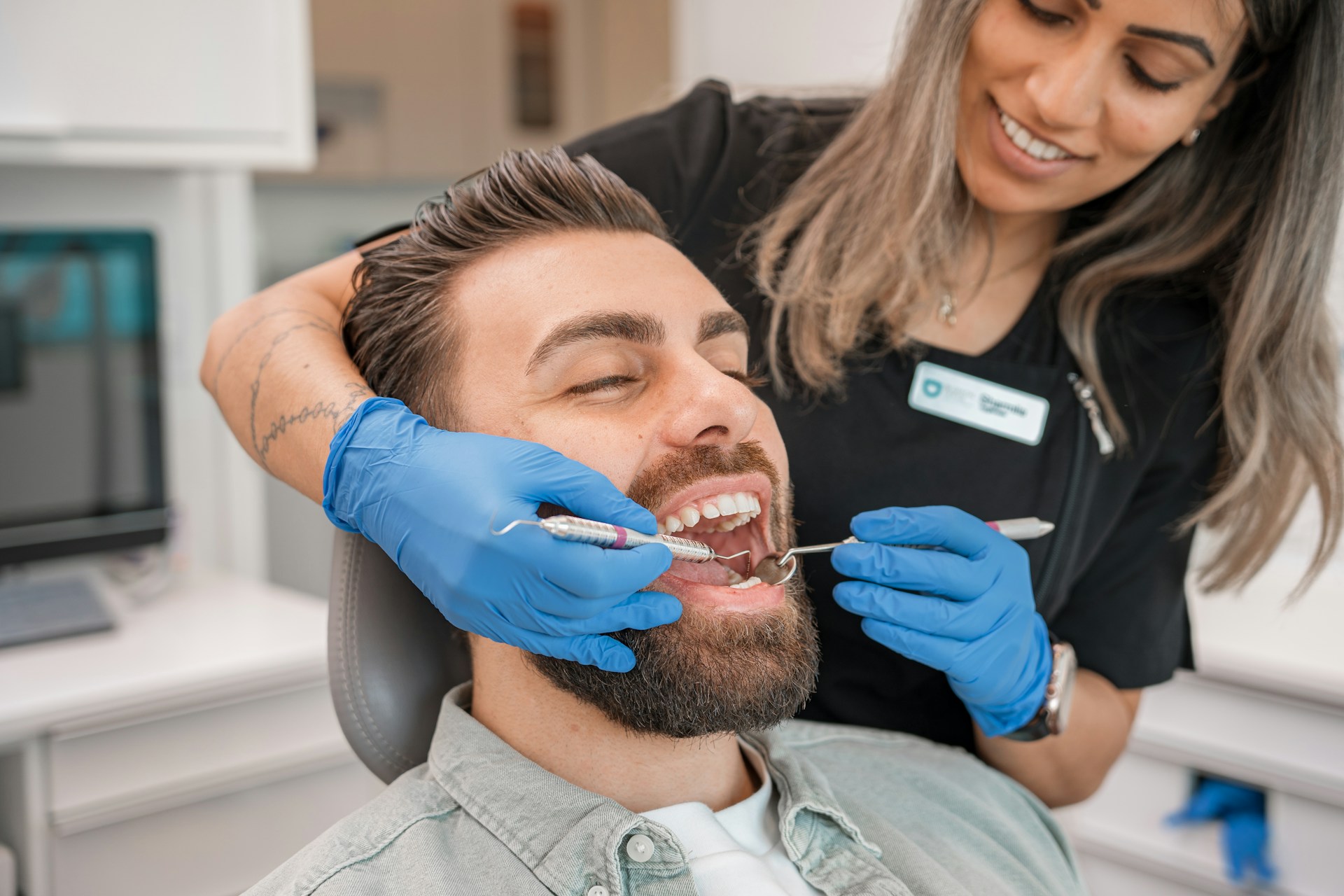
Composite resin can wear, chip, or change colour over time. Avoid biting hard objects such as ice, pens, or fingernails and do not use bonded teeth to open packages. Follow the dentist’s case-specific instructions about food, drinks, cleaning, and when to resume normal use of the tooth.
Brush and floss normally and visit Ivory Dental for regular checkups. Dr. Wood monitors your bonding at each visit and can touch up or replace it when needed. The Canadian Dental Association explains how bonding and veneers are prepared and placed.