

Healthy gums are the quiet foundation of a confident smile, yet periodontal problems tend to develop slowly and with few dramatic warning signs. At our Pickering practice, we often meet patients who are surprised to learn that a little bleeding when they brush can be an early indicator of gum disease. Understanding what the condition is, how it progresses, and what thoughtful gum disease treatment in Pickering involves can help you protect both your teeth and your everyday comfort for years to come.
Gum (periodontal) disease is a bacterial infection of the tissues that surround and support your teeth. It usually advances in stages, and the earlier it is identified, the more conservative the care tends to be. In this guide, our team shares what we look for during an exam, the signs that are worth a closer look, and the professional therapies — including scaling and root planing — that we frequently use to help patients in Pickering, Ajax, and the surrounding communities work toward healthier gums.
What Gum Disease Is and Why It Matters
Your teeth are anchored by gum tissue, ligaments, and bone. Every day, a sticky film of bacteria called plaque forms along the gumline. When plaque is not removed thoroughly, it can harden into tartar and irritate the gums, triggering inflammation. Left unaddressed, that inflammation can gradually move deeper, affecting the supportive structures that hold teeth in place.
Beyond the mouth, researchers continue to study links between periodontal inflammation and broader health concerns. While the science is still evolving and outcomes vary from person to person, many dentists view healthy gums as one meaningful part of overall wellness. The encouraging news is that, in many cases, early gum disease responds well to professional care combined with consistent habits at home. A thorough exam is the most reliable way to understand where your gums stand today.
The Stages of Periodontal Disease
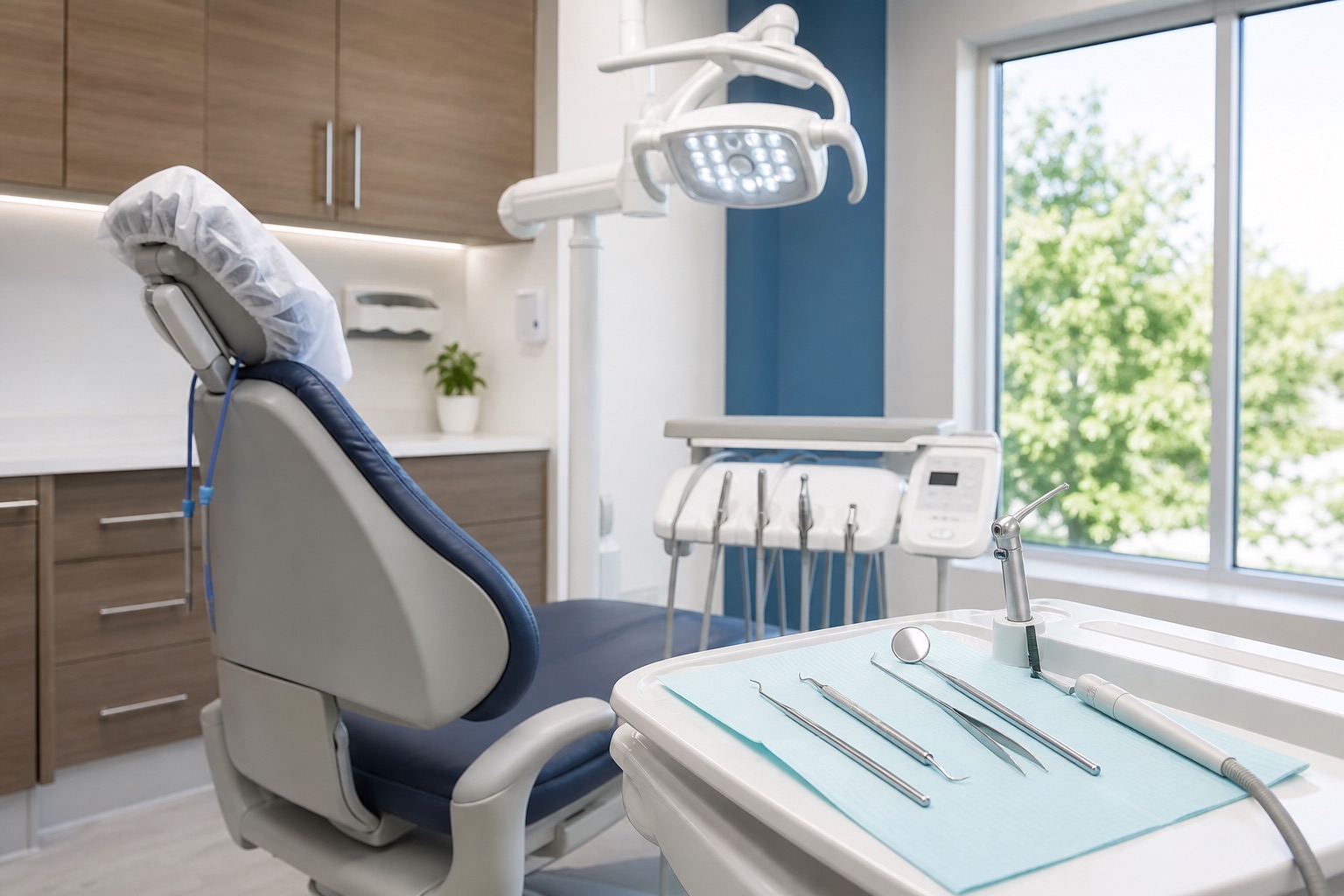
Periodontal disease is often described in stages, though the lines between them are not perfectly distinct and every patient is different. Recognizing the general progression can help you understand why early attention matters.
- Gingivitis: The earliest and most reversible stage. Gums may look red or puffy and bleed easily when brushing or flossing. At this point, the supporting bone is typically not yet affected.
- Early periodontitis: Inflammation begins to reach below the gumline. Small pockets can form between the teeth and gums where bacteria collect, and some early bone changes may appear on dental images.
- Moderate periodontitis: Pockets deepen, more support is lost, and patients sometimes notice gum recession or increased sensitivity.
- Advanced periodontitis: Significant support around the teeth may be compromised, which can lead to loosening or, in some situations, tooth loss. Care at this stage is often more involved and may include a referral to a specialist.
Because gingivitis can be subtle, many people pass through it without realizing it. That is one reason we encourage routine checkups — an early conversation is usually far simpler than treating a later stage.
Signs and Symptoms Worth Watching
Gum disease does not reliably announce itself with pain, which is part of what makes it tricky. Still, there are common signals our team encourages patients to take seriously:
- Gums that bleed during brushing or flossing
- Red, tender, or swollen gum tissue
- Persistent bad breath or an ongoing bad taste
- Gums that appear to be pulling away from the teeth
- Teeth that feel sensitive, loose, or seem to have shifted
- Changes in how your teeth fit together when you bite
Noticing one of these signs does not necessarily mean you have advanced disease, but it is a sensible reason to schedule an exam. A dentist can assess your gum health, measure pocket depths, and review your dental images to form a clearer picture of what is happening below the surface.
How We Approach Gum Disease Treatment in Pickering
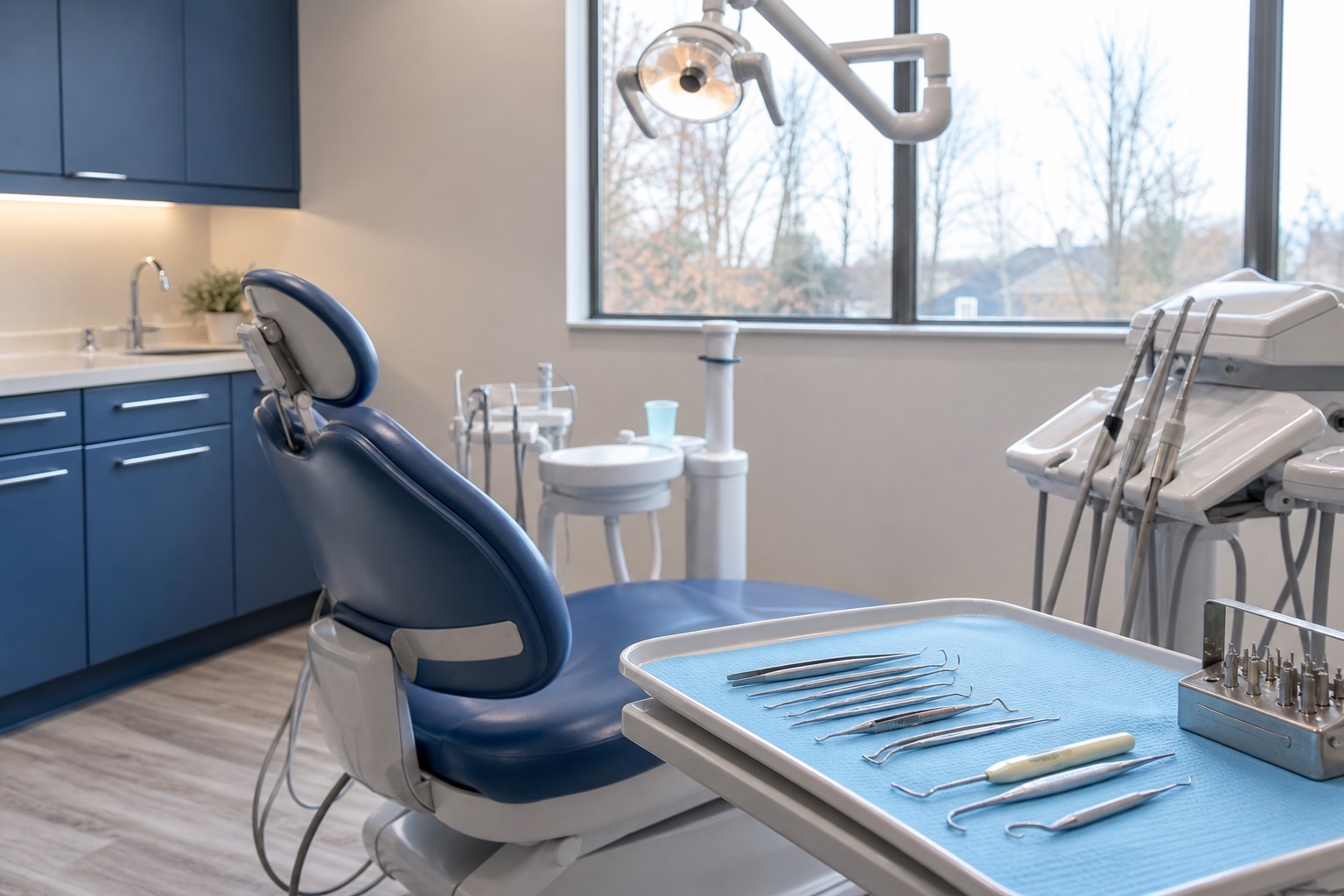
Treatment is tailored to the stage and to your individual needs, but a few core therapies come up frequently. For early gingivitis, a professional cleaning combined with improved home care is often the starting point. Keeping up with regular professional teeth cleanings in Pickering can help remove the tartar that everyday brushing cannot reach.
When the disease has progressed below the gumline, we may recommend a deeper cleaning known as scaling and root planing. Scaling removes plaque and tartar from the tooth surfaces and within the pockets, while root planing smooths the root surfaces so the gums have a better opportunity to reattach and heal. This treatment is sometimes completed over more than one visit, and local anesthetic is often used to keep patients comfortable. Many patients tolerate the process well, though everyone’s experience differs.
After active treatment, ongoing periodontal maintenance visits — often scheduled more frequently than a standard checkup — help keep bacteria in check and allow us to monitor your progress. In advanced cases where teeth have already been lost or cannot be saved, restorative options such as dental implants in Pickering may be part of a longer-term plan once the gums are stabilized. Your dentist can help you understand which path fits your situation.
Protecting Your Gums Between Visits
Professional care works best alongside a steady home routine. Brushing gently twice a day, cleaning between your teeth daily with floss or another interdental tool, and not skipping your regular dental visits all play a role in keeping gum tissue healthy. If you use tobacco, talk with your dentist or physician about support to quit, since smoking is associated with poorer gum outcomes.
We also encourage patients in Ajax, Pickering, and nearby areas to mention any changes they notice between appointments. Gums that suddenly bleed more, new sensitivity, or a tooth that feels different are all worth a quick call. Catching changes early often means simpler, more comfortable care.
Frequently Asked Questions
Is gum disease reversible?
The earliest stage, gingivitis, can often be reversed with professional cleaning and good home care. Once the disease progresses into periodontitis and affects the supporting bone, the goal usually shifts to controlling it and preventing further damage rather than fully reversing it. A dental exam is the best way to learn which stage applies to you.
Does scaling and root planing hurt?
Many patients are comfortable during scaling and root planing, especially because local anesthetic is commonly used to numb the area. Some tenderness or sensitivity afterward is normal for a short time. Your comfort is something we discuss with you before and during treatment.
How often should I have my gums checked?
For many adults, a checkup and cleaning every six months works well, but some people benefit from more frequent visits, particularly if they have a history of gum disease. Your dentist can recommend a schedule based on your individual gum health.
Can healthy habits at home really make a difference?
Consistent brushing, daily cleaning between the teeth, and routine professional cleanings can meaningfully support gum health for many people. Home care and professional care work best together rather than as substitutes for one another.
If you have noticed bleeding, tenderness, or other changes in your gums, you do not have to sort it out on your own. Our team is happy to take a careful look and walk you through your options in plain language. To arrange an exam, visit our Pickering location page to find our hours and contact details, and we will help you take a calm, informed next step toward healthier gums.