
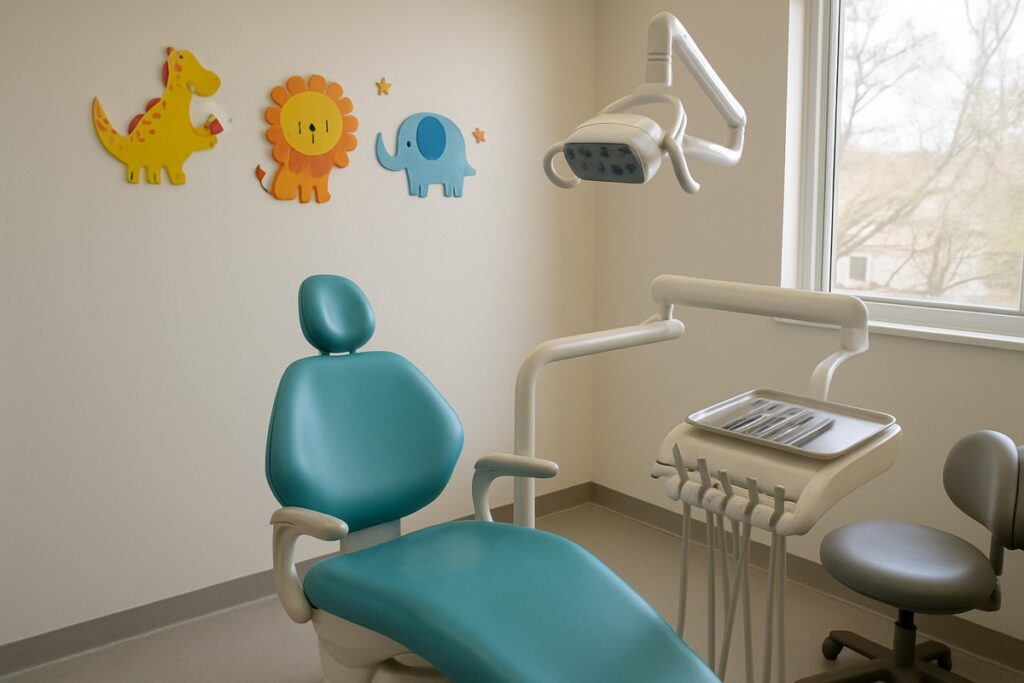
Helping a child build healthy teeth is one of the most rewarding parts of family dentistry, and prevention is at the heart of it. Among the simplest preventive tools we offer are dental sealants — thin protective coatings that shield the chewing surfaces of the back teeth. Many parents in our community ask about dental sealants for children in Pickering, and for good reason: when used at the right time, sealants can be a practical way to help guard young smiles against cavities.
At our Pickering practice, we believe parents make the best decisions when they understand their options. In this guide, our team explains what sealants are, which children tend to benefit most, what the application visit is like, and how sealants fit alongside other healthy habits. Our goal is to give families in Pickering, Scarborough, and the surrounding areas clear, reassuring information — not pressure.
What Are Dental Sealants?
A dental sealant is a thin, protective resin coating that a dentist or hygienist applies to the chewing surfaces of the back teeth, usually the molars and premolars. These surfaces are full of tiny grooves and pits that can trap food and bacteria, and they can be difficult for a child to clean thoroughly with a toothbrush. By sealing those grooves, the coating creates a smoother surface that is easier to keep clean and helps keep cavity-causing particles out.
Sealants are designed to work as part of a broader prevention plan rather than as a replacement for daily brushing and flossing. Think of them as an extra layer of help on the teeth that are most vulnerable to decay. Because the back teeth do so much of the chewing, protecting them early can support a child’s oral health during the years when cavities are especially common.
Who Benefits Most from Dental Sealants for Children in Pickering

Sealants are most often recommended for children and teenagers, particularly once their permanent molars come in. The first permanent molars typically appear around age six, with the second molars arriving in the early teens. Applying sealants soon after these teeth erupt — while the grooves are still deep and cavity-free — is a common approach, though your dentist will tailor the timing to each child.
Some children are especially good candidates, including those with deep grooves in their molars or those who have had cavities in the past. Every child is different, however, so a dental exam is the best way to decide whether sealants make sense. During a routine visit, we examine the teeth, talk with parents about the child’s habits and history, and recommend sealants only where they are likely to help. Families across Pickering and Scarborough often appreciate this individualized approach.
The Sealant Process Step by Step
One of the reasons families like sealants is that the process is quick, gentle, and does not involve drilling or numbing. Here is what a typical visit looks like:
- Cleaning: The tooth is cleaned and dried so the surface is ready.
- Preparation: A mild solution is applied to the chewing surface to help the sealant bond, then the tooth is rinsed and dried again.
- Application: The liquid sealant is painted into the grooves of the tooth, where it flows into the tiny pits.
- Setting: A special curing light is often used to harden the sealant in place within seconds.
- Check: The dentist or hygienist checks the bite and makes sure the coating is smooth and secure.
The whole appointment is usually short, and many children handle it comfortably. Pairing sealants with regular professional teeth cleanings in Pickering helps keep the protected teeth in good shape and gives us a chance to check the sealants over time.
How Long Sealants Last and How to Care for Them
Sealants can protect teeth for several years, though they do experience daily wear from chewing and may need to be checked and occasionally reapplied. At each checkup, we look at the sealants to confirm they are still intact, and we can touch them up if needed. This is one reason routine visits matter even after sealants are placed.
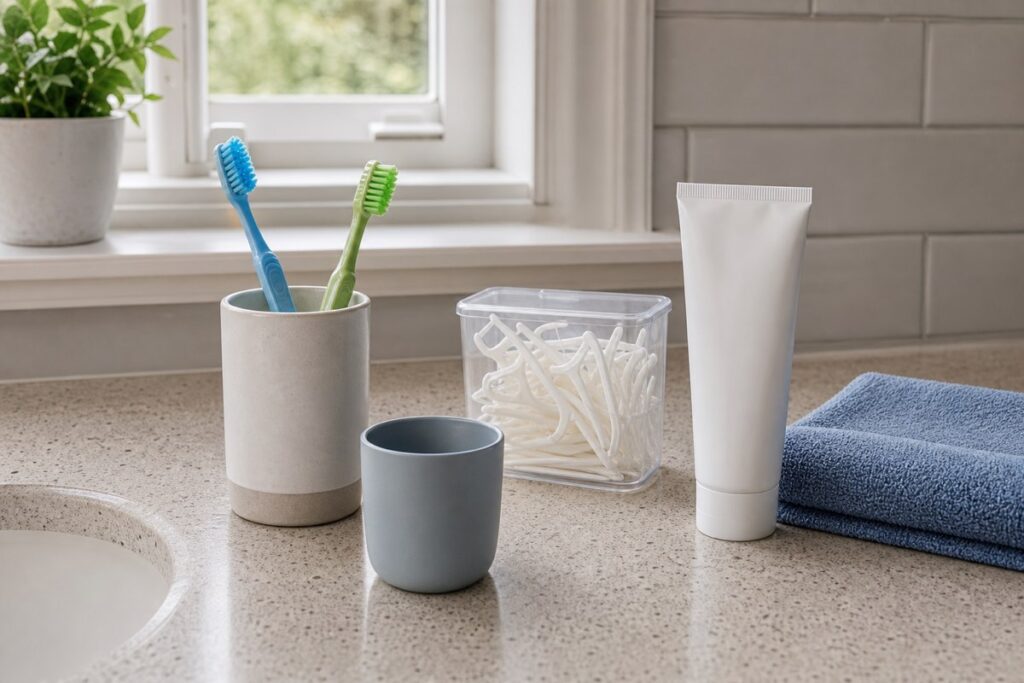
Caring for sealed teeth is straightforward: children should keep brushing twice a day, clean between their teeth, and enjoy a tooth-friendly diet. Sealants protect the grooves of the back teeth, but the smooth surfaces and the spaces between teeth still rely on good daily habits. Together, sealants and consistent care give young smiles a strong foundation.
Sealants as Part of a Prevention-First Approach
We see sealants as one piece of a broader, prevention-first philosophy for young patients. Cavities in childhood are common, but many are preventable when good habits, routine checkups, and timely protective measures come together. By emphasizing prevention early, families can often avoid more involved treatment down the road, which tends to be easier on both children and parents — in time, comfort, and cost.
During regular visits, our team does more than place and check sealants. We talk with children about brushing and flossing in a way that feels encouraging rather than intimidating, answer parents’ questions about diet, snacking, and fluoride, and keep an eye on how the permanent teeth are erupting. We also watch for early signs of trouble so that small concerns can be addressed before they have a chance to grow.
For children in Pickering, Scarborough, and the surrounding communities, these early, positive experiences can help build a comfortable relationship with dental care that carries into adulthood. When a young patient feels heard and at ease in the chair, future visits often go more smoothly for the whole family. Sealants are a small, practical step, but they fit naturally into this larger goal of helping kids grow up with strong, healthy smiles and the confidence to look after them.
Frequently Asked Questions
At what age should children get dental sealants?
Sealants are often considered once the permanent molars come in, which usually begins around age six and continues into the early teens. Some children may benefit at other times based on their individual teeth and history. Your dentist can recommend the right timing after an exam.
Does getting a sealant hurt?
The sealant process is non-invasive and does not require drilling or anesthetic, so most children find it comfortable. The tooth is simply cleaned, prepared, and coated, and the appointment is typically brief.
Do sealants replace brushing and flossing?
No. Sealants protect the grooved chewing surfaces of the back teeth, but the rest of the tooth still needs daily brushing and cleaning between the teeth. Sealants are one helpful layer within a complete home-care routine.
Are sealants only for children?
Sealants are most commonly placed on children’s and teenagers’ teeth, because the years just after the permanent molars erupt tend to be when those teeth are most vulnerable to decay. That said, adults without decay or existing fillings in their molars may sometimes be candidates too. A dentist can assess whether sealants would be useful for an older patient, taking into account the condition of the molars and the person’s history of cavities.
If you are wondering whether sealants are a good fit for your child, we are happy to take a look and answer your questions during a friendly visit. To arrange an exam or learn more about caring for your child’s smile, visit our Pickering location page for hours and contact details, or read what other families have shared on our patient reviews page. We look forward to helping your child build healthy habits that last.