
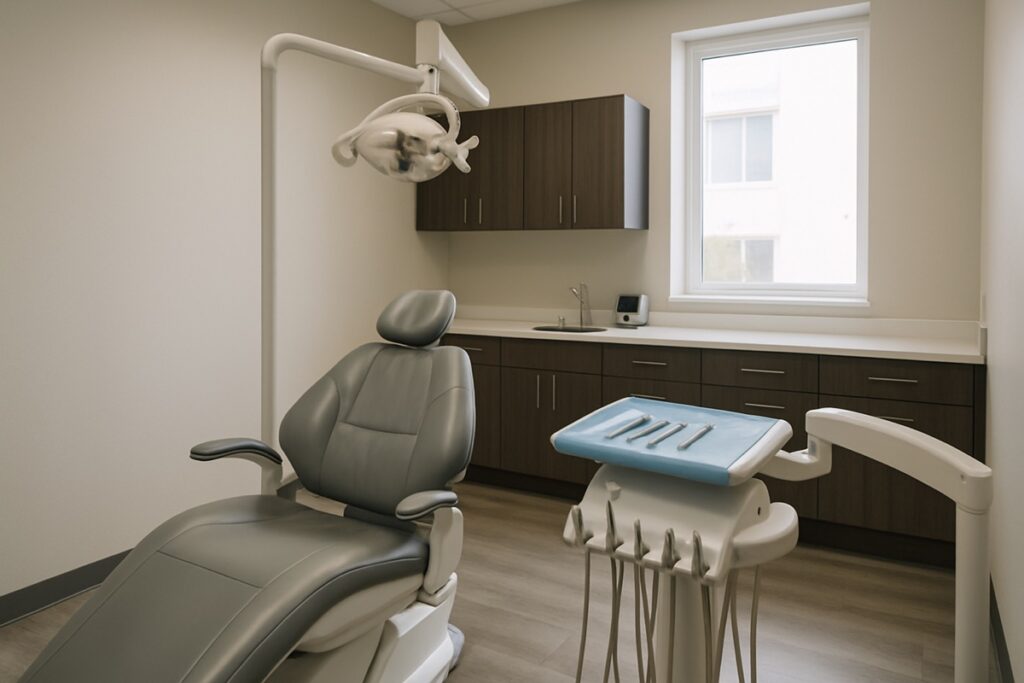
For many people, the hardest part of dental care is not the treatment itself but the worry that comes before it. If a visit to the dentist makes your heart race or has kept you from getting the care you need, please know you are far from alone. At our Pickering practice, we work with anxious patients regularly, and one of the tools we may discuss is sedation dentistry for dental anxiety in Pickering, an approach designed to help you feel calmer and more at ease during your appointment.
Sedation dentistry uses medication to help patients relax during dental procedures. It is not a one-size-fits-all solution, and the right approach depends on your health, your level of anxiety, and the treatment you need. In this article, our team explains the common types of sedation, who tends to benefit, and the safety considerations we take seriously — so you can have an informed, judgment-free conversation about what might work for you.
Understanding Dental Anxiety
Dental anxiety is very common, and it shows up differently for everyone. For some, it is mild unease in the waiting room; for others, it is a deep apprehension that makes scheduling an appointment feel overwhelming. The reasons vary widely — a difficult past experience, sensitivity to sounds or sensations, a strong gag reflex, or simply a fear of the unknown. None of these reasons are anything to be embarrassed about.
When anxiety leads people to postpone care, small concerns can sometimes grow into larger ones over time. That is part of why we take anxiety seriously and try to create a calm, supportive environment from the moment you arrive. Sedation is one of several ways we may help, alongside clear communication, gentle pacing, and simply listening to what you need. Many patients in Pickering and nearby Toronto tell us that feeling heard is half the battle.
Common Types of Sedation Dentistry
There are several levels and methods of sedation, and your dentist will help determine which, if any, is appropriate for you. The most common options include:
- Nitrous oxide: Sometimes called laughing gas, this is a mild, inhaled sedative that helps many patients feel relaxed. Its effects tend to wear off quickly, so patients can often drive themselves home afterward, though your dentist will confirm what is right for you.
- Oral sedation: This involves taking a prescribed medication, usually in pill form, before your appointment to promote a calm, drowsy feeling. Because its effects can linger, you will typically need someone to drive you to and from your visit.
- Deeper forms of sedation: Some procedures or patients may call for more advanced sedation administered under specific protocols. These approaches require careful screening and are not appropriate for everyone.
With many forms of sedation, you remain awake and able to respond, just more relaxed and comfortable. Your dentist will explain what to expect with whichever option is being considered, including how you may feel during and after the appointment.
Who Sedation Dentistry for Dental Anxiety in Pickering May Help
Sedation can be a thoughtful option for a range of patients. People with significant dental anxiety often find it helps them get through care they have been putting off. Others who may benefit include those with a strong gag reflex, difficulty getting numb, trouble sitting still for longer appointments, or sensory sensitivities that make dental visits especially challenging.
Sedation is also sometimes discussed in the context of treatments that anxious patients tend to dread. For example, procedures such as root canals in Pickering or tooth extractions in Pickering are often more comfortable than patients expect, and sedation can add an extra layer of reassurance for those who feel uneasy. Whether sedation is appropriate depends on your overall health and the specifics of your treatment, which is why an individual consultation matters so much.
Safety and What to Expect
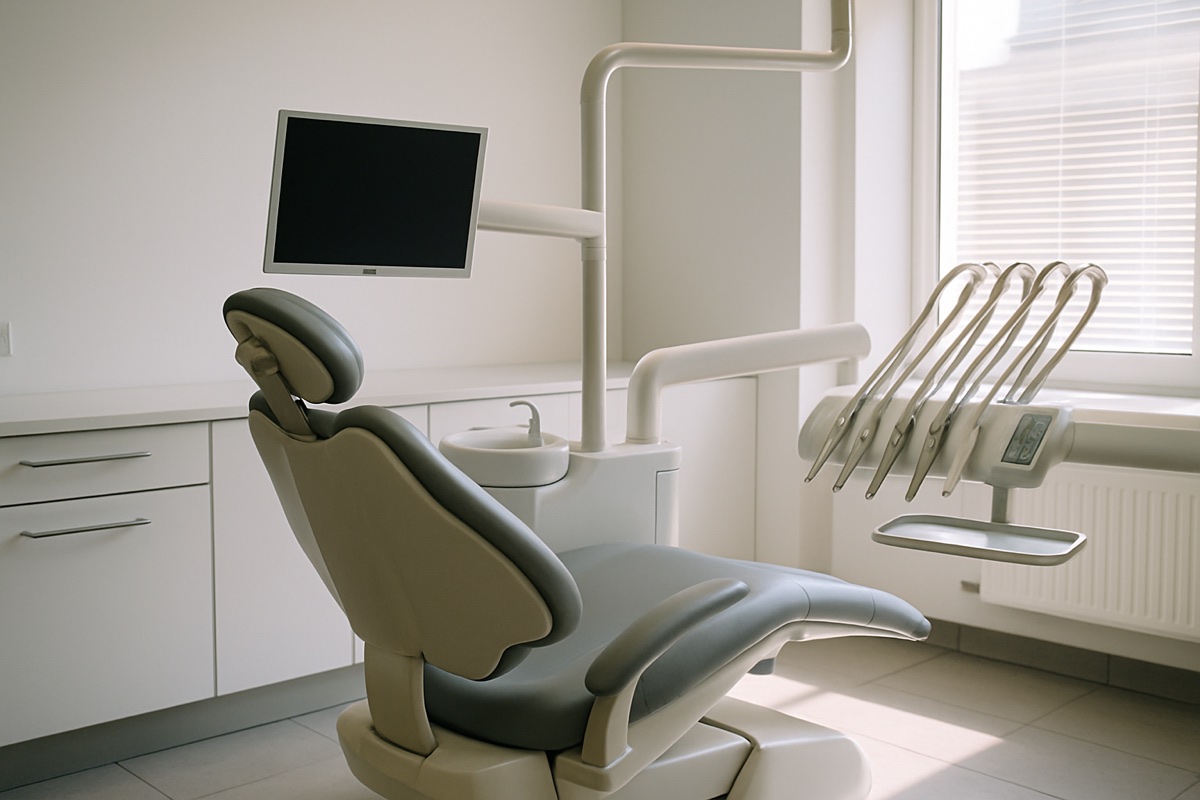
Patient safety guides every conversation about sedation. Before recommending any option, your dentist will review your medical history, current medications, and any health conditions, since these factors influence what is suitable. Some people are not good candidates for certain types of sedation, and being open about your history helps us make the safest recommendation.
During sedation, your comfort and well-being are monitored, and the level of care is matched to the type of sedation being used. Afterward, you will receive clear instructions, including whether you will need a friend or family member to accompany you home. We encourage patients to ask questions at any point — understanding the plan often helps ease worry on its own. Our aim is to make your visit feel manageable and unhurried, not rushed.
Comfort Beyond Sedation
Sedation is one helpful tool, but it is not the only way we work to make visits feel calmer. Many anxious patients are reassured by simple things: a clear explanation of each step before it happens, the ability to pause at any time with an agreed-upon signal, and a team that moves at a pace respecting how they are feeling. We encourage you to share what tends to make appointments harder for you — whether it is certain sounds, a worry about discomfort, or a difficult past experience — so we can adapt our approach to suit you.
For some patients, a brief get-to-know-you visit before any treatment helps build trust and lowers the stress of the unknown. Others find comfort in bringing headphones, scheduling at a quieter time of day, or having a friend nearby. Whether you are coming from Pickering, Scarborough, or the Danforth area of Toronto, our goal is the same: to meet you where you are and make care feel achievable. Sedation may or may not turn out to be part of your plan, and either way, you remain in control of how we move forward.
Frequently Asked Questions
Will I be unconscious during sedation dentistry?
Not usually. With common options like nitrous oxide or oral sedation, most patients stay awake and able to respond while feeling relaxed. Deeper forms of sedation are different and are reserved for specific situations under careful protocols. Your dentist will explain exactly what to expect with your chosen option.
Is sedation dentistry safe?
Sedation has a long history of use in dentistry, and your dentist takes careful steps to keep it as safe as possible, including reviewing your medical history and monitoring you during treatment. No procedure is entirely without risk, so a thorough screening helps determine whether sedation is appropriate for you.
Will I need someone to drive me home?
It depends on the type of sedation. After nitrous oxide, many patients feel ready to drive themselves, while oral and deeper sedation typically require a responsible adult to take you home. Your dental team will let you know what to plan for before your appointment.
Can sedation help if I just feel nervous, not terrified?
Yes, sedation is not only for severe fear. Even mild nervousness can make appointments harder than they need to be, and a gentle option like nitrous oxide may help some patients feel more at ease. A conversation with your dentist can help you decide what level of support fits you.
You deserve dental care that feels calm and respectful, and worry about a visit should not have to stand between you and a healthy smile. If you would like to talk through your options without any pressure, we are here to listen. Visit our Pickering location page for our hours and contact information, and let us help you take a comfortable first step at a pace that works for you.