
Maintaining excellent oral hygiene is not a once-a-year effort—it requires consistent attention in every season. Many Pickering residents don’t realize that dental cleaning routines should adapt to changing weather, holidays, and lifestyle shifts throughout the year. By aligning your oral care with each season, you can help prevent common dental issues and keep your smile looking its best.
Ivory Dental understands that the changing climate and local lifestyle in Pickering play a role in oral health. In this guide, we’ll share actionable, season-specific teeth cleaning strategies and advice for all ages. You’ll discover how to adjust your dental routine throughout the year and why regular professional cleanings are crucial for lasting results.
Spring Refresh: Rejuvenate Your Oral Care Routine
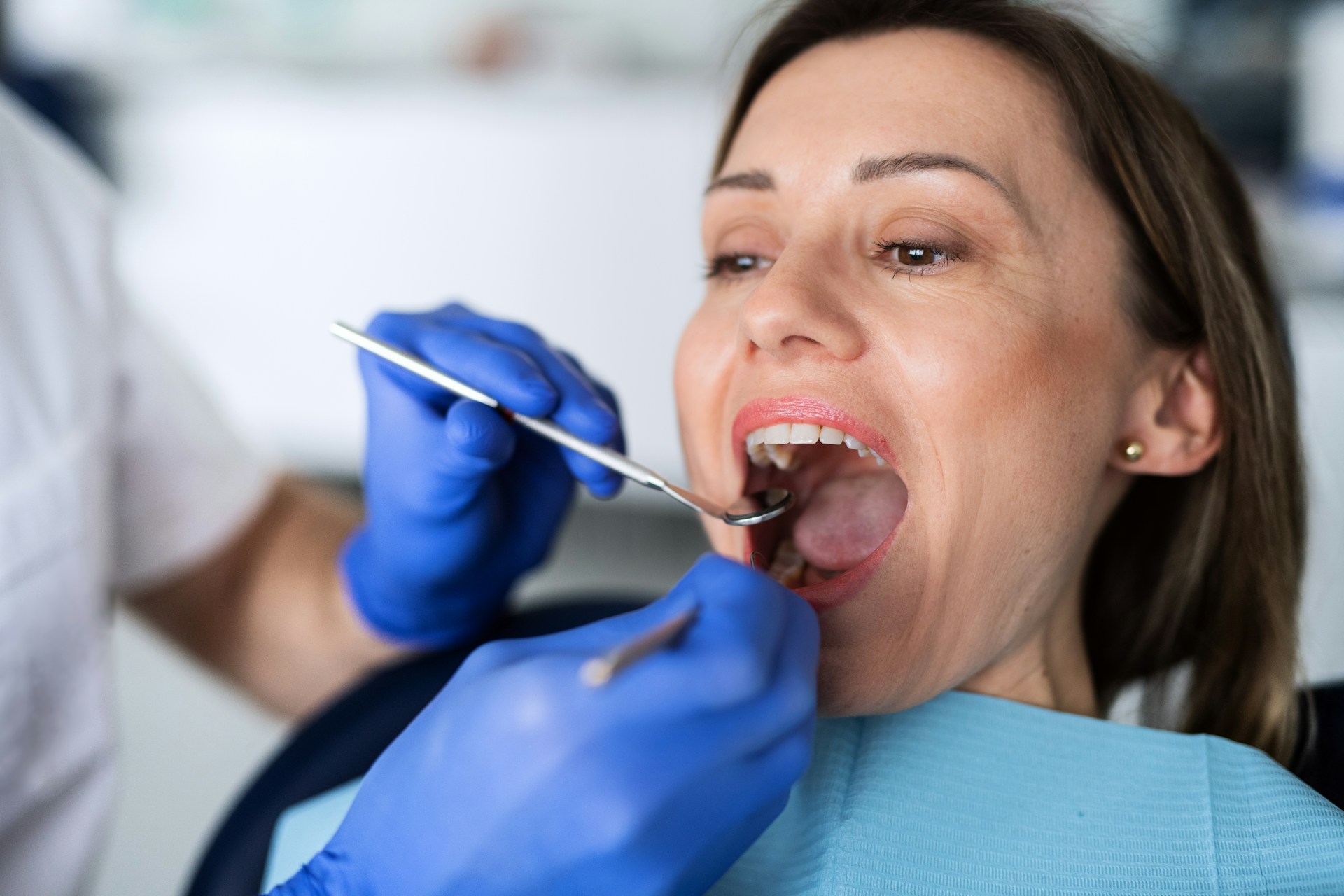
Spring can be a useful reminder to review your dental habits and the examination or cleaning schedule recommended for your oral health. If that visit is due, the dental team can remove tartar that brushing and flossing cannot. The season itself is not a reason for an extra cleaning; your dentist should set the interval according to your current needs.
Use the seasonal reset to inspect your toothbrush or electric brush head and replace it when the bristles are worn or according to the manufacturer’s directions. Allergy symptoms and mouth breathing can also leave the mouth feeling dry. Mention persistent dryness to the dental team, especially when it follows a medication change, so they can suggest care based on the cause and your cavity risk.
The team at Ivory Dental encourages patients to keep the examination and cleaning interval recommended for their current oral health while brushing twice daily with fluoride toothpaste and cleaning between teeth. If you or a family member is due, spring can be a practical time to visit our Pickering teeth cleaning team.
Summer Strategies: Protecting Teeth During Outdoor Activities
Summer brings barbecues, sports, and sweet cold treats—all enjoyable, but they can challenge your oral health if not managed carefully. Increased consumption of ice cream, soft drinks, and acidic beverages may contribute to enamel erosion and tooth decay. Whenever possible, rinse your mouth with water after enjoying these foods and try to limit snacking between meals.
Summer activities can change oral-health routines. Swimmers who notice persistent sensitivity, surface changes, or jaw discomfort should mention it at a dental visit rather than assuming chlorine is the cause. For contact or collision sports, ask a dentist which mouthguard design fits the activity and your teeth. Keep the mouthguard clean, let it dry between uses, and replace it if the fit or material changes.
Don’t forget to stay hydrated—water helps rinse away food debris and bacteria, reducing the risk of cavities and gum disease during the hotter months.
Autumn Adjustments: Preparing for Seasonal Changes
As the weather cools and routines shift back to school or work, autumn is an excellent time to reinforce healthy dental habits. Cooler air can cause sensitive teeth to react, so pay attention to any changes in comfort and discuss sensitivity with your dentist during your next visit.
Halloween and Thanksgiving often mean more sugary snacks. Keep sweets to planned occasions, maintain regular brushing with fluoride toothpaste, and clean between teeth each day. Autumn can also be a reminder to check whether a dentist-recommended visit is due; a cleaning visit removes tartar that home care cannot, but the appropriate interval depends on the patient’s oral health.
If your recommended visit is due, booking before the holiday rush may make the routine easier to keep. For more details on our teeth cleaning services, visit our dental cleaning page.
Winter Warnings: Keeping Teeth Strong Through Cold Months
Winter in Pickering often means increased consumption of warm, starchy comfort foods and hot drinks, which may lead to more frequent snacking and the risk of cavities. Sipping hot chocolate or coffee throughout the day can also stain your teeth. To minimize staining, use a straw when possible and rinse with water afterward.
Cold air can make teeth more sensitive, especially if you have receding gums or enamel wear. Consider using a toothpaste formulated for sensitivity and avoid brushing too hard. Maintaining humidity in your home can help prevent dry mouth, which is more common in the winter and can contribute to dental problems. The Mayo Clinic offers useful advice on managing dry mouth: Dry mouth causes and prevention.
Don’t let the busy holiday season keep you from your regular brushing, flossing, and dental appointments. Prioritize your oral health so you can enjoy winter festivities with confidence.
Use each season as a cue, not a rigid cleaning schedule
Seasonal routines are useful reminders, but the timing of dental cleanings shouldn’t be set by the calendar alone. The Canadian Dental Association recommends asking your dentist how often you need to be seen because the right interval can change with gum health, cavity risk, home care, medical history, orthodontic appliances, and previous dental treatment. Someone managing gum disease may need a different schedule than a patient with stable oral health.
Between visits, focus on plaque control that works in every season. Brush twice daily with fluoride toothpaste, clean between teeth each day, and pay attention to areas around crowns, bridges, implants, retainers, or aligner attachments. Plaque that isn’t removed can harden into tartar, which has to be removed at a dental visit. If gums bleed repeatedly, breath changes, a tooth becomes sensitive, or a restoration feels loose, don’t wait for the next seasonal reminder—contact the dental office for advice.
Bring changes in routine to the appointment. Summer sports, frequent travel, cold-weather dry mouth, new medications, pregnancy, or a change in diet can affect what you notice at home. A cleaning visit also gives the dental team an opportunity to examine areas you can’t see easily and tailor practical advice to your current risks. The goal isn’t to follow the same interval forever; it’s to maintain a schedule that responds to your oral health. If your home-care tools or technique have changed, bring those questions too. The team can show you how to clean around a difficult contact, appliance, or restoration and help you choose an approach you can use consistently between visits.
Frequently Asked Questions
How often should I schedule teeth cleaning appointments?
Cleaning frequency should be based on your oral health rather than a universal interval. Gum condition, past cavities, daily plaque control, medical factors, and previous dental treatment can all change the recommended schedule. Contact Ivory Dental to discuss how often you should return for examination and cleaning.
What should I do if I experience tooth sensitivity during seasonal changes?
Tooth sensitivity can worsen in cold weather or when consuming hot or cold foods. Use a sensitivity toothpaste and a soft-bristled brush. If sensitivity persists, book an evaluation with your dentist to rule out underlying issues.
Are there foods and drinks I should avoid for better dental health in each season?
Limit sugary, acidic, and sticky foods year-round, especially during holidays and summer treats. Drink plenty of water and rinse after consuming stain-causing beverages like coffee, tea, and red wine. Incorporating crunchy fruits and vegetables can naturally help clean teeth.
For tailored dental cleaning strategies and year-round oral care, trust the team at Ivory Dental. Call us at (905) 839-9663 or contact us online to book your appointment and keep your smile bright in every season.