
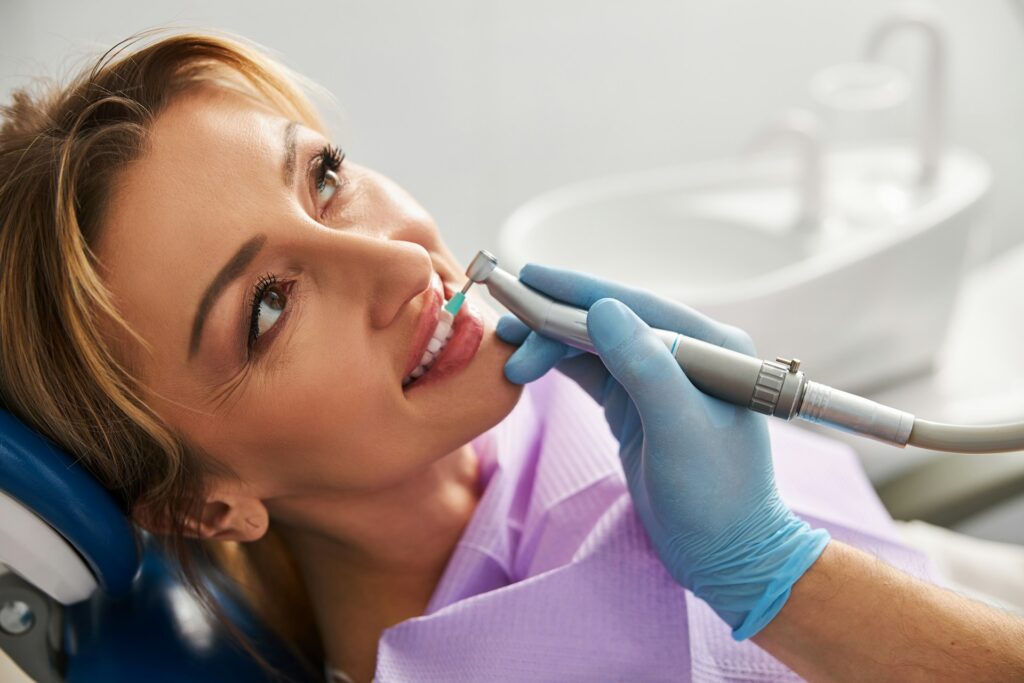
When enhancing your smile, two of the most popular cosmetic dental treatments are dental bonding and veneers. Both options address a range of aesthetic concerns, from chips and discoloration to gaps and uneven teeth. However, understanding their unique features and benefits can help you make an informed choice tailored to your needs and lifestyle.
At Ivory Dental in Pickering, we believe in empowering patients with clear, practical information about cosmetic dental solutions. This article explores the differences between dental bonding and veneers, offering a practical comparison of their processes, durability, cost, and suitability for various smile goals. If you’re considering a smile upgrade, this guide will help set your expectations and support your decision-making process.
Dental Bonding: Fast and Effective Cosmetic Improvements
Dental bonding uses tooth-coloured composite resin to repair or reshape a localized area. It may be considered for some small chips, gaps, shape differences, or discolouration. Some cases can be completed in one visit, but the tooth condition and amount of treatment determine the preparation and timing.
Bonding involves preparing the tooth surface, applying the resin, and hardening it with a curing light. The dentist shapes and polishes the material to coordinate with nearby teeth. It often requires less enamel preparation than a veneer, while the fee and future maintenance depend on the tooth and treatment plan.
While bonding provides immediate results, it’s worth noting that the material is not as resistant to stains and wear as porcelain. With proper care, bonded teeth can last several years, but they may require periodic touch-ups or replacement. For more details about this service, visit our dental bonding page.
Exploring Veneers: Enhanced Durability and Aesthetics
Veneers are thin coverings made from porcelain or composite resin and placed over the front surface of teeth. They can change visible colour, shape, size, or spacing, but they do not treat active decay or gum disease. The dentist must assess tooth structure, enamel, bite, and oral health before recommending them.
Porcelain veneer treatment generally includes reducing a small amount of enamel, recording the prepared teeth, laboratory fabrication, and final placement. Composite veneers may follow a different direct layering process. Appointment count and preparation vary with the material and treatment plan.
Porcelain generally resists staining better than composite resin, but it can still chip or need replacement. Fees reflect the material, preparation, laboratory work, and number of teeth. For an overview of other smile options, visit our cosmetic dentistry section. The Canadian Dental Association explains bonding and veneer procedures.
Comparing Cost, Longevity, and Maintenance
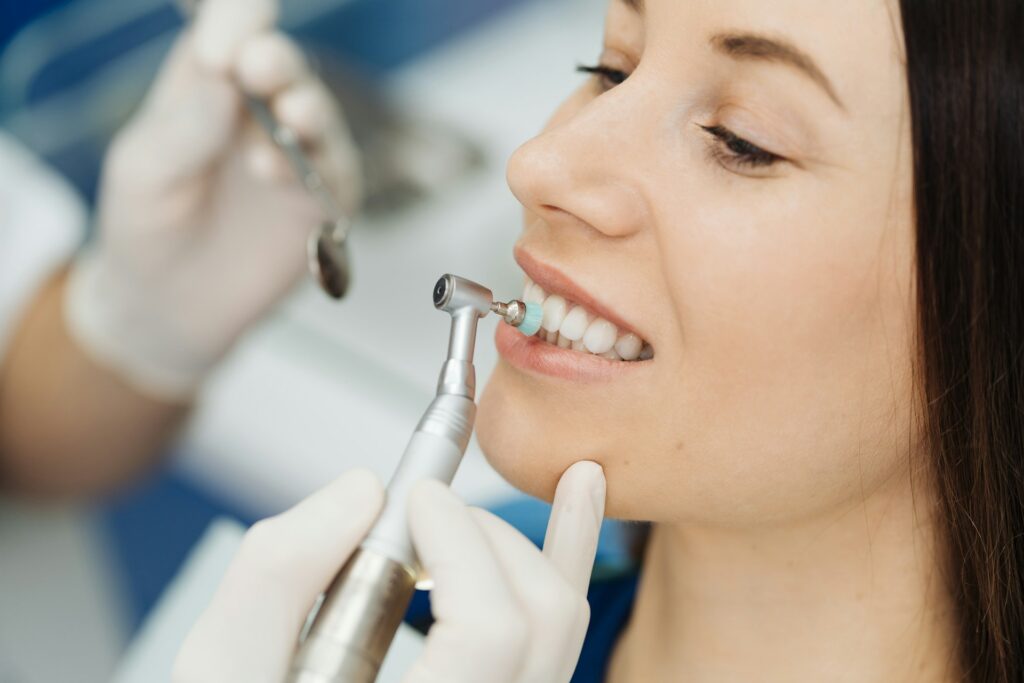
Cost and maintenance are useful comparison points, but generic price or lifespan ranges do not account for the tooth being treated. Ask for an estimate that identifies the proposed material, teeth involved, preparation, and expected follow-up. Also ask how a chip, stain, or change in fit would be managed.
Both treatments require good oral hygiene habits to maximize their lifespan. Brushing, flossing, and regular dental checkups are essential. Patients should also avoid biting on hard objects and minimize foods and drinks that can stain or damage their restorations. Regular professional cleanings at Ivory Dental help ensure your investment in your smile pays off over time.
It’s important to consult with your dentist to determine which treatment aligns best with your needs, budget, and cosmetic goals. Your unique oral health status and desired results will guide the recommendation for bonding or veneers.
Making the Right Choice: Differences Between Dental Bonding and Veneers
Understanding the preparation differences makes the comparison more useful. Bonding often treats a localized area, whereas a veneer extends across the visible front of the tooth. The appropriate choice depends on tooth condition, cosmetic goals, bite forces, enamel, and the amount of change being considered.
Your dentist will consider the extent and location of the damage, enamel, existing restorations, gum health, bite, habits, and goals. The recommendation should explain what each option can and cannot change, rather than promise maximum durability or a flawless result.
If you are unsure which treatment is right for your smile, schedule a consultation. Our team at Ivory Dental can walk you through the pros and cons of each option, ensuring you feel comfortable and clear about your path forward. For additional information, see this resource from the Canadian Dental Association.
Why an examination comes before the material choice
Bonding and veneers can both change the visible colour, shape, angle, or spacing of a tooth, but they don’t start from the same preparation. The Canadian Dental Association explains that bonding places composite on a smaller part of the tooth, while a veneer covers the front surface. Porcelain veneers generally involve removing a thin layer of enamel and are custom-made before final placement. Composite veneers can often be built directly in layers.
That distinction is important when comparing reversibility and repair. A treatment that removes enamel can’t simply return the tooth to its original condition. Bonding may be more conservative for a localized chip or small shape change, while a veneer may be considered when the desired change involves more of the visible surface. Neither option should cover untreated decay or gum disease, and too little enamel can make veneer bonding unreliable.
Your bite and oral habits also influence the recommendation. Clenching, grinding, biting fingernails, or chewing hard objects can damage either material. Ask the dentist how the proposed restoration will meet the opposing teeth, whether a protective appliance should be considered, and how repairs would be managed. A useful comparison should end with a tooth-specific treatment plan and estimate rather than a promise that one material is always the better choice.
Colour planning can affect the sequence as well. Whitening products change natural tooth colour differently from composite resin or porcelain, so mention any whitening goal before a shade is selected. If several front teeth are involved, ask how the dentist will evaluate symmetry, tooth proportions, and the transition to untreated teeth. Photographs or a trial shape may help explain the goal, but they do not replace the examination. Before deciding, make sure you understand which surfaces will be prepared, what the proposed material can realistically change, how the result will be maintained, and what alternatives remain if you choose not to proceed.
Frequently Asked Questions
How long do dental bonding and veneers typically last?
Both bonding and veneers wear over time. Their service life depends on the material, tooth preparation, bite forces, habits, placement, and home care. Porcelain is generally less prone to staining than composite, but your dentist should explain the maintenance and repair path for the treatment recommended for your teeth.
Is the placement of veneers or bonding painful?
Bonding for a minor surface repair is often completed without local anesthetic, although the underlying tooth condition matters. Porcelain veneer preparation changes enamel and may involve local anesthetic. Your dentist can explain the planned preparation and comfort options before treatment.
Which option is best for stained or discolored teeth?
Composite bonding and porcelain veneers can both change visible tooth colour, but the result depends on the cause and depth of the discolouration, tooth condition, and material opacity. The dentist may also need to rule out decay or another cause before recommending cosmetic coverage.
If you’re ready to transform your smile or have questions about which treatment is best for you, contact Ivory Dental today. Call us at (905) 839-9663 or visit our contact page to book your consultation. Our experienced team in Pickering is committed to helping you achieve the smile you deserve.