
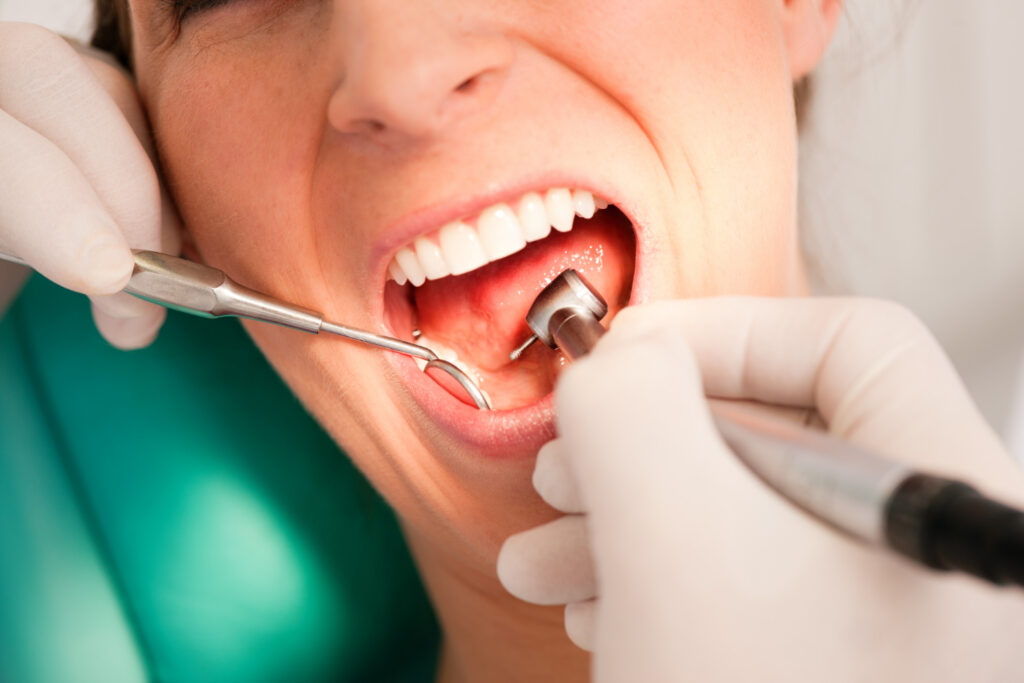
If you are considering a minimally invasive way to improve chipped, discoloured, slightly uneven, or mildly gapped teeth, dental bonding may be worth discussing with a dentist. For many Pickering patients, bonding offers a conservative cosmetic option because it usually preserves more natural tooth structure than veneers or crowns.
Dental bonding is not the right answer for every smile concern, so the first step is a professional assessment. Ivory Dental can review the tooth, bite, enamel condition, colour goals, and long-term expectations before recommending the most appropriate treatment.
What Dental Bonding Can Improve
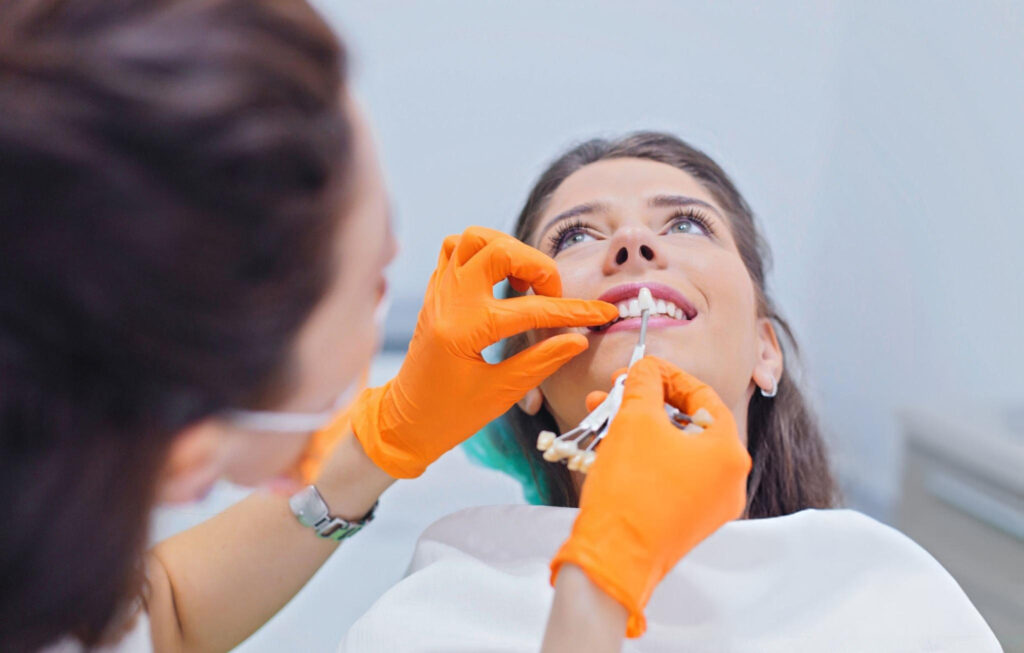
Dental bonding uses tooth-coloured resin that is applied, shaped, hardened, and polished on the tooth surface. It is commonly used for small chips, minor cracks, slight gaps, uneven edges, and localized staining. The material is selected to blend with nearby teeth, then shaped so the result looks natural when you smile and speak.
Bonding is often best for minor cosmetic corrections. Larger fractures, heavy bite pressure, significant misalignment, or major colour changes may require another option. Patients comparing cosmetic choices can review Ivory Dental’s dental bonding services in Pickering and broader cosmetic dentistry options.
What Happens During The Procedure
A dental bonding appointment usually begins with shade selection and gentle preparation of the tooth surface. The dentist applies a conditioning liquid, places the resin, sculpts the shape, and uses a curing light to harden the material. The final step is polishing so the bonding feels smooth and blends with the surrounding teeth.
The American Dental Association’s overview of bonding describes the treatment as a common option for repairing or improving the appearance of teeth. Your own dentist should still confirm whether it fits your oral health and cosmetic goals.
How Bonding Compares With Other Options

Bonding is generally more conservative than veneers or crowns because it usually requires less alteration of the tooth. It can also be completed quickly in many cases. Veneers and crowns may be more durable for certain situations, but they involve different preparation, cost, and long-term planning.
The right choice depends on the size of the concern, the bite, the tooth’s strength, and how long the patient wants the result to last. A consultation helps set realistic expectations before treatment begins.
When Bonding May Not Be Enough
Dental bonding has limits. If a tooth has a large fracture, significant decay, heavy wear, or a bite pattern that places strong pressure on the bonded area, another treatment may be more predictable. Patients who want a major colour change across many teeth may also need to compare whitening, veneers, crowns, orthodontics, or a combination of treatments.
This is why the consultation matters. The dentist can check the tooth structure, gum health, bite, and shade goals before recommending a plan. A conservative treatment is valuable only when it is likely to hold up for the patient’s daily habits and oral health.
How To Prepare For A Bonding Consultation
Before the visit, think about the specific change you want to make and bring up any habits that could affect the result, such as nail biting, grinding, clenching, chewing ice, or frequent coffee and tea. If the concern is related to a chip or rough edge, note when it happened and whether the tooth is sensitive. Clear expectations help the dentist explain what bonding can realistically improve and what maintenance may be needed afterward.
Caring For Dental Bonding
Bonded teeth should be brushed, flossed, and professionally cleaned like natural teeth. Patients should avoid chewing ice, biting hard objects, or using teeth as tools because those habits can chip the resin. Coffee, tea, wine, and tobacco may also affect appearance over time.
If a bonded edge feels rough or a chip appears, contact the dental office so it can be evaluated. Routine visits and professional cleanings, including teeth cleaning services in Pickering, can help maintain both the bonding and the surrounding teeth.
What the dentist evaluates before recommending bonding
Bonding is a surface repair, so the examination needs to confirm that the tooth can support it. The dentist will look at the size and location of the chip or gap, remaining enamel, existing decay or fillings, gum health, and bite forces. A small edge repair faces different stress than a large restoration on a tooth used heavily for chewing. If the tooth is painful, badly cracked, or missing substantial structure, the diagnosis may point to a filling, veneer, crown, orthodontic treatment, or another restorative approach instead.
Colour planning matters too. Composite resin can be selected to blend with nearby teeth, but it doesn’t lighten with whitening products after placement. If whitening is part of the overall goal, discuss the order of treatment before the dentist selects the resin shade. Photographs and a clear description of what looks uneven can help the conversation, but the final plan should come from the clinical examination rather than an online image.
The Canadian Dental Association describes bonding as layered tooth-coloured composite that is shaped, hardened with light, and polished. That conservative process can suit minor repairs, but it still needs routine review. Composite can wear, stain, feel rough, or chip over time. Tell the office if the bite feels different or an edge catches floss so the bonded area can be checked before the problem becomes larger.
Before leaving the consultation, ask what the proposed treatment is intended to change, what it cannot correct, how the bite will be checked, and what would trigger repair or replacement. You should also receive an estimate based on the actual tooth and treatment plan. Those details are more useful than a generic lifespan or price range because they connect the recommendation to your mouth.
Bring a current list of dental concerns and mention any sensitivity, recent injury, jaw discomfort, or changes in how the teeth meet. If you’ve had whitening, orthodontic treatment, or previous bonding, tell the dentist when it was completed and what has changed since then. This history helps distinguish a cosmetic request from a symptom that needs diagnosis. It also gives you a clearer basis for comparing the proposed treatment, expected maintenance, and alternatives before deciding. Ask for the recommendation in plain language, including which tooth surfaces are involved and why the suggested material fits them. You should understand the purpose of each step before consenting to treatment.
Frequently Asked Questions
How long does dental bonding last?
Longevity varies by patient, bite, oral habits, and the size of the bonded area. Regular dental visits and avoiding hard biting habits can help protect the result.
Is dental bonding painful?
Most bonding for small cosmetic changes involves little discomfort. If bonding is part of treating decay or a deeper tooth issue, your dentist will explain what to expect before treatment.
Can bonding close a small gap?
Bonding can close some small gaps, but spacing, bite, and tooth shape all matter. A dentist can confirm whether bonding or another option is more appropriate.
Ask Ivory Dental About Dental Bonding
If you want to know whether dental bonding fits your goals, call Ivory Dental at (905) 839-9663 or use the contact page to schedule a consultation. The team can review your smile concerns and help you choose a treatment plan that is appropriate for your teeth.