

Dental bonding may offer people in Pickering a conservative way to change the shape or colour of a localized area. Some minor chips, gaps, and surface differences can be treated in one visit, while other concerns need a different plan. Knowing what the examination and appointment involve helps you ask useful questions before deciding.
At Ivory Dental, we recognize that transparency and preparation are key to patient satisfaction. This guide explains what happens before, during, and after a dental bonding appointment in Pickering. Whether you’re considering a small cosmetic fix or a larger smile enhancement, understanding the process can help ease any apprehension and allow you to make informed decisions about your oral care.
Understanding the Dental Bonding Process
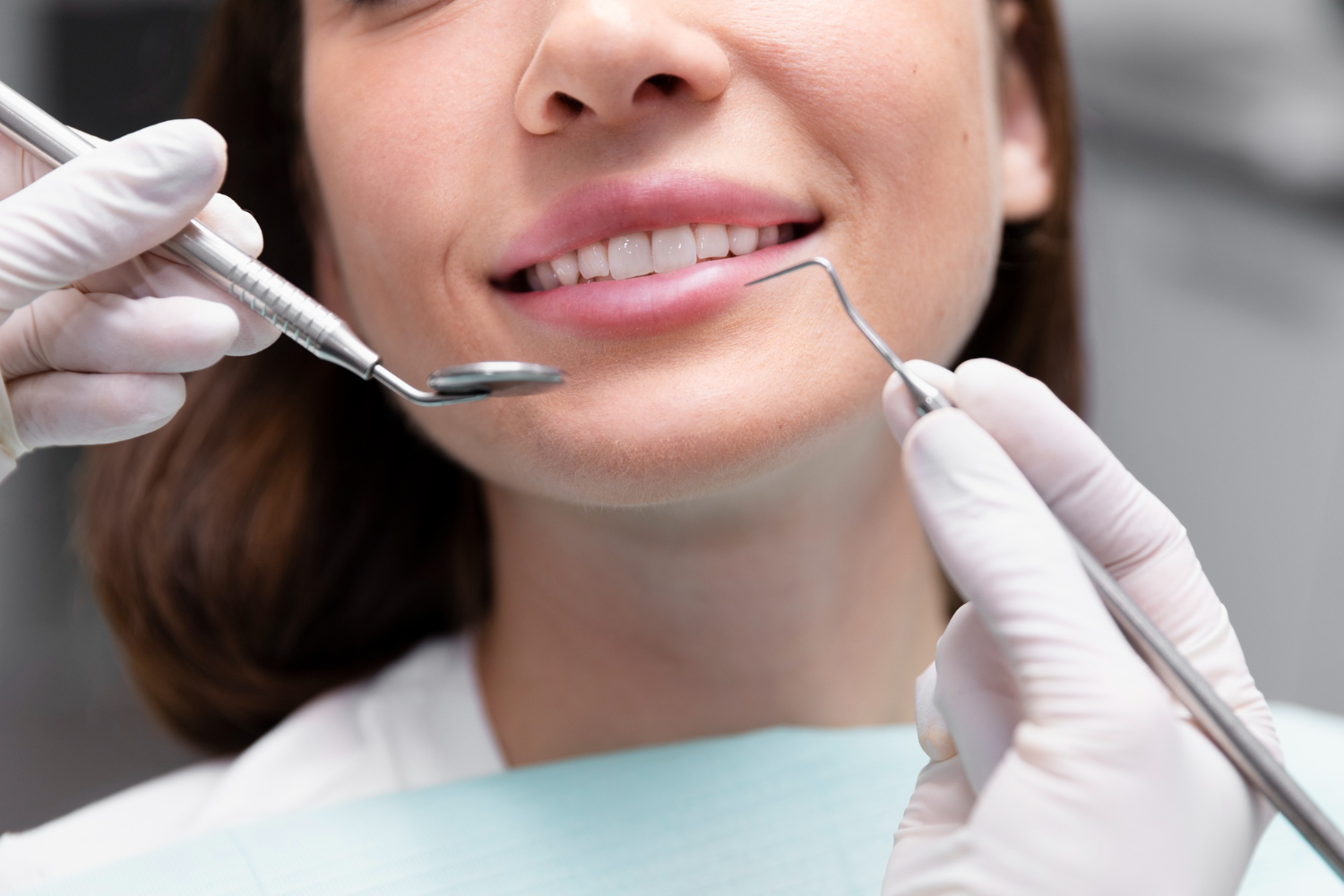
Dental bonding is a technique where a tooth-colored resin is carefully applied and shaped to your existing teeth. This material is then hardened using a special curing light, allowing it to blend seamlessly with your natural enamel. The process is designed to be efficient and comfortable, and most appointments last between 30 minutes to an hour per tooth.
Dental bonding often requires limited preparation, although local anesthetic may be appropriate when decay, sensitivity, or other treatment is involved. Your dentist at Ivory Dental selects a resin shade, prepares the surface, applies the material, and uses a curing light to set it before shaping and polishing. Ask for aftercare instructions that reflect the tooth and work completed.
Dental Bonding Appointment Pickering: Step-by-Step Experience
When you arrive for your dental bonding appointment in Pickering, your visit will begin with a brief consultation. The dentist will assess your teeth, discuss your goals, and confirm that bonding is appropriate for your needs. This is also an opportunity to ask questions and express any concerns. Learn more about our dental bonding services in Pickering here.
After selecting the resin shade, your dentist prepares the tooth, applies and shapes the material, hardens it with a curing light, and polishes the surface. The colour match and appearance depend on the starting tooth, repair size, and treatment plan. The Canadian Dental Association describes the preparation and placement steps for bonding and veneers.
Aftercare and Longevity of Dental Bonding

Bonding can wear, chip, or change colour over time. Avoid biting hard objects, chewing on pens, or using bonded teeth as tools. Follow the dentist’s case-specific instructions about food, drinks, cleaning, and when to resume normal use of the tooth after the appointment.
Routine oral hygiene—brushing, cleaning between teeth, and attending visits on the schedule recommended for your oral health—helps the team monitor the bonded tooth and surrounding tissues. Contact the office if an edge feels sharp, the bite changes, floss catches, or the material changes colour. Learn more about our cosmetic options at our cosmetic dentistry page.
Local Considerations: Choosing Dental Bonding in Pickering
Opting for dental bonding in Pickering offers several advantages, including convenient access to experienced professionals and personalized care. Ivory Dental is centrally located at 1300 Kingston Road Unit #3, easily accessible to residents throughout the area. Patients benefit from our commitment to comfort, transparency, and tailored treatment plans.
When considering dental bonding or any cosmetic procedure, it’s important to select a dental clinic with a reputation for quality and patient-focused care. Look for reviews, ask about the dentist’s experience with cosmetic procedures, and confirm that your consultation includes a thorough assessment of your oral health. For a broader perspective on cosmetic dentistry, visit the Canadian Dental Association’s resource on cosmetic dentistry.
Planning the appointment around the tooth
Before resin is selected, the dentist needs to confirm why the tooth looks or feels different. A chip caused by an accident, a worn edge caused by grinding, and a dark area caused by decay may look similar in a photograph but require different care. The assessment may include the tooth surface, existing fillings, gum health, sensitivity, bite contacts, and the amount of enamel available for bonding. If another problem is present, treating it first helps avoid placing cosmetic material over an unresolved condition.
Shade selection is easier when your goals are discussed before treatment. Composite resin doesn’t respond to whitening in the same way natural enamel does. If you’re considering whitening, tell the dentist before the bonding colour is chosen. The dentist can then explain the appropriate sequence and what level of colour match is realistic for the tooth being repaired.
The Canadian Dental Association describes bonding as a layered process: tooth-coloured composite is placed, hardened with light, shaped, and polished. After placement, the dentist checks the contour and bite. Speak up if the bonded area feels high, rough, or catches when you floss. Small adjustments are easier to address when the office knows about them.
Before you leave, ask what normal wear may look like and when to call. Bonding can be polished, touched up, repaired, or replaced as it wears. Avoid using the repaired tooth to bite hard objects or open packaging, and continue brushing, flossing, and professional care. Those habits protect both the composite and the natural tooth around it.
If several teeth are being considered, ask whether the work should be completed together or in stages. A staged plan can make it easier to confirm colour, contour, and bite before moving to the next area, while a coordinated plan may be useful when neighbouring teeth need to match. The right sequence depends on the examination and goals. Make sure the estimate identifies which teeth are included and whether follow-up adjustments are part of the proposed care. Keep a copy of that plan so you can compare the completed work with what was discussed and know whom to contact if a bonded edge feels different afterward.
If the bonding follows an injury, note when the damage happened and whether the tooth has become darker, more sensitive, or painful when biting. Those changes can affect the assessment and may call for tests before cosmetic material is placed. Also tell the dentist about a history of jaw pain, grinding, or previous repairs on the same tooth. The purpose is to match the restoration to the cause of the damage, not simply cover the visible edge.
Frequently Asked Questions
How long does dental bonding last?
Bonding wears over time and may need polishing, touch-ups, repair, or replacement. The timing depends on the size and location of the bonded area, bite forces, oral habits, and home care. Regular dental checkups help identify wear, roughness, staining, or a change in the bite.
Is dental bonding painful?
Comfort needs vary with the tooth condition and the treatment being completed. A minor surface repair may not require local anesthetic, while decay, sensitivity, or deeper preparation can change the plan. Ask the dentist what you are likely to feel and which comfort options are available.
Can bonded teeth be whitened?
The resin used in dental bonding does not respond to traditional whitening treatments. If you are considering whitening your teeth, discuss this with your dentist before your bonding appointment so the resin can be matched to your preferred shade.
For more information about dental bonding or to schedule your appointment, contact Ivory Dental at (905) 839-9663 or visit our contact page. Our team is ready to help you achieve your smile goals in Pickering.