
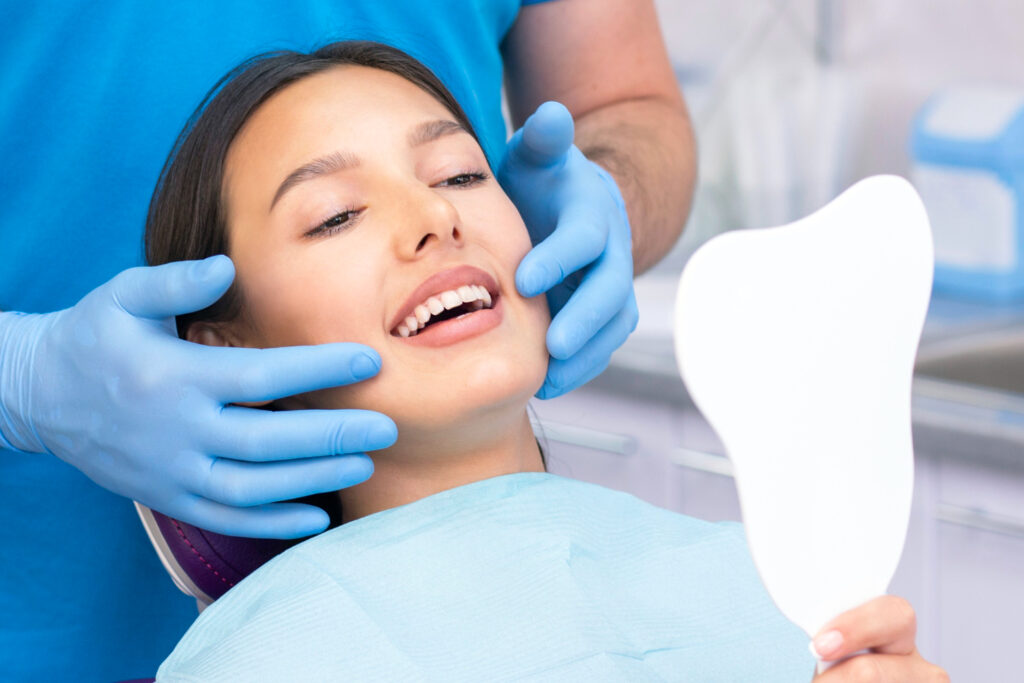
Minor chips and cracks can affect appearance, feel sharp, or change the way a tooth contacts its neighbour. For patients considering dental bonding for chipped teeth in Pickering, the first step is to determine how deep the damage extends and why it occurred. Bonding may be one treatment option after that assessment.
If you’ve noticed a chipped tooth or a possible crack, arrange an assessment rather than assuming it is only cosmetic. The dentist can check symptoms, remaining tooth structure, decay, and bite forces before deciding whether bonding, another restoration, or monitoring is appropriate.
What Is Dental Bonding and Who Should Consider It?

Dental bonding uses tooth-coloured composite resin that is applied, shaped, hardened with a curing light, and polished. It can be considered for some chips, gaps, shape differences, or discolouration. How closely it blends with nearby teeth depends on the starting colour, repair size, and treatment plan.
Bonding often requires less tooth preparation than a veneer or crown and some minor repairs can be completed in one visit. Preparation and timing depend on the tooth, the size of the damaged area, and whether decay or structural injury is present. A cracked or weakened tooth may need a different restoration.
Benefits of Dental Bonding for Chipped Teeth in Pickering
One of the main advantages of dental bonding for chipped teeth in Pickering is its minimally invasive nature. The process preserves your original tooth while restoring its shape and appearance. This is particularly valuable for those who want to avoid complex dental work or multiple appointments.
A chipped tooth can affect how someone feels about their smile, but the appropriate repair depends on the tooth. Bonding may change the appearance of a localized chip after the dentist confirms the depth of damage, bite forces, and treatment plan. Appointment length varies with the number of teeth and the work involved. For more details, visit our Dental Bonding in Pickering page.
When bonding is appropriate, shaping the missing area can make the tooth easier to clean and restore its contour. It does not replace diagnosis or treatment for decay, a deep crack, or another structural problem. For more information on cosmetic options, see our Cosmetic Dentistry in Pickering services.
For a broader overview of cosmetic dental procedures, the American Dental Association provides an excellent resource.
What to Expect During the Dental Bonding Process

The dental bonding process starts with confirming the plan and selecting a resin shade for the tooth. The dentist prepares the surface, applies the material, and shapes it before hardening and polishing. The preparation and comfort approach varies with the condition being treated and whether other care, such as decay removal, is involved.
Once the material is shaped, a curing light hardens it in place. The dentist then trims and polishes the restoration and checks the contour and bite. A minor surface repair may not require local anesthetic, while decay, sensitivity, or deeper preparation can change the comfort plan.
The duration of the visit and need for comfort measures vary with the repair. Ask whether local anesthetic is expected and what aftercare applies before returning to eating, sports, or other activities. To learn more about the range of dental services available, visit our homepage.
Longevity and Maintenance of Bonded Teeth
Dental bonding is durable and can last several years with proper care. However, it is important to note that the composite resin isn’t as strong as natural tooth enamel and may be more susceptible to staining or chipping over time. Good oral hygiene habits and regular dental checkups will help extend the life of your bonded teeth.
Avoid biting hard objects such as ice or pens with a bonded tooth, and follow the dentist’s cleaning and dietary instructions. If you grind or clench, mention it during the examination so the dentist can assess the cause and decide whether an appliance could reduce damaging forces or a different treatment is appropriate.
For ongoing oral health guidance, the Canadian Dental Association offers helpful advice on caring for bonded teeth and other cosmetic dental procedures.
Function matters as much as appearance
A chipped front tooth can feel sharp, catch the lip or tongue, or change how the teeth meet. Bonding can rebuild some minor missing edges, but the dentist first needs to determine why the damage happened. An accident, decay, an uneven bite, and night-time grinding create different risks. If the underlying cause isn’t addressed, a new repair may be exposed to the same force that damaged the tooth.
The amount of healthy tooth remaining guides the treatment choice. Composite bonding may suit a localized chip or shape change. A tooth with a deep crack, extensive decay, a large missing area, or symptoms involving the nerve may need a different restorative plan. Veneers and crowns also cover different amounts of tooth structure, so they shouldn’t be treated as interchangeable upgrades. The examination establishes which options are appropriate.
According to the Canadian Dental Association, bonding uses tooth-coloured composite placed in layers, hardened with light, then shaped and polished. The material can wear down and may need polishing or additional composite over time. Contact the office if an edge becomes rough, the bite changes, floss starts catching, or another piece chips.
At home, clean the bonded tooth like the rest of your teeth and avoid using it as a tool. If you clench or grind, mention it during the consultation so the dentist can assess whether a protective appliance or another treatment should be considered. A stable result depends on matching the repair to the tooth, the bite, and the habits affecting it.
A useful consultation should also explain what happens if the repair doesn’t hold. Ask whether a small chip can be polished or repaired, when full replacement would be considered, and which symptoms require prompt assessment. Take note of sensitivity that increases, pain when biting, swelling, or a visible crack extending into the tooth. Those signs aren’t cosmetic maintenance questions and should be evaluated rather than covered with more resin. If the repair follows an injury, tell the dentist when it happened and whether the tooth has changed colour or become more sensitive since then. That timeline can affect the assessment.
Photographs can help you show what has changed, but avoid testing a cracked edge with hard food or using the tooth as a tool. Until it is assessed, note which temperatures, foods, or biting movements trigger symptoms. That information gives the dentist a clearer starting point for the examination and treatment discussion.
Frequently Asked Questions
How long does dental bonding typically last?
Bonding wears over time and may need polishing, repair, or replacement. How quickly that happens depends on the size and location of the repair, bite forces, oral habits, and home care. Regular visits let the dentist check the bonded edge and the natural tooth around it.
Is dental bonding suitable for all types of chips and cracks?
Bonding may be considered for some minor chips, localized shape changes, or small gaps. Deep cracks, significant decay, or substantial missing tooth structure may call for a different restorative approach. The dentist should diagnose the tooth before comparing bonding, a veneer, a crown, or another option.
Will the bonding material stain over time?
The composite resin used in bonding can develop stains, particularly if you frequently consume staining substances like coffee, tea, or tobacco. Maintaining good oral hygiene and regular professional cleanings can help keep bonded teeth looking their best.
Ready to restore your smile and regain confidence? Contact Ivory Dental today at (905) 839-9663 or book your appointment online. Our team in Pickering is dedicated to delivering personalized cosmetic solutions for every patient.