
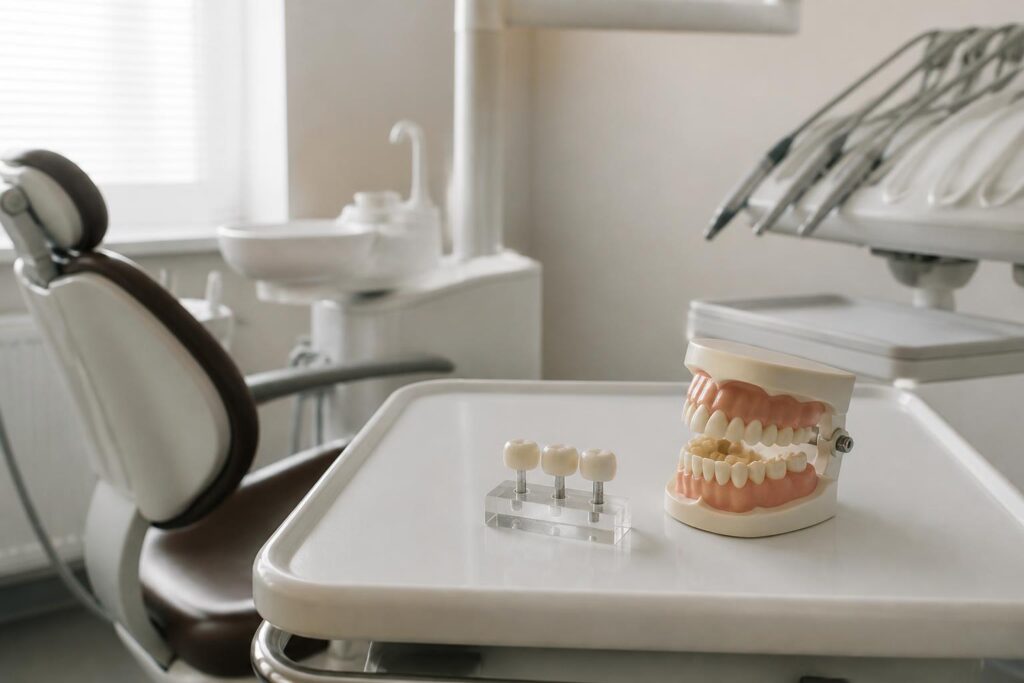
A missing tooth rarely stays a cosmetic issue for long. Neighbouring teeth can gradually shift toward the gap, your bite can change, and chewing on that side of your mouth may become less comfortable. A dental bridge is one of the established ways to replace a missing tooth, using the support of the teeth (or an implant) on either side of the gap to hold a replacement tooth in place.
If you are exploring your options after losing a tooth, here is what a dental bridge generally involves, how it compares with other replacement choices, and what it takes to keep one in good condition.
What a Dental Bridge Does
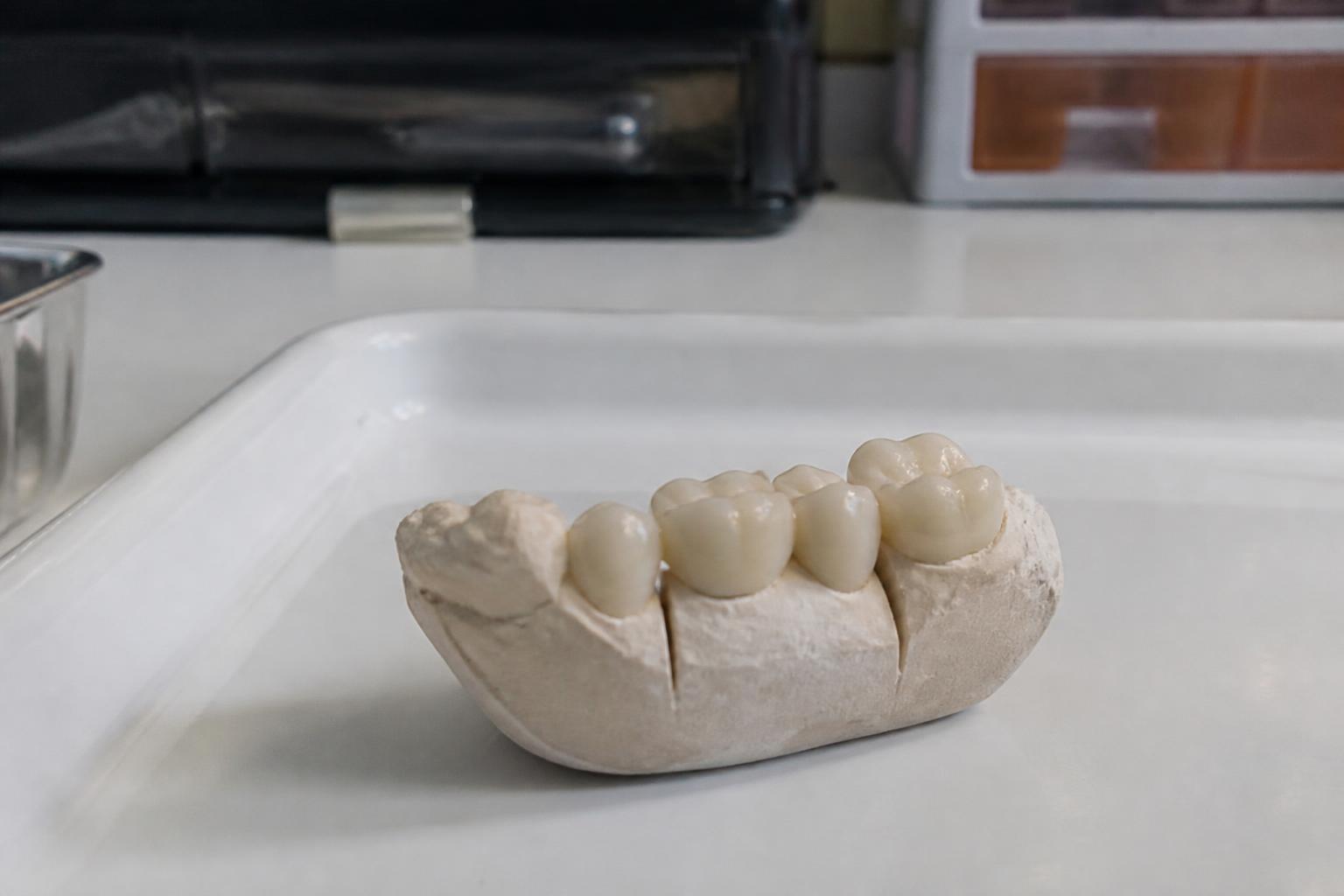
A dental bridge fills the space left by a missing tooth with a fixed, non-removable restoration. A traditional bridge typically consists of one or more artificial teeth, called pontics, held in place by crowns fitted over the teeth on either side of the gap. Once cemented, the bridge functions similarly to your natural teeth for chewing and speaking, and it is not something you take in and out for cleaning the way you would a removable partial denture.
Types of Bridges
There are a few different bridge designs, and which one applies to your situation depends on the condition of the surrounding teeth and the location of the gap:
- Traditional fixed bridge. Crowns are placed on the natural teeth on both sides of the gap to support the pontic in between. This is the most common bridge design.
- Cantilever bridge. Used when there is only a supporting tooth on one side of the gap rather than both.
- Implant-supported bridge. Instead of relying on natural teeth, the bridge is anchored to one or more dental implants, which can be a consideration when nearby teeth are not suitable to be crowned or when multiple teeth in a row are missing.
Your dentist will examine the site, review dental X-rays, and discuss which design suits your bite, the health of nearby teeth, and your long-term goals before recommending a specific approach.
What the Bridge Appointments Generally Involve
For a traditional fixed bridge, the supporting teeth are typically prepared and reduced slightly so crowns can fit over them, and a digital scan or impression is taken to design the bridge. A temporary bridge may be placed while the final restoration is made. At a follow-up visit, the finished bridge is checked for fit, bite, and appearance before it is cemented into place. If your bridge will be implant-supported, the process instead follows the implant placement and healing timeline before the bridge itself is attached, similar in principle to how a single implant crown is completed.
Caring for a Dental Bridge
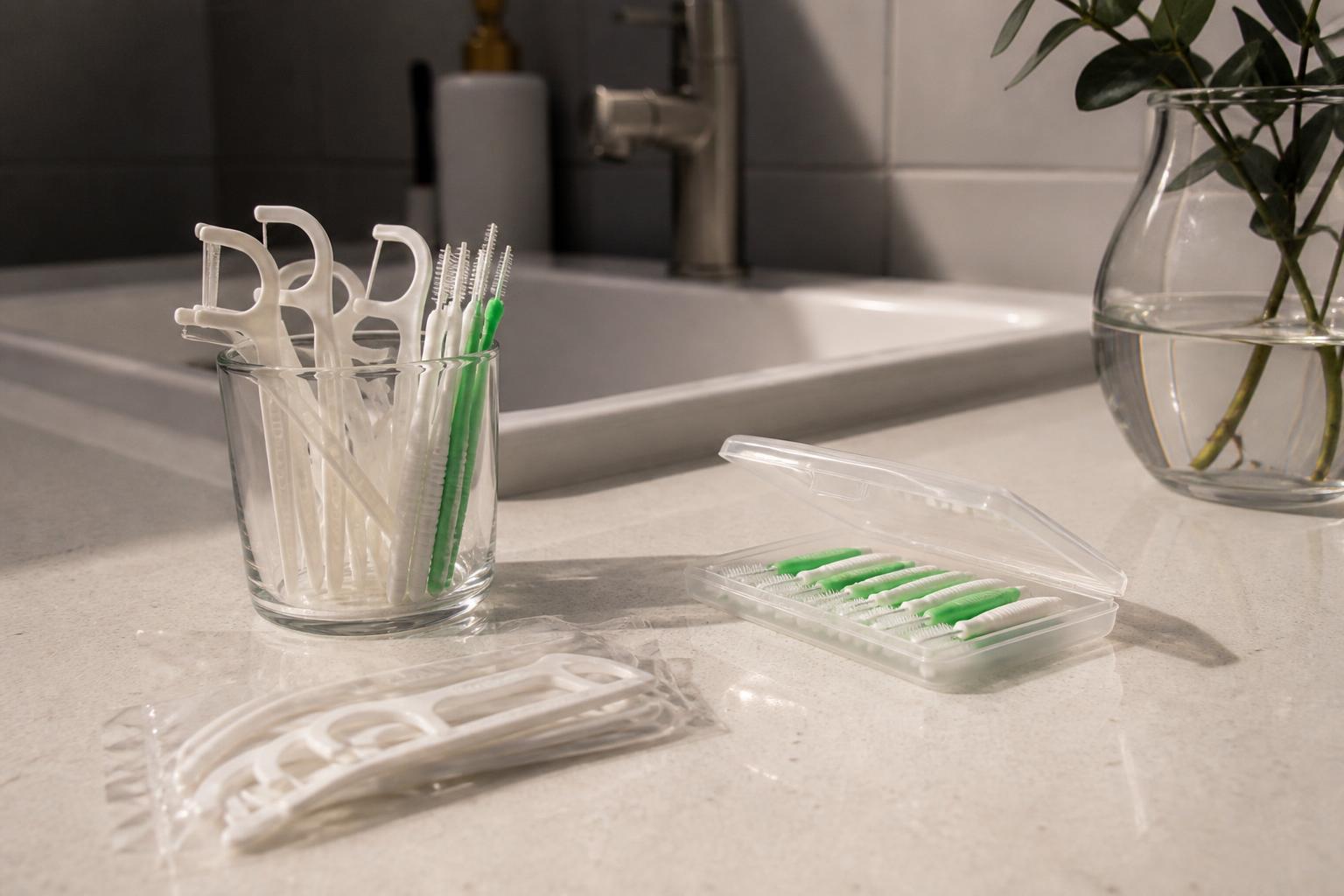
A dental bridge is meant to function like your natural teeth, which means it still needs consistent daily care. Brush the bridge and the surrounding gumline twice daily, and pay particular attention to the area underneath the pontic, where plaque can collect if it is not cleaned regularly. Floss threaders, a water flosser, or interdental brushes are often recommended for reaching under a bridge more effectively than standard floss alone. Keeping the abutment teeth (or the implant, if your bridge is implant-supported) healthy is essential, since the bridge depends on that support to stay stable. Regular dental checkups let your dentist monitor the fit, the supporting teeth, and the gum tissue around the restoration.
Bridges vs Implants: Which Might Be Right for You
Both a bridge and a dental implant can replace a missing tooth, but they take different approaches. A traditional bridge relies on the strength of the neighbouring teeth, while an implant is anchored independently in the jawbone. Some patients prefer a bridge because it does not require a surgical placement step or a bone-integration healing period, while others prefer an implant because it does not require reducing the adjacent teeth. The right option depends on the condition of the teeth next to the gap, the amount of jawbone present, your health history, and your own preferences. Your dentist can walk you through both options during an exam so the recommendation is based on your specific mouth rather than a general rule.
When to Consider Replacing a Missing Tooth Sooner Rather Than Later
It can be tempting to leave a gap alone, especially if it is not causing pain. Over time, though, neighbouring teeth can tilt into the empty space, opposing teeth can shift out of position, and the bite can gradually change. Bone in the area of a missing tooth can also decrease over time without a tooth root or implant to help maintain it. Addressing a gap earlier generally keeps more replacement options open and can make treatment more straightforward than waiting until surrounding teeth have already shifted.
How a Bridge Compares With a Removable Partial Denture
A removable partial denture is another way to replace one or more missing teeth, and it is worth understanding how it differs from a bridge. A partial denture clips into place over the gums and remaining teeth and can be taken out for cleaning, while a fixed bridge stays cemented in place and is cared for like a natural tooth. Some patients prefer the removable option because it does not require preparing the neighbouring teeth, while others prefer a bridge because it feels more stable and permanent during eating and speaking. Cost, the number of missing teeth, the condition of the remaining teeth, and personal preference all factor into which option a dentist recommends. There is no single right answer for every patient, which is why this comparison is best worked through during an exam rather than decided in advance.
Frequently Asked Questions
How long does a dental bridge typically last?
With consistent home care and regular dental checkups, a well-maintained bridge can last for many years. Its lifespan depends on factors like oral hygiene, bite forces, and the health of the supporting teeth or implant, so your dentist can give you a more specific expectation based on your case.
Is getting a bridge painful?
Local anesthetic is typically used while the supporting teeth are prepared, similar to preparing a tooth for a crown. Some temporary sensitivity afterward is common and generally improves within a short time.
Can a bridge be replaced with an implant later?
In some cases, yes, but it depends on the condition of the teeth that were used to support the original bridge and the amount of bone available. This is a conversation to have directly with your dentist if you are weighing your options.
Do I need to floss differently with a bridge?
Yes. Standard floss cannot get underneath a fixed bridge the way it can between natural teeth, so your dentist may recommend a floss threader, a water flosser, or interdental brushes to help you clean that area effectively.
Talk to Our Pickering Office About Replacing a Missing Tooth
If you are missing a tooth and want to understand whether a bridge, an implant, or another option fits your situation best, our team can walk you through a personalized evaluation. Learn more about dental bridges in Pickering and our Pickering dental office. To request a consultation, call Ivory Dental at (905) 839-9663 or contact our office. Recommendations are based on your examination and individual oral-health needs.