
Losing a tooth changes more than your smile. It can affect how you chew, how neighbouring teeth shift over time, and how confident you feel speaking or eating in public. Dental implants are one option for replacing a missing tooth, and they are often discussed as a long-term solution because they are designed to function independently of the teeth next to them. But not every patient is automatically a candidate, and the only way to know for certain is a clinical evaluation.
This guide walks through what generally supports implant candidacy, situations that may call for extra planning first, and how the process typically unfolds, so you can have a more informed conversation at your consultation.
What a Dental Implant Replaces and How
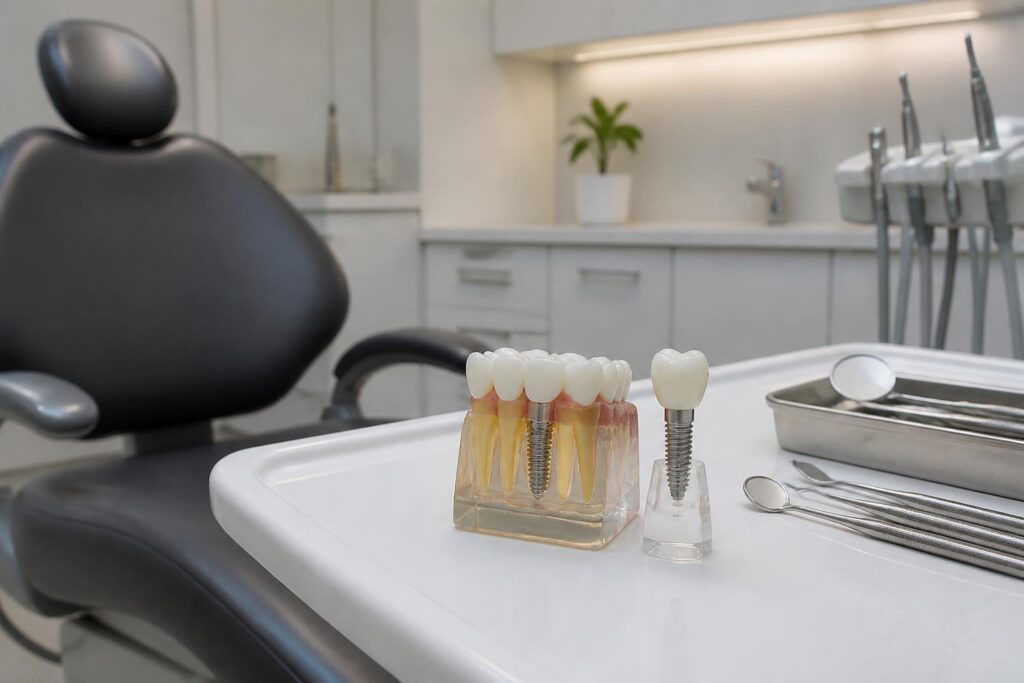
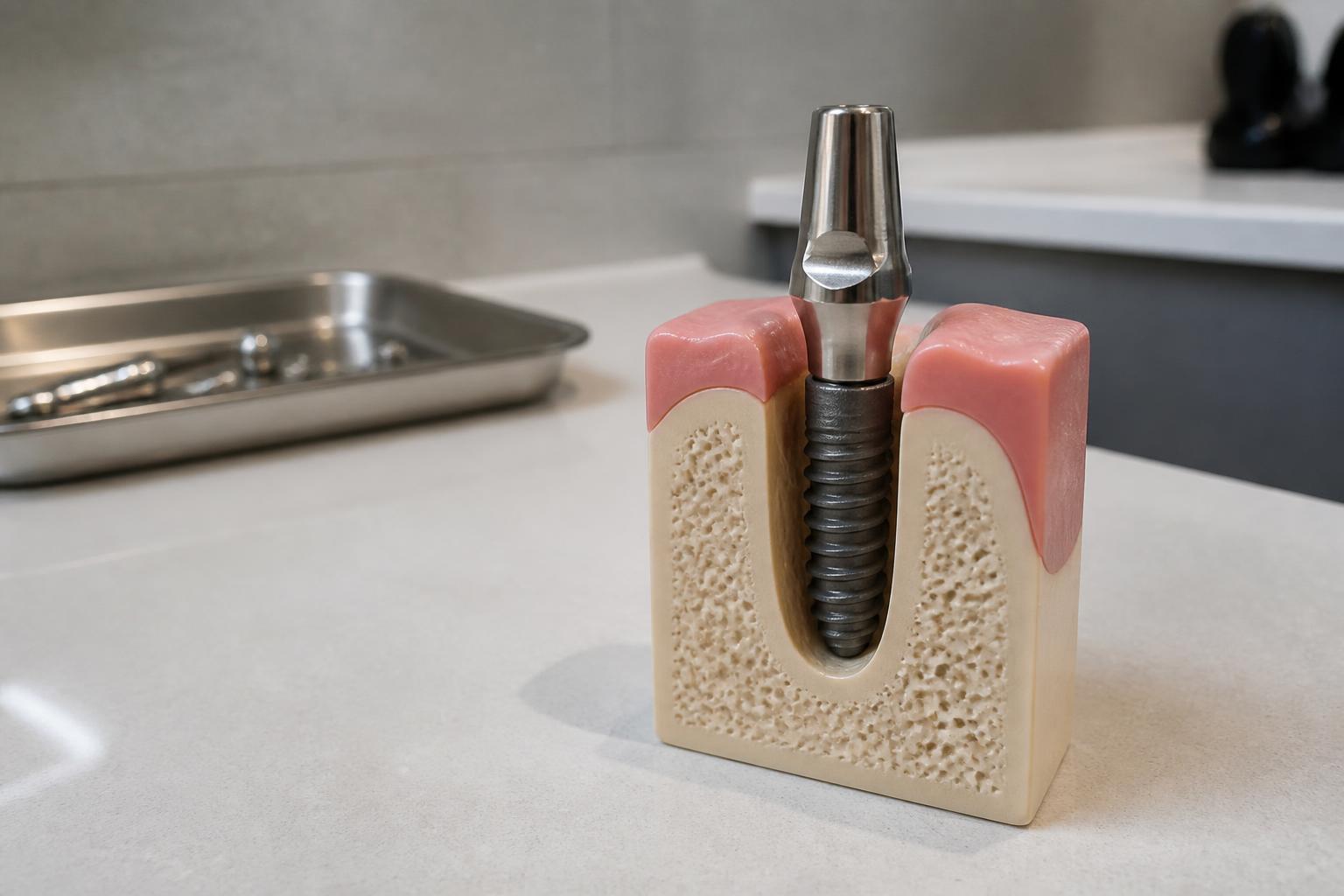
A dental implant is a small titanium or titanium-alloy post that is placed into the jawbone to act as an artificial tooth root. Once the surrounding bone has integrated with the implant, a connector piece called an abutment is attached, and a custom crown is placed on top to restore the visible portion of the tooth. Unlike a bridge, which relies on adjacent teeth for support, an implant is anchored directly in the bone, which is one reason many patients ask about it when a tooth is missing or beyond saving.
Common Factors That Support Implant Candidacy
Every case is different, but there are several factors your dentist will generally look at during an implant evaluation:
- Bone volume and density. The jawbone needs enough width and height to support and stabilize the implant. This is typically assessed with a clinical exam and dental imaging.
- Gum health. Healthy, disease-free gum tissue supports better healing around an implant. Active, unmanaged gum disease is usually addressed before implant treatment is considered.
- Oral hygiene habits. Because implants still need to be brushed and flossed like natural teeth, a patient’s ability and willingness to maintain good home care is part of the conversation.
- Overall health. Certain health conditions and medications can affect healing. Your dentist may ask about your medical history or coordinate with your physician when relevant.
- Growth completion. Implants are generally placed after jaw growth is complete, which is why they are typically not recommended for younger patients who are still developing.
None of these factors are pass-or-fail on their own. They are pieces of a bigger picture your dentist puts together to recommend the option most likely to succeed for your specific mouth.
Situations That May Need Extra Planning First
Some patients are still candidates for implants, but only after additional preparation. For example, if there has been significant bone loss in the area of the missing tooth (which can happen the longer a tooth has been gone), your dentist may discuss whether a bone graft or other preparatory step is appropriate before implant placement. Similarly, if gum disease is present, treating it first is usually the priority, since a stable, healthy foundation matters for long-term success.
Smoking, some chronic health conditions, and certain medications can also affect healing, so your dentist may want to discuss those factors directly with you or ask you to check in with your physician before scheduling treatment. This is not meant to discourage you. It is meant to give the implant the best possible environment to succeed.
How the Implant Process Generally Unfolds
While every treatment plan is tailored to the patient, the process usually includes a few recognizable stages:
- Consultation and imaging. Your dentist examines the area, reviews your dental and medical history, and typically takes X-rays or other imaging to evaluate bone structure.
- Treatment planning. If you are a candidate, your dentist outlines the steps involved, including whether any preparatory treatment is needed first.
- Implant placement. The implant post is placed into the jawbone, usually under local anesthetic.
- Healing period. Time is needed for the bone to integrate with the implant before the final restoration is attached. This healing period varies by patient.
- Restoration. Once healing is confirmed, the abutment and custom crown are placed to complete the tooth.
Because healing time and treatment steps vary from person to person, your dentist can give you a timeline that reflects your specific situation once an evaluation has been completed.

Comparing Implants With Other Replacement Options
Implants are not the only way to replace a missing tooth. A denture may be recommended when multiple teeth are missing or when a patient prefers a removable option, while a fixed bridge can replace a tooth using the support of neighbouring teeth. Your dentist can walk you through how each option compares for your specific situation, including what is involved in the appointments, expected care requirements, and how each option may affect the surrounding teeth over time. There is rarely a single “best” answer for every patient. The right choice depends on the condition of nearby teeth, bone volume, your health history, and your own preferences.
What to Expect at a Candidacy Consultation
An implant consultation typically includes a review of your dental and medical history, a clinical exam of the area, and imaging to evaluate the bone. Bring a list of any medications you take and be ready to discuss your overall health, since this helps your dentist give you an accurate, individualized recommendation rather than a generic answer. If you are not a candidate for implants right now, your dentist can usually explain why and discuss whether preparatory treatment could change that in the future, or whether another replacement option may suit you better.
Caring for an Implant After Treatment Is Complete
Once an implant is restored with its final crown, day-to-day care looks similar to caring for a natural tooth. Brush twice daily with fluoride toothpaste, clean between the implant and neighbouring teeth every day, and keep up with regular dental checkups and professional cleanings. Plaque can still build up around an implant the same way it does around a natural tooth, and healthy gum tissue around the implant matters for its long-term stability. If you grind or clench your teeth, mention this to your dentist, since it can place extra force on any restoration, implants included, and your dentist can discuss whether a night guard or another protective step is worth considering. Attending your scheduled follow-up appointments also gives your dentist a chance to check the fit, the bite, and the surrounding tissue over time, rather than only addressing a concern once it becomes noticeable to you.
Frequently Asked Questions
Am I too old for a dental implant?
Age by itself is not usually a barrier. What matters more is bone health, gum health, and overall health, which your dentist evaluates individually rather than basing a decision on age alone.
What if I do not have enough jawbone left?
Bone loss does not automatically rule out implants. Depending on the amount of bone present, your dentist may discuss additional planning or preparatory options and explain what that could mean for your treatment timeline.
Does gum disease affect implant candidacy?
Active, unmanaged gum disease is generally treated first, since a stable and healthy gum and bone foundation supports better long-term outcomes for an implant.
How do I find out if I am a candidate?
The only reliable way is a clinical evaluation that includes an exam, a review of your health history, and dental imaging. That assessment lets your dentist give you a recommendation specific to your mouth.
Schedule a Dental Implant Consultation in Pickering
If you are missing a tooth and want to understand your replacement options, our team can walk you through what a personalized evaluation involves. Learn more about dental implants in Pickering and our Pickering dental office. To schedule a consultation, call Ivory Dental at (905) 839-9663 or contact our office. Recommendations are based on your examination and individual oral-health needs.