
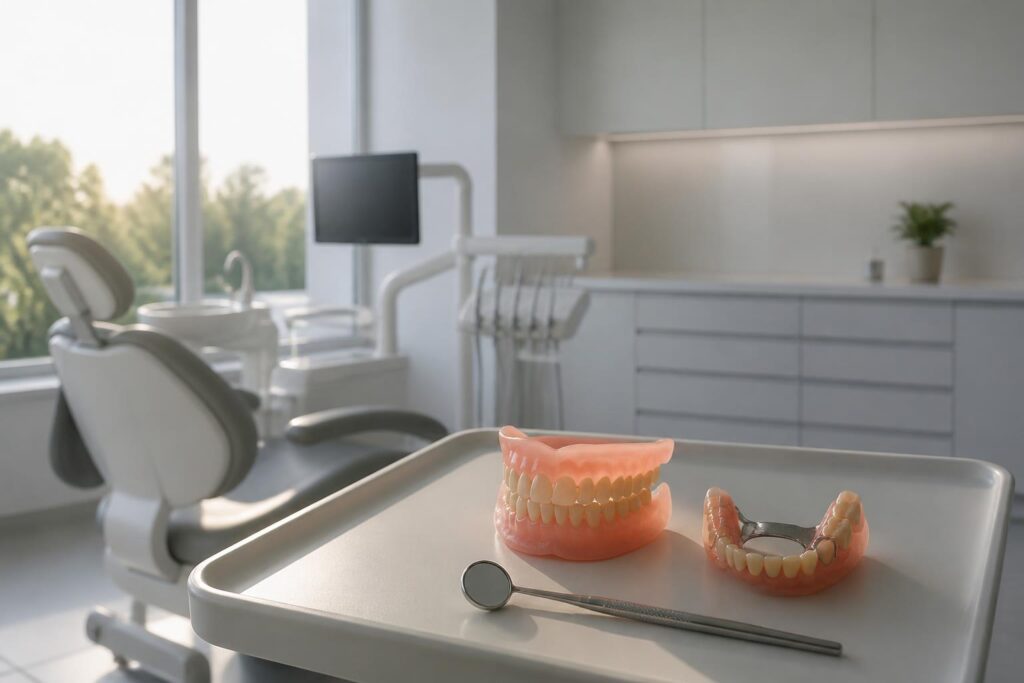
A denture that fit comfortably when you first got it will not necessarily feel the same way years, or even months, later. Your gums and the underlying jawbone can gradually change shape over time, and a denture that once sat securely can start to feel loose, shift while you eat or speak, or create sore spots that were not there before. This is a normal part of wearing a denture, and it is exactly what adjustments and relines are meant to address.
If your denture has started to feel different, here is what generally causes that, what an adjustment or reline involves, and how to keep your denture comfortable between visits.
Why Dentures Need Periodic Adjustment
A denture rests on your gums and the ridge of bone underneath them. Unlike natural teeth, which help preserve the shape of the jawbone through normal biting and chewing forces, the bone beneath a denture can gradually remodel and lose volume over time. As that happens, the fit between your denture and your gums changes, even though the denture itself has not changed shape. The result can be a denture that no longer sits as securely as it once did, particularly in the months following a new denture, when the mouth is still adjusting to the change.
Common Signs Your Denture May Need Attention
Not every change in fit means something is wrong, but a few patterns are worth mentioning to your dentist:
- Looseness or slipping. A denture that shifts while eating, talking, or laughing may no longer be making full, even contact with your gums.
- Sore or irritated spots. Pressure points can develop where the denture no longer distributes bite force evenly.
- Difficulty chewing certain foods. If foods that used to be easy to eat have become harder to manage, the fit may have changed.
- Changes in speech. A shifting denture can sometimes affect how certain sounds come out.
- Visible wear or a denture that looks different than it used to. The base material and teeth can wear gradually with daily use.
None of these signs mean you need a brand-new denture right away. In many cases, an adjustment or a reline can restore a comfortable, secure fit to the denture you already have.
Adjustment vs Reline: What Is the Difference?
These two terms are related but describe different levels of correction, and your dentist will determine which one applies to your situation:
- An adjustment is typically a smaller correction, such as smoothing an area that is rubbing or pinching, or fine-tuning how the denture meets your bite. This is often done chairside in a single visit.
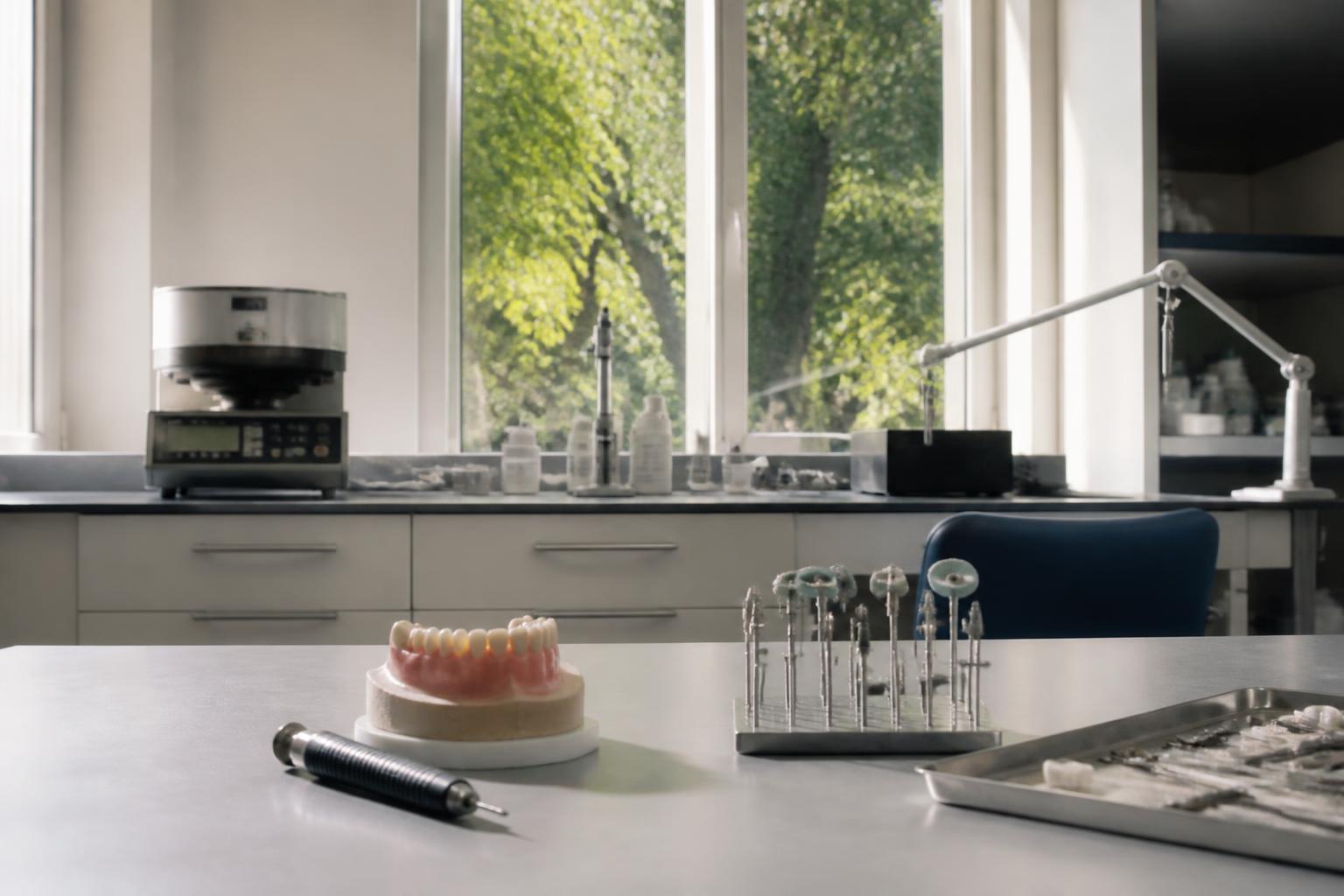
- A reline involves adding new material to the base of the denture that touches your gums, so it once again matches the current shape of your gum tissue and jawbone. Depending on your situation, your dentist may perform a soft reline (using a cushioned material) or a hard reline (using a more rigid material), and some relines can be done chairside while others are sent to a dental lab for processing.
Your dentist will examine your denture and your mouth to determine whether an adjustment, a reline, or another option best addresses what you are experiencing.
How Often Might a Denture Need Attention?
There is no single timeline that applies to every patient, since the rate of change in the gums and jawbone varies from person to person. Many patients find that the first year after getting a new denture involves the most noticeable change, simply because the mouth is still settling into a new normal. After that, periodic check-ins let your dentist catch small fit issues before they turn into sore spots or a denture that feels consistently loose. Regular dental visits give your dentist the chance to examine both the denture and the tissue underneath it, even if you are not currently experiencing discomfort.
Caring for Your Denture Between Visits
Good daily care helps your denture stay in better condition between adjustments:
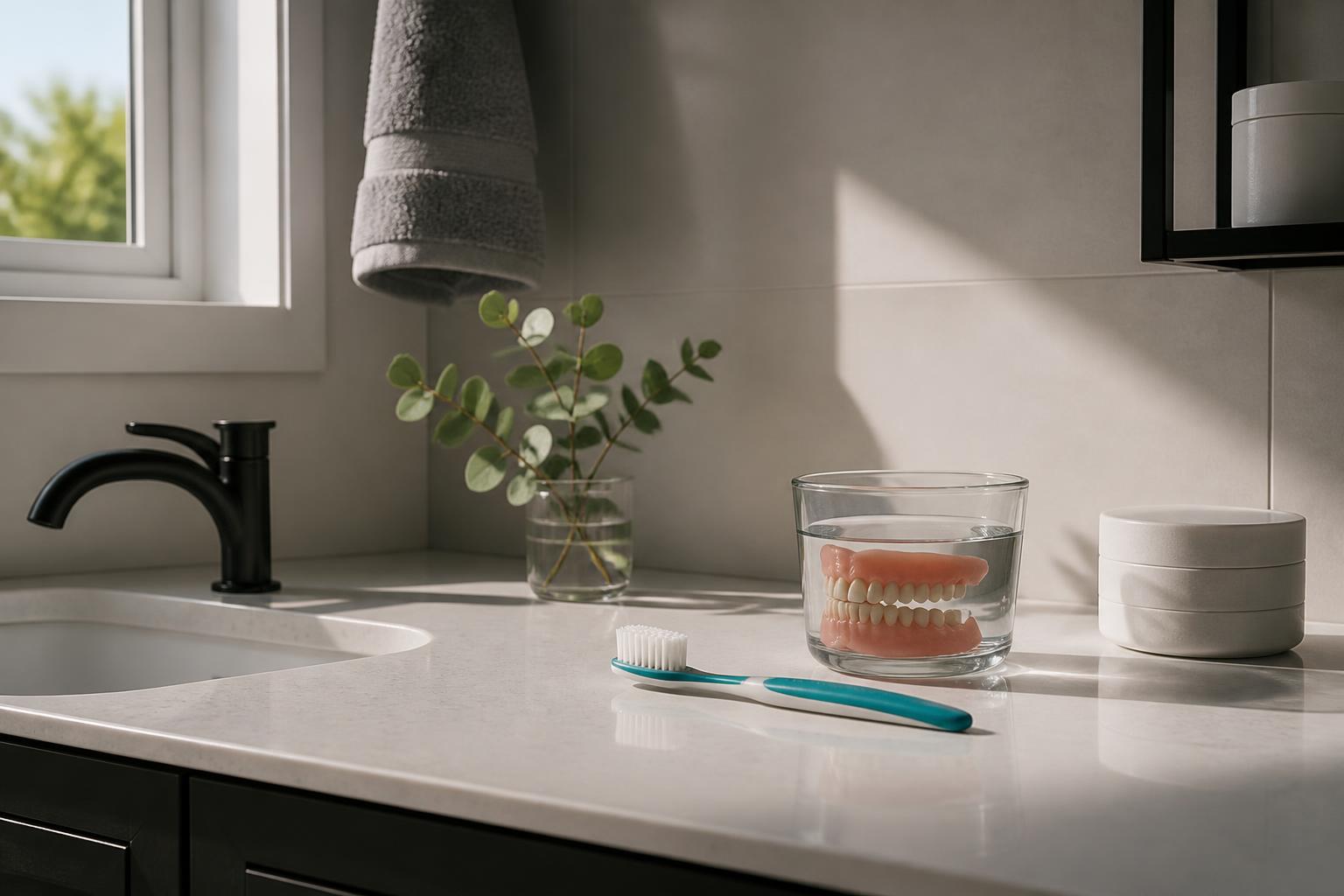
- Clean it daily. Brush your denture with a soft-bristled brush designed for dentures, using a non-abrasive cleanser rather than regular toothpaste, which can be too abrasive for denture material.
- Handle it carefully. Cleaning your denture over a folded towel or a basin of water can help prevent damage if it is dropped.
- Keep it moist when not worn. Dentures can lose their shape if they dry out, so soak your denture as directed by your dentist when it is not in your mouth.
- Do not attempt DIY repairs or adjustments. Home repair kits and adjusting the denture yourself can damage the fit further and make a proper repair more difficult.
- Keep up with checkups. Regular dental visits let your dentist check the fit and the health of your gums, even between adjustments.
Dentures Compared With Other Replacement Options
If you are finding that your denture needs frequent adjustments, it is worth knowing that dentures are not the only tooth-replacement option available. Some patients explore an implant-supported option, where the denture or a fixed restoration is anchored to implants in the jawbone rather than resting on the gum tissue alone, which can change how the fit is maintained over time. This is not the right fit for everyone, and your dentist can walk you through how it compares to your current denture, including what is involved in the evaluation and treatment process, so you can make an informed decision based on your own mouth and goals.
Frequently Asked Questions
Is it normal for a denture to feel loose after a year or more?
It can be. Because the gums and jawbone can change shape gradually over time, many patients find their denture benefits from periodic adjustment. Your dentist can evaluate whether an adjustment, a reline, or another step is appropriate.
Can I keep wearing a denture that feels loose?
A loose-fitting denture is worth having checked rather than left as-is, since ongoing rubbing or an uneven bite can lead to sore spots or further changes in fit. Your dentist can assess what is happening and recommend next steps.
How long does a reline appointment take?
It depends on the type of reline. Some relines can be completed chairside in a single visit, while others require sending the denture to a dental lab, which may mean going without your denture for part of a day or being fitted with a temporary option. Your dentist can explain what to expect for your specific case.
Will a reline fix all denture problems?
Not necessarily. A reline addresses fit issues caused by changes in the gum and bone shape, but it may not resolve every concern, such as significant wear to the denture teeth themselves. Your dentist can evaluate your denture and recommend whether a reline, an adjustment, or a different option is the right fit.
Schedule a Denture Check-Up in Pickering
If your denture feels loose, uncomfortable, or different than it used to, our team can evaluate the fit and discuss whether an adjustment or reline is the right next step. Learn more about dentures in Pickering and our Pickering dental office. To schedule a denture check-up, call Ivory Dental at (905) 839-9663 or contact our office. Recommendations are based on your examination and individual oral-health needs.