

A tooth extraction in Pickering begins with diagnosis and informed consent, not with the removal itself. A dentist first determines why the tooth is causing concern, whether it can be repaired and which risks or alternatives matter in your case. X-rays and medical information may change the plan.
This tooth extraction process guide explains assessment, local anesthetic, the difference between straightforward and surgical removal, and the first days of healing. It is general information; follow the instructions from the dentist or oral surgeon who treats you. Visit our tooth extractions in Pickering page for service details.

Assessment Before a Tooth Extraction
A tooth may be considered for extraction when decay or fracture leaves too little structure to restore, an infection cannot be managed while saving the tooth, advanced gum disease has removed support, or a specific orthodontic or wisdom-tooth problem exists. Pain alone does not prove that extraction is required.
The dentist examines the tooth, surrounding gums and bite. X-rays can show root shape, bone, nearby structures and disease not visible in the mouth. Depending on the diagnosis, alternatives may include a filling, crown, root canal treatment, gum treatment or monitoring.
Ask how urgent the decision is. A tooth with spreading infection or a vertical fracture may require prompt action, while another finding may allow time to compare options. If referral is recommended, ask what the specialist will assess and how pain or infection should be managed while you wait.
Financial or timing concerns should be raised before consent. The dentist can explain whether a phased plan is reasonable, but postponing care can change restorability. A useful discussion separates what is clinically urgent from what is elective.
Update the team about medical conditions, allergies, pregnancy, medications and supplements. Medicines affecting bleeding, immunity or bone metabolism can be relevant. Do not stop a prescribed medicine without advice from the prescribing clinician and dentist.
The RCDSO’s consent information explains that a patient should understand the proposed treatment, material risks and alternatives and have an opportunity to ask questions.
What Happens During the Tooth Extraction Process?
Local anesthetic is commonly used to numb the treatment area. You may notice pressure or movement even when sharp pain is controlled. Tell the dentist if you feel pain so the team can reassess before continuing.
A straightforward extraction removes a tooth that can be accessed and loosened without a surgical flap. A surgical extraction may involve an incision, removal of a small amount of bone, or dividing the tooth into sections. The approach depends on the tooth, roots and surrounding anatomy.
During treatment, the team may use suction, instruments that apply controlled pressure and sutures when needed. A surgical approach is not automatically evidence that something went wrong; it can be the planned way to reach or divide a tooth safely. Ask whether a specimen, imaging or follow-up is expected in your case.
Procedure length varies and cannot be predicted accurately from a generic description. Root shape, tooth position, bone, access and inflammation all matter. Plan enough time for check-in, consent, anesthetic and post-procedure instructions rather than focusing only on the minutes spent removing the tooth.
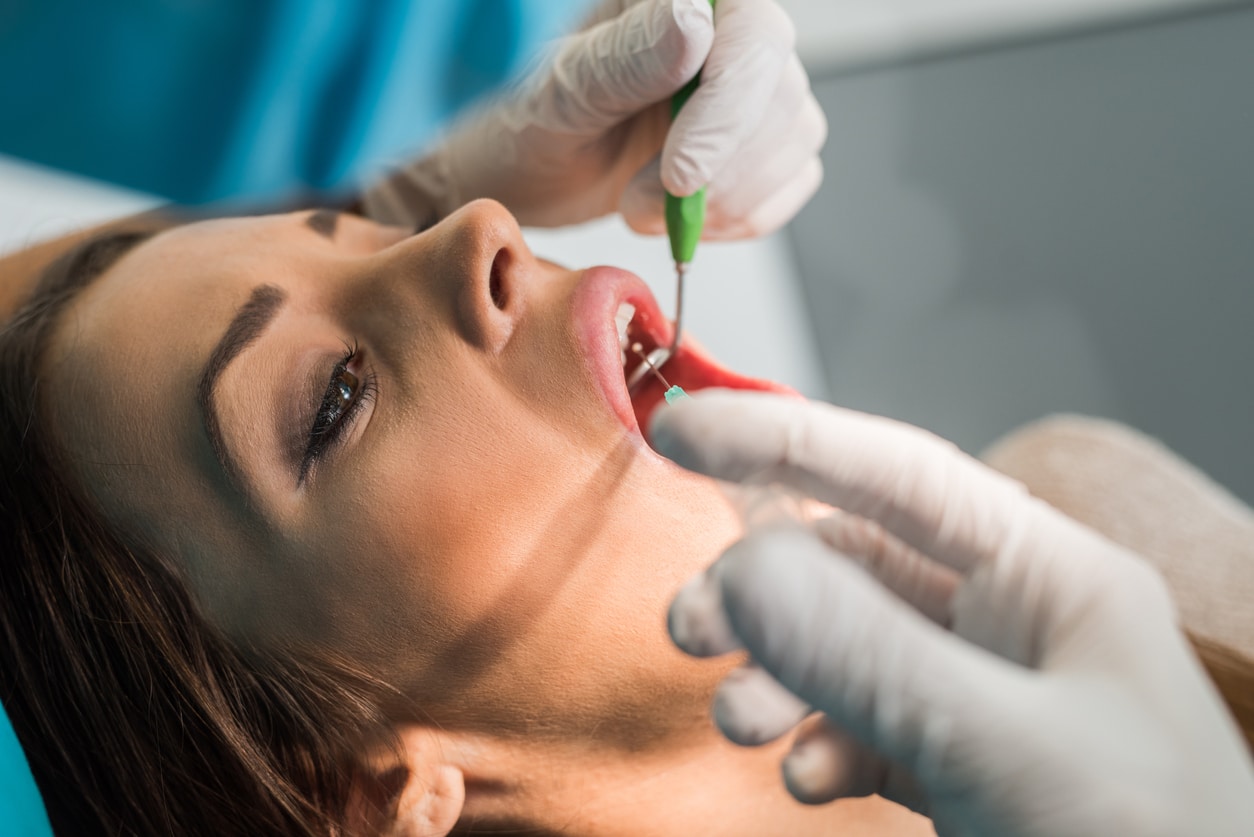
Some cases are referred to an oral and maxillofacial surgeon. The Canadian Dental Association’s oral-surgery guidance explains that dentists may perform oral surgery or refer to a specialist based on the procedure.
If you feel anxious, discuss it before the appointment. Support and any sedation option depend on assessment, practitioner authorization and facility requirements.
The First 24 Hours and Early Healing
A clot needs to form in the socket. The team may place gauze and ask you to apply firm pressure. Light oozing can mix with saliva and look more dramatic than it is, but bleeding that cannot be controlled needs a call to the dentist or oral surgeon.
Do not rinse vigorously, spit repeatedly, use a straw or disturb the site during the first 24 hours unless your clinician gives different instructions. Choose cool, easy-to-chew foods and keep activity light for the period recommended. Avoid smoking and alcohol because they can interfere with healing.
Use pain medication exactly as directed by the dentist, physician or pharmacist. Do not exceed label or prescription doses, and ask before combining products that may contain the same ingredient. Swelling and discomfort vary by procedure and person.
Prepare before the appointment by arranging suitable food, clean gauze if advised and help with transportation when required. If sedation is planned, follow fasting, escort and medication instructions exactly. If no sedation is planned, still ask whether work, exercise or driving restrictions apply.
Plan the first night as well as the trip home. Keep the treatment instructions and clinic number nearby, protect bedding if light oozing is expected and choose food that does not require strong chewing. Do not schedule strenuous exercise or an important event until you know the restrictions for your procedure. Preparation reduces the temptation to improvise with unsuitable food, medication or home remedies.
Arrange help with children or caregiving duties when the dentist expects you to rest or avoid lifting.
Do not compare recovery solely with another person’s experience. A simple front-tooth extraction and a deeply impacted wisdom tooth are different procedures. Your health and tobacco use can also affect healing.
Continue cleaning the rest of the mouth, taking care around the site. After the first day, your clinician may recommend gentle salt-water rinsing. Your written instructions should guide timing.
Warning Signs and Longer-Term Planning
Call if bleeding remains heavy despite firm pressure, pain is worsening instead of improving, swelling continues to increase after the expected early period, you develop a fever, or you are worried about healing. Difficulty breathing or swallowing requires urgent medical care.
A removed tooth may or may not need replacement. The answer depends on its location, the opposing teeth, your bite and the treatment goals. Options can include a dental implant, bridge, denture or no replacement in selected cases. Replacement planning may occur before extraction or after healing.
Complete any scheduled follow-up. If sutures were used or an infection was being monitored, the dentist may need to reassess the area even when you feel better.
Ask whether the follow-up is routine or symptom-driven and which changes should prompt an earlier call rather than waiting for the planned date.
Keep the written instructions available until the area has settled so you can compare new symptoms with the expected course described by the clinician.
Keep the written instructions and clinic number. When calling about a concern, say when the tooth was removed, whether symptoms are improving or worsening, what medications you have taken and whether there is fever, swelling or bleeding. Specific information helps the team triage the next step.
If a temporary appliance was placed after extraction, follow its cleaning and wearing directions. Do not adjust it with tools at home. Changes in the tissues during healing may require adjustment by the dental team.
Finally, keep future providers informed that the tooth was removed and why. That history can affect replacement planning, bite assessment and interpretation of later X-rays.
Frequently Asked Questions
How does a dentist decide whether a tooth can be saved?
The decision considers the diagnosis, amount of healthy structure, root and bone support, restorability, bite and reasonable treatment alternatives.
Will I be awake during a tooth extraction?
Many extractions use local anesthetic with the patient awake. Any sedation or anesthesia depends on the procedure, assessment and authorized setting.
Can I drive after the appointment?
Ask before treatment. Driving restrictions depend on sedation, medication and the procedure. Arrange an escort whenever the clinic instructs you to do so.
When can I brush near the socket?
Clean the rest of your mouth while protecting the site. Follow the written directions for when and how to brush or rinse near the socket.
When should I call about bleeding?
Follow the gauze and pressure instructions. Contact the dentist or oral surgeon if bleeding cannot be controlled or you are concerned about the amount.
To discuss the tooth extraction process in Pickering, call Ivory Dental at (905) 839-9663 or use the contact form.