
Cosmetic dental enhancements are more accessible than ever, and many Pickering residents are seeking ways to address cracks, chips, discoloration, or small gaps in their teeth. Two of the most popular solutions are dental bonding and veneers, but understanding which is right for your needs requires a closer look at their differences, advantages, and considerations. At Ivory Dental, we are committed to guiding patients through their cosmetic options with clarity and professionalism.
In this comprehensive guide, we’ll compare dental bonding and veneers, highlight their unique benefits, and discuss factors to consider when choosing the right treatment for your smile. Whether you’re looking for a quick aesthetic fix or a more long-lasting solution, this article will help you make an informed decision for your oral health and appearance.
What Is Dental Bonding and How Does It Work?
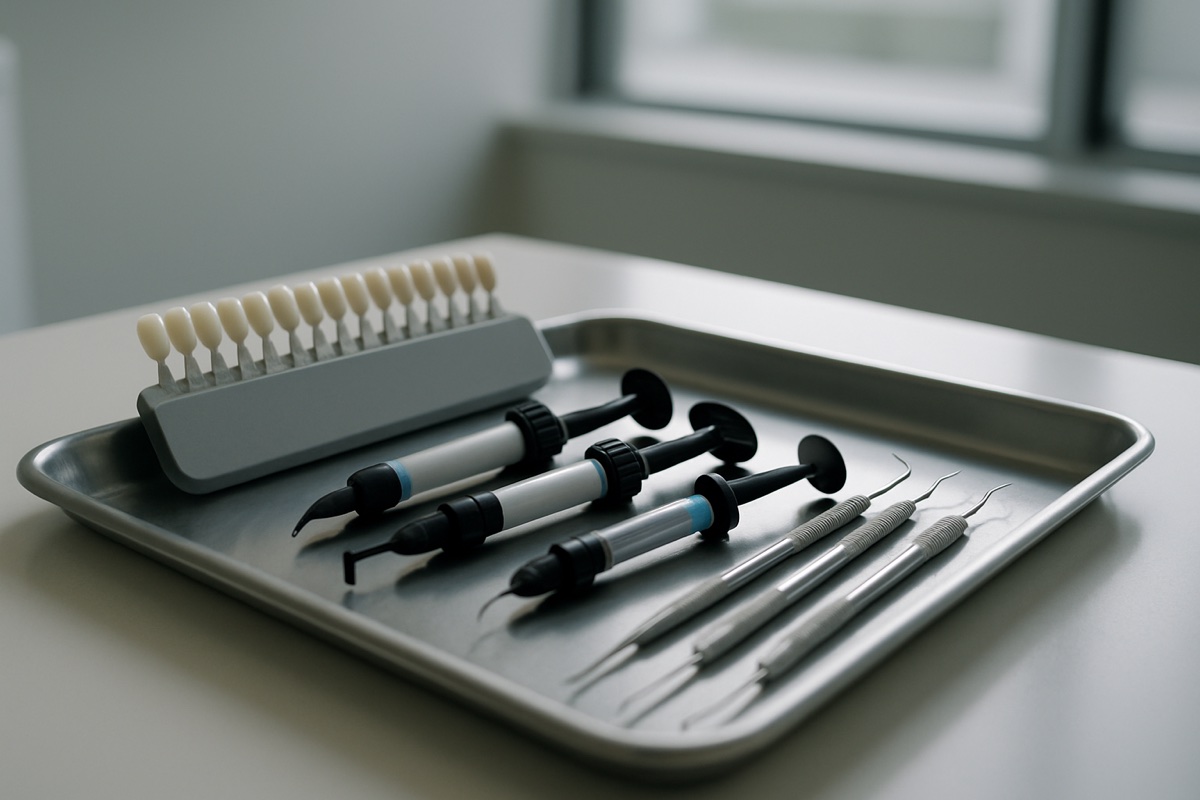
Dental bonding is a straightforward and effective cosmetic procedure used to repair minor imperfections such as chips, cracks, and discoloration. During the process, a tooth-coloured composite resin is applied to the affected tooth, sculpted to the desired shape, and then hardened using a special curing light. The result is a seamless repair that blends naturally with the surrounding teeth.
Bonding often requires less tooth preparation than a veneer because composite is applied to a smaller part of the tooth. Some minor repairs can be completed in one appointment, but timing and preparation depend on the tooth condition and the amount of treatment. An examination is needed to confirm whether bonding is a suitable conservative option.
Dental bonding wears over time and may eventually need polishing, repair, or replacement. The pace depends on the size and location of the bonded area, bite forces, oral habits, and home care. For more information on cosmetic dentistry options, visit our Cosmetic Dentistry in Pickering page.
Dental Bonding vs Veneers in Pickering: Weighing Your Options
While dental bonding and veneers can address some of the same cosmetic concerns, they cover different amounts of tooth structure. Veneers cover the front surface and may be made from porcelain or composite resin. Porcelain generally resists staining better than composite, but either restoration can wear, chip, or need repair.
Porcelain veneer preparation generally removes a thin layer of enamel and normally includes a laboratory fabrication step. Bonding is often applied with less tooth preparation, but it should not be described as automatically reversible because the preparation and tooth condition vary. The dentist can explain the expected appointments, preparation, and repair path for each option.
When deciding between bonding and veneers, ask which surfaces each treatment would cover, whether enamel would be removed, and how repairs would be managed. The Canadian Dental Association explains the preparation steps for both options.
Cost, Maintenance, and Longevity: What to Expect

Cost is an important consideration for many patients. Dental bonding is generally less expensive than veneers, making it an attractive choice for minor corrections or for those seeking cosmetic improvements on a budget. However, because bonding is more susceptible to staining and chipping, it may require more frequent touch-ups.
Maintenance for both treatments involves good oral hygiene practices—brushing twice daily, flossing, and regular dental checkups. Avoiding habits such as biting fingernails, chewing ice, or using teeth as tools can extend the life of your bonding or veneers. To explore our approach to cosmetic treatments and maintenance, visit Dental Bonding in Pickering.
Fees and future maintenance depend on the material, number of teeth, tooth preparation, and treatment plan. Instead of comparing generic lifetime costs, ask for a tooth-specific estimate and discuss how polishing, repair, or replacement would be handled. Your dentist can relate those trade-offs to your oral health and goals.
Who Is a Good Candidate for Each Treatment?
Dental bonding is most suitable for individuals with minor cosmetic concerns such as small chips, slight gaps, or mild discoloration. It’s an excellent option for those who want a quick, non-invasive upgrade to their smile without the commitment of permanent enamel alteration. Patients who grind their teeth or have significant bite issues may need to explore more durable solutions.
Veneers may be considered when the proposed change involves more of the visible tooth surface. Candidacy still depends on healthy teeth and gums, enough enamel for bonding, and bite forces that will not overload the restoration. The Canadian Dental Association outlines how porcelain and composite veneers are prepared and placed.
Ultimately, an in-person consultation is essential to assess your oral health and discuss your cosmetic goals. At Ivory Dental, our experienced team will guide you through every step, ensuring the right solution for your unique smile.
Questions that make the comparison more useful
A useful bonding-versus-veneers consultation starts with the tooth, not the material. The dentist needs to check for decay, gum inflammation, cracks, existing fillings, the amount of healthy enamel, and the way the upper and lower teeth meet. A cosmetic shell can change colour and shape, but it doesn’t treat an active dental problem underneath. If a tooth needs restorative care first, that work becomes part of the treatment sequence.
Ask how much of the tooth each option would cover and whether any enamel would be removed. The Canadian Dental Association’s bonding and veneers guidance explains that bonding is applied to a smaller portion of a tooth, while a veneer covers the front surface. Porcelain and composite veneers also follow different preparation and placement steps. Those differences affect whether treatment is reversible, how repairs are handled, and how many appointments are involved.
It also helps to discuss habits that put force on front teeth. Nail biting, chewing ice, opening packages with teeth, or grinding and clenching can chip bonding or veneers. Bring up any night-time grinding, past fractures, or bite discomfort during the examination. The best plan is the one that fits the tooth condition, the size of the change, and the maintenance you’re prepared to follow—not simply the option that sounds most durable in a generic comparison.
Frequently Asked Questions
How long does dental bonding last compared to veneers?
Both bonding and veneers wear over time. How long either restoration lasts depends on the material, tooth preparation, bite forces, oral habits, placement, and home care. Your dentist can explain the likely maintenance and repair path for the option recommended after examining your teeth.
Is dental bonding reversible?
Bonding often changes less tooth structure than a porcelain veneer, but whether a particular treatment can be reversed depends on the preparation and the tooth’s condition. Ask the dentist what enamel would be changed and what the tooth would need if the composite were later removed.
Can I whiten my teeth after getting bonding or veneers?
Whitening products change natural tooth colour differently from composite resin or porcelain. If whitening is part of your goal, discuss the order before the restoration shade is selected so the dentist can explain what colour match is realistic.
For more personalized answers, we welcome you to reach out to our team directly.
If you’re considering cosmetic dental options, Ivory Dental is here to help you achieve your best smile. Call us at (905) 839-9663 or contact us online to schedule your consultation. Discover your options for dental bonding and veneers at our convenient Pickering location.