Teeth whitening in Pickering should begin with a dental assessment, because not every dark or discoloured area responds to bleach. Natural teeth, fillings, crowns, bonding and veneers do not change colour in the same way. The cause of discolouration, sensitivity, gum health and existing restorations all affect which option is reasonable.
In-office and at-home teeth whitening differ in supervision, fit, schedule and product concentration. This guide compares in-office whitening, dentist-supervised take-home trays and over-the-counter products without promising a specific number of shades or a fixed duration. Results vary from person to person. Visit our teeth whitening in Pickering page for clinic-specific service information.
Why Teeth Change Colour
Surface stains can build up from dark beverages, tobacco and strongly coloured foods. A dental cleaning may reduce some external stain, but cleaning and bleaching are different procedures. Whitening products use peroxide-based ingredients to lighten colour within natural tooth structure.
Age, trauma, developmental conditions and some medications can cause colour changes inside a tooth. A single dark tooth needs assessment because it may have a different cause from general yellowing. Decay, cracks, leaking fillings or gum recession can also change appearance or produce sensitivity.
Whitening does not lighten tooth-coloured fillings, crowns, bridges, bonding or veneers. If those restorations are visible, the final colour may not match after natural teeth are whitened. Discuss treatment order before replacing a restoration for appearance alone.
The Canadian Dental Association’s teeth-whitening guidance recommends a dental examination before bleaching and notes that sensitivity and gum irritation can occur.
In-Office vs At-Home Teeth Whitening Options
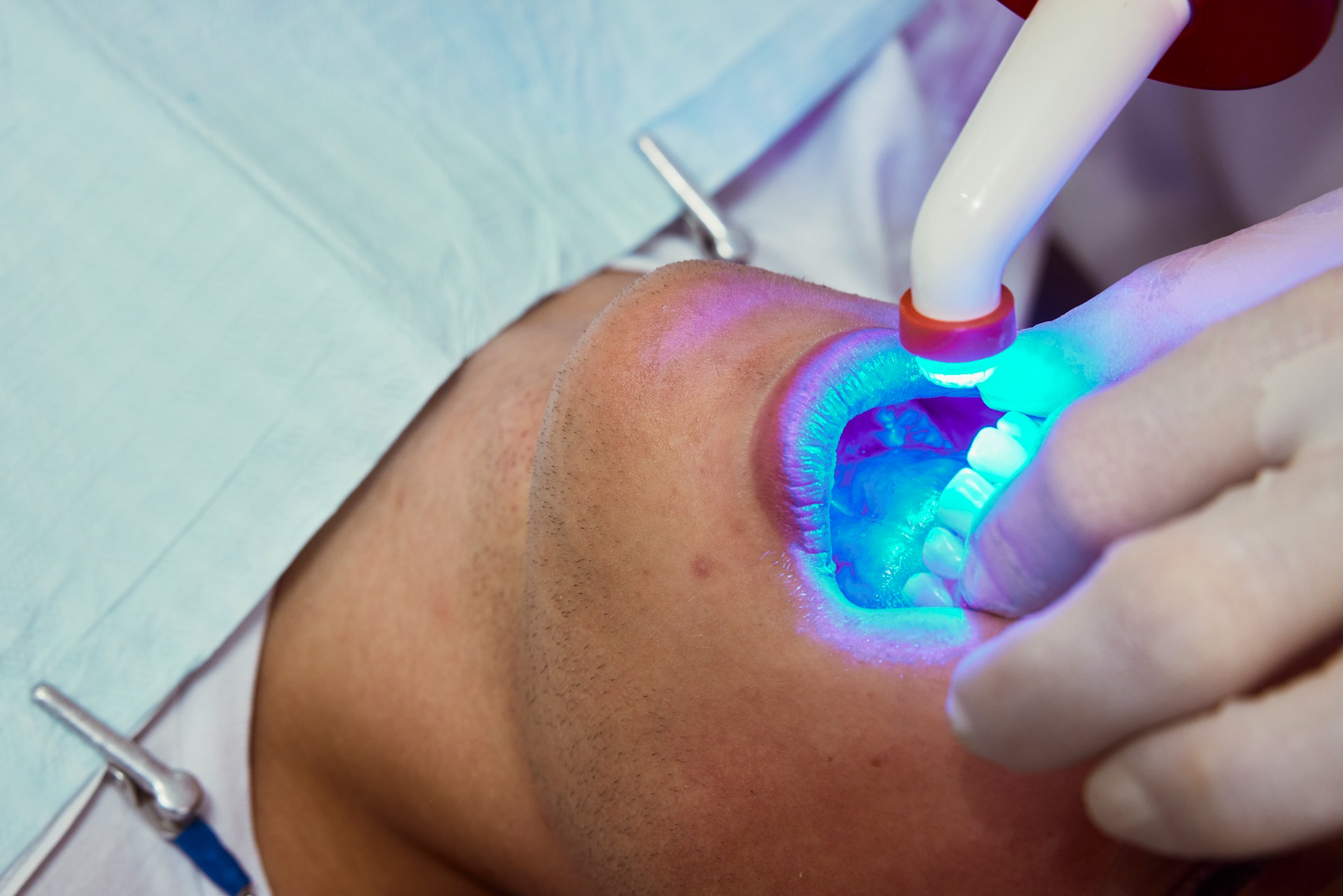
In-office whitening is performed in a dental setting with the gums and soft tissues protected according to the product and procedure. It may suit someone who wants the process supervised in the clinic. Concentration, appointment length and the number of visits depend on the system and the patient’s starting condition.
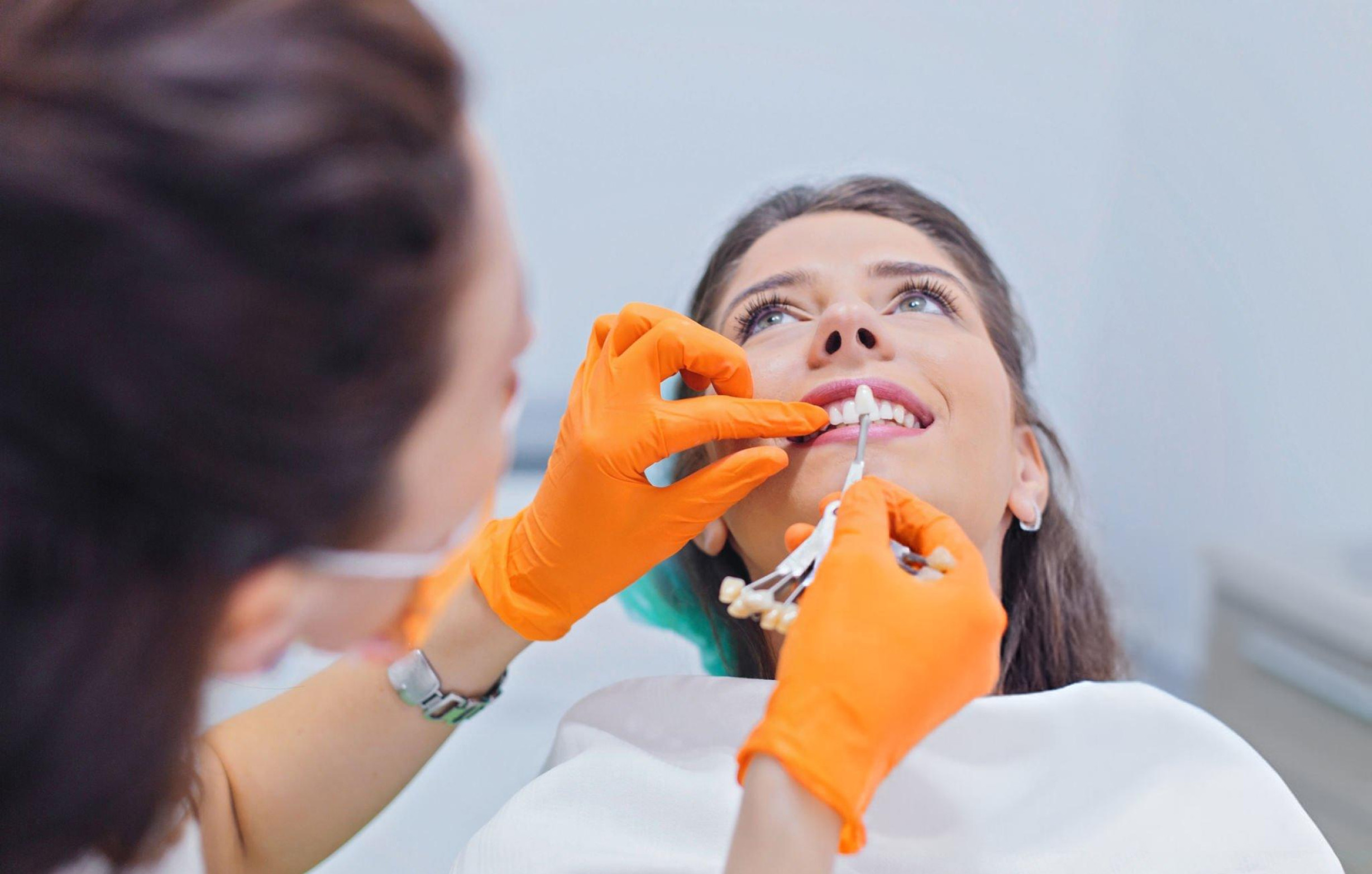
Dentist-supervised take-home whitening usually uses trays made for the patient’s mouth and gel supplied with specific instructions. Treatment happens over a period of days or weeks. The schedule can be adjusted when sensitivity occurs, but the product should be used only as directed.
Over-the-counter strips, gels and tray products use standardized designs and lower-concentration formulations. They may help with some general staining, but poor fit can expose the gums or create uneven contact. Whitening toothpaste mainly removes surface stain through abrasives; it does not bleach tooth colour in the same way as peroxide products.
The best comparison is not simply “stronger versus weaker.” Ask about supervision, fit, sensitivity, how quickly you want to complete treatment, and whether visible restorations will need separate planning.
Cost is another difference, but it should be discussed after candidacy. In-office care, custom trays and retail products have different fees and levels of supervision. Dental plans may exclude whitening because it is cosmetic. Ask the clinic for a case-specific estimate and confirm benefits directly with your insurer rather than assuming a plan will reimburse the treatment.
People with braces, significant enamel wear, exposed roots or many visible restorations may need a different plan. Pregnancy, age and product instructions can also affect whether treatment is appropriate at a particular time. Bring the exact name of any product you have already used so the dentist can consider concentration, schedule and previous sensitivity.
Safety, Sensitivity and Realistic Results
Temporary tooth sensitivity and gum irritation are common concerns. Follow the amount, timing and frequency recommended for the product. More gel or longer wear does not guarantee a better result and can increase irritation. Stop and contact a dentist if you have severe pain, persistent soft-tissue irritation or a colour change limited to one tooth.
Whitening is not appropriate for untreated decay, active gum problems or some causes of discolouration. It also does not change the underlying shape, spacing or position of teeth. If whitening cannot address the concern, bonding, veneers or another cosmetic dentistry option may be discussed after assessment.
Natural tooth colour varies. Photos, lighting and dehydrated teeth can make “before and after” comparisons misleading. A shade record taken under consistent conditions is more useful than a guarantee of a set number of shades. The result can also look different once teeth rehydrate after treatment.
Some stains respond better than others. Yellow or general age-related darkening may respond differently from grey, banded or trauma-related colour. A single tooth may require internal treatment, bonding, a veneer or another approach rather than bleaching all teeth. The dentist should explain uncertainty before treatment instead of promising uniform change.
Whitening is also separate from oral-health treatment. It does not strengthen enamel, prevent cavities or treat gum disease. Marketing phrases such as “detox,” “free of all substances” or “permanent whitening” do not replace product evidence and clinical assessment.
Ask how the clinic will handle sensitivity if it occurs. A useful plan identifies whether to shorten sessions, pause treatment, change concentration or reassess a particular tooth. It should also state when whitening must stop. Continuing through sharp or localized pain can hide a problem that needs diagnosis. General sensitivity and pain isolated to one tooth are not automatically managed the same way.
Document the starting shade and visible restorations before the first application so later comparisons use the same reference points.
Keeping Teeth Brighter After Whitening
Whitening is not permanent. Coffee, tea, red wine, tobacco and normal aging can change colour again. Brush twice daily with fluoride toothpaste, clean between teeth and follow the recall schedule recommended for your oral health. A dental cleaning can remove plaque, tartar and some surface stain but should not be presented as a bleaching procedure.
Rinsing with water after a staining drink can reduce the time pigments stay in contact with teeth. Avoid aggressive brushing immediately after acidic foods or drinks; give saliva time to neutralize the mouth. Using a straw is not suitable for every drink and does not eliminate acid or sugar exposure.
Touch-up timing should be individualized. Repeated whitening without assessment can increase sensitivity and may not fix a mismatch with restorations. Bring changes in colour or sensitivity to the dentist rather than continuously adding more product.
Keep a simple record of the product, concentration, dates and sensitivity if you whiten at home. That information is useful if you later change systems or need a visible restoration colour-matched. Store products away from children and do not share custom trays, since they are made for one person’s mouth.
If your main concern is stain along the gumline or between teeth, start with a cleaning assessment. If the concern is shape, chips or spacing, whitening alone may leave the original issue unchanged. Defining the problem first prevents repeated spending on a product that cannot deliver the intended change.
Ask for written instructions that name the product, amount and schedule. Keep them with the trays or kit and contact the clinic before restarting after a long pause. Teeth, gums and restorations may have changed since the original assessment, so an old whitening plan should not be treated as permanently current.
Frequently Asked Questions
Can sensitive teeth be whitened?
Sometimes, but the cause and severity of sensitivity should be assessed first. A dentist may recommend a different schedule, concentration or another approach. Untreated pain needs diagnosis.
Will whitening damage enamel?
Approved products used as directed are designed for dental whitening, but overuse can increase sensitivity and irritate soft tissues. Follow the dentist’s advice and the product instructions.
When should whitening be postponed?
Untreated decay, active gum problems, unexplained pain or a single dark tooth should be assessed first. The dentist may recommend addressing another condition before whitening.
How white will my teeth become?
No exact shade change can be guaranteed. Results depend on starting colour, the cause of discolouration, the product and individual response.
How do I book a whitening consultation?
Call Ivory Dental Pickering at (905) 839-9663 or use the contact form. Mention sensitivity and any visible crowns, fillings, bonding or veneers.
For an in-office or at-home teeth whitening consultation in Pickering, call (905) 839-9663. The first step is confirming that whitening is suitable for your teeth and goals.