

A dental checkup in Pickering can identify changes before they become painful, but the schedule and tests should be based on your individual risk. A checkup is more than a quick look for cavities. It can include a review of symptoms and health history, an examination of teeth and gums, an oral-cancer screening and diagnostic records when they are justified.
Knowing what to expect at a dental checkup can make the visit easier to plan. Early findings do not always require immediate treatment. Sometimes the result is prevention, monitoring or a smaller repair. The value of a regular visit is having a current baseline and a plan that matches your mouth.
Comparing findings over time can help the dentist separate a stable feature from a new change. Bring previous records when they are available and mention symptoms that appeared between visits.

What to Expect During a Dental Checkup in Pickering
The team begins by updating your medical history, medications, allergies and dental concerns. Changes such as dry mouth, pregnancy, diabetes, tobacco use or new medicines can affect prevention and treatment planning. Tell the dentist about pain, sensitivity, bleeding gums, jaw symptoms or changes in an existing filling or crown.
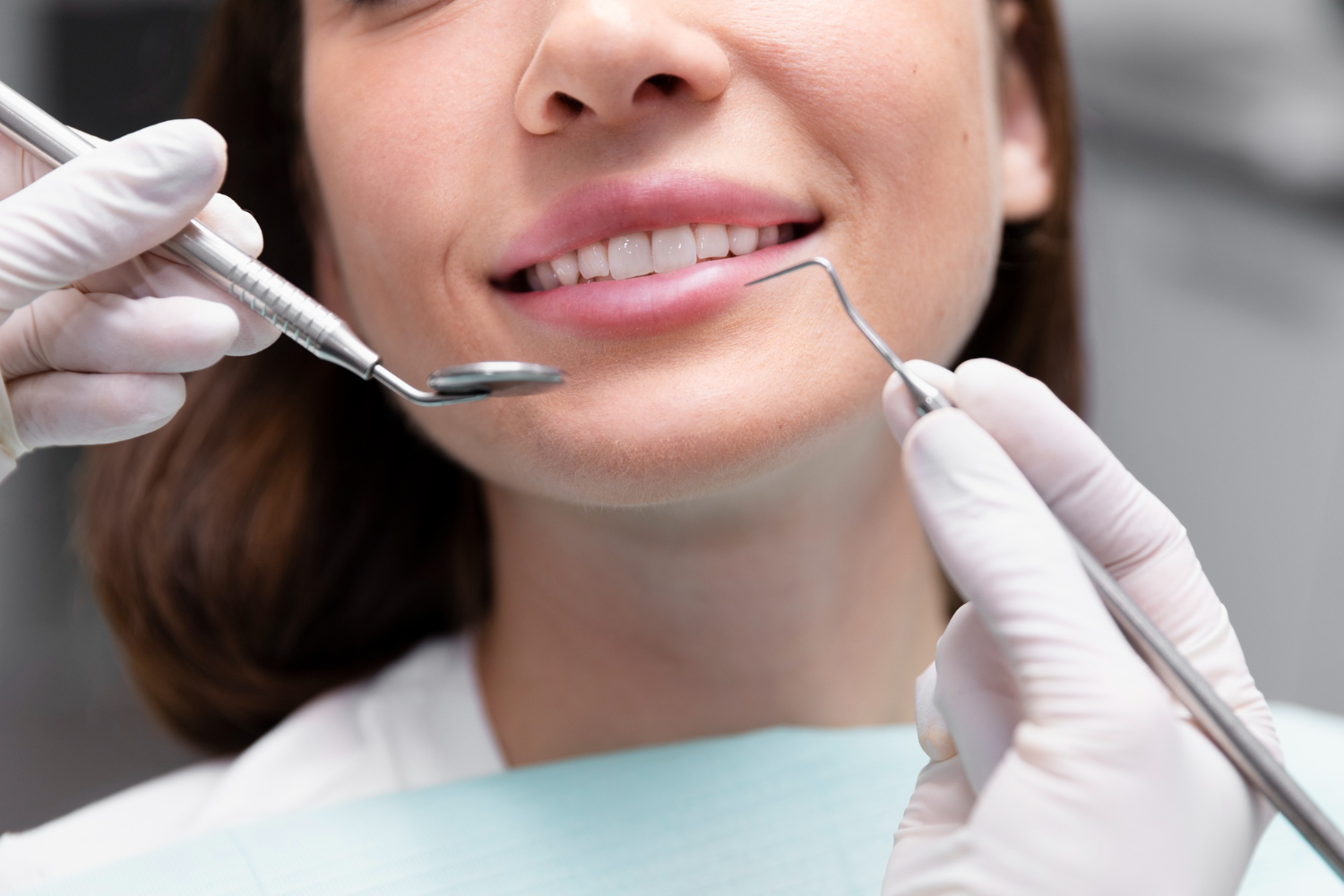
The dentist examines teeth for decay, fractures, wear and failing restorations. Gum assessment looks for inflammation, recession, bleeding and other signs that may need more detailed periodontal measurements. Soft tissues, tongue and other areas of the mouth are checked for unusual changes.
Existing treatment is part of the review. A crown can look intact while its margin or bite needs attention; a filling can develop a crack or gap; a denture may have become unstable as tissues changed. The dentist compares current findings with previous records when available. This is one reason continuity and complete records can be useful.
X-rays are not automatically required at every visit. Their type and frequency depend on age, symptoms, decay history, gum health, previous records and the information needed for diagnosis. Ask what an image is intended to show and how it will affect the plan.
The Canadian Dental Association’s dental-care guidance explains the role of examinations and the dental team. Individual recall intervals are set according to need rather than one fixed rule for everyone.
How Early Findings Can Change the Treatment Path
A small area of early decay may be managed with improved fluoride exposure, diet changes and monitoring in selected cases. A cavity that has progressed into tooth structure may need a filling. If decay reaches the pulp, treatment becomes more involved. The dentist should explain where the tooth falls on that spectrum.

Cracks and worn restorations can also be easier to address before a larger piece breaks. Depending on the finding, the plan could be monitoring, a filling, an onlay, a dental crown or another treatment. Early assessment creates options; it does not guarantee that every procedure will be simple.
Gum inflammation may improve with better plaque control and professional cleaning. More advanced disease can require periodontal treatment and closer maintenance. Bleeding gums are common but should not be dismissed as normal when they persist.
A checkup also helps identify non-dental causes or problems that need referral. Pain can come from jaw muscles, sinuses, nerves or other structures. A careful assessment prevents treatment from being aimed at the wrong source.
Monitoring is a real clinical decision, not “doing nothing.” The dentist may record the size, location or appearance of an early finding and compare it at a future visit. Ask what change would trigger treatment and what you can do at home to reduce risk. A clear monitoring plan should include a time frame and warning signs.
Before leaving, repeat the plan in your own words: which areas are healthy, which are being watched, what needs treatment and when to return. Ask for copies of estimates or referral information. This brief check catches misunderstandings and turns the examination into a practical to-do list instead of a collection of unfamiliar dental terms.
If several findings are listed, ask the dentist to rank them by urgency and explain which preventive step has the greatest immediate value for you now.
Prevention advice should also be specific. Someone with dry mouth may need a different strategy from a person whose main risk is frequent sugar exposure. A person with gum inflammation may need help cleaning between teeth, while someone who grinds may need a bite and habit assessment. Generic instructions are less useful than one or two changes connected to an observed risk.
How Often Should You Book?
There is no universal six-month schedule for every person. Some patients need more frequent examinations or cleaning because of active gum disease, high decay risk, dry mouth, orthodontic treatment or complex restorations. Others with stable oral health may be advised to return less often.
The interval can change. New medication, pregnancy, a recent cavity, tobacco use or a change in home care may alter risk. Ask why a particular recall period is recommended and what would cause it to be shortened or extended.
Professional cleaning intervals can also differ from examination intervals. A hygienist removes deposits that home care cannot remove and helps assess how a routine is working. Visit our teeth cleaning in Pickering page for more about preventive appointments.
Between visits, continue brushing twice daily with fluoride toothpaste and cleaning between teeth. Contact the clinic rather than waiting for the next recall if a symptom persists. A recall date is a prevention schedule, not a reason to delay assessment of pain, swelling, trauma or a broken restoration.
Costs, Coverage and Preparing for the Visit
Fees depend on the examination type, images, cleaning and any other service provided. The Ontario Dental Association publishes a suggested fee guide for dentists, but clinics set their own fees and dental plans set their own reimbursement rules. A generic online price cannot tell you what your visit will require or what a plan will cover.
Ask the clinic for an estimate when appropriate and confirm benefits with your insurer. Public dental programs have eligibility and coverage rules that can change. Do not assume that every plan covers two visits a year or every X-ray.
Bring your medication list, insurance information, previous X-rays if available and a short list of symptoms or questions. If you feel anxious or have not attended in years, say so when booking. The team can begin with the most urgent issues and explain a phased plan.
When comparing treatment costs, ask about alternatives, likely maintenance and what may happen if the issue is monitored. Avoid treating an online fee range as a diagnosis. Two teeth that look similar in a photograph can require different care because of decay depth, cracks, gum support or previous treatment.
Use the appointment to confirm who will provide each part of care and when results will be reviewed. Dentists, hygienists, assistants and administrative staff have different roles. Clear handoffs make the prevention plan, estimate and next appointment easier to understand.
Frequently Asked Questions
Do I need X-rays at every dental checkup?
No. X-rays should be selected according to symptoms, history, risk and diagnostic need. Ask why a particular image is recommended.
How often should children see a dentist?
The dentist recommends timing based on development, decay risk and individual needs. Parents should ask for a recall interval specific to the child.
What if I have not seen a dentist in years?
Book an assessment and share your concerns. The visit can identify urgent needs and create a staged plan. Do not delay if there is pain, swelling or trauma.
Are dental checkups covered by insurance?
Coverage varies by plan and service. Confirm your current benefits with the insurer and ask the clinic for treatment codes or an estimate.
When should I call before my scheduled checkup?
Call for persistent pain, swelling, trauma, a loose tooth, a broken restoration or a mouth sore that is not healing. Urgent symptoms should not wait for a routine recall.
To learn what to expect and arrange a dental checkup in Pickering, call Ivory Dental at (905) 839-9663 or use the contact form.