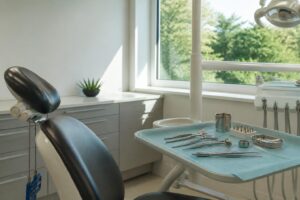

Dentures in Pickering can replace several missing teeth or a full arch, but the right design depends on the teeth and tissues that remain. A denture assessment looks at comfort, chewing, speech, appearance, cleaning and long-term maintenance. At Ivory Dental, we explain the available options after examining your mouth rather than recommending a standard package.
This guide covers complete and partial dentures, the fitting process, common adjustments and the questions that affect fees. It also compares dentures with bridges and implants so you can prepare for a useful consultation. For clinic-specific service details, visit our dentures in Pickering page.
Types of Dentures in Pickering: Complete and Partial Options
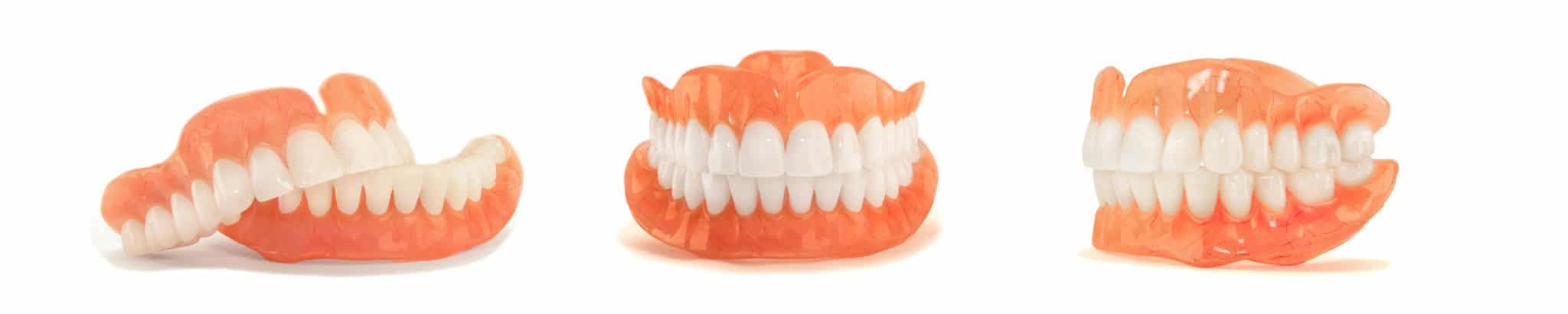
A complete denture replaces all teeth in the upper or lower arch. It rests on the gum-covered ridge and is shaped to support the lips and cheeks. Retention and stability depend on the anatomy of the mouth, saliva, muscle control and the way the upper and lower teeth meet.
A partial denture replaces selected teeth while natural teeth remain. It may use clasps or other components for support. The design depends on the position and health of the remaining teeth, the size of the spaces and the forces created during chewing. A partial denture must be cleaned around the appliance and the supporting teeth because those areas can trap plaque and food.
An immediate denture is placed soon after teeth are removed. It avoids a period without teeth, but the mouth changes as it heals, so adjustments, relining or later replacement may be needed. A conventional denture is made after the tissues have had more time to heal. Your dentist can explain the practical trade-offs for your situation.
Denture design is also influenced by what supports the appliance. Natural teeth can support a partial denture, while a complete lower denture generally has less surface area for support than an upper denture. Implant support may improve stability in selected cases, but it adds surgery, healing, components and maintenance. Those differences are why a consultation should focus on function as well as appearance.
The Canadian Dental Association’s information on bridges and dentures explains how these treatments replace missing teeth and why ongoing care remains important.
What Happens During a Denture Assessment and Fitting?
The first visit includes an examination of the gums, remaining teeth, bite and oral tissues. X-rays may be recommended to assess roots, bone or teeth that are not visible. Tell the dentist about sore spots, dry mouth, previous denture problems and any medical condition or medication that could affect healing or saliva.
If teeth need treatment before a denture is made, that work becomes part of the plan. Some teeth may be suitable for fillings, crowns or gum care; others may not be restorable. The dentist should explain why any extraction is proposed and whether another option is reasonable.
Impressions or digital records capture the mouth, and measurements help plan the position of the teeth and the bite. A try-in may be used so appearance and tooth position can be reviewed before the denture is finished. The number of visits varies with the design and whether healing or other treatment is involved.
When the denture is inserted, the team checks pressure areas, retention and the bite. Written cleaning and wearing instructions are important. A new appliance may need follow-up adjustments as you use it; a sore spot should be assessed rather than endured or altered at home.
Bring an old denture even if it no longer fits. It can show what you liked about tooth size, colour and position and where previous pressure or movement occurred. Also mention changes in speech, chewing or facial support. These details help the dentist and laboratory understand the practical goal, although a new appliance cannot always reproduce every feature of an older one.
Adapting to Eating, Speaking and Daily Care
New dentures can feel bulky at first. Start with manageable foods cut into small pieces and chew slowly on both sides. Progress based on comfort and the instructions from your dentist. Very hard or sticky foods can destabilize an appliance or create high pressure on one area.
Reading aloud can help you practise speech while your tongue and cheeks adapt to the new shape. If clicking, gagging or movement continues, the fit or bite may need to be checked. Adhesive is not a substitute for assessing a denture that has become loose.
Remove and clean the denture as directed. Use a brush and product suitable for denture materials; ordinary abrasive toothpaste can scratch some appliances. Clean the gums, tongue and any remaining teeth as well. Keep the denture protected from drying or distortion according to the instructions you receive, and never use very hot water.
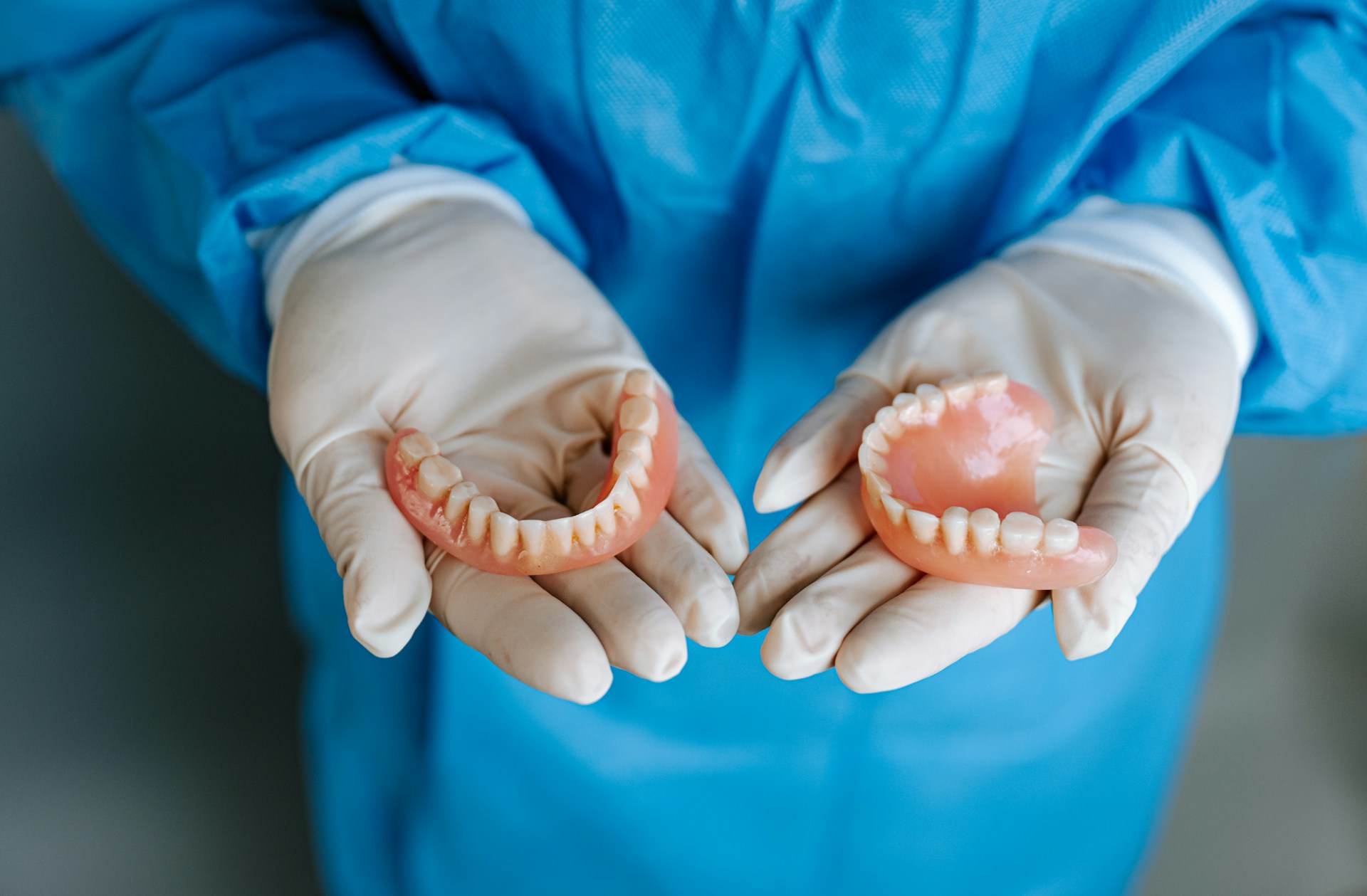
The shape of the jaw and gums changes over time, even when the denture itself still looks intact. Regular dental examinations let the team check the tissues, fit, bite and remaining teeth. Call sooner for persistent soreness, cracks, sudden looseness, a change in the bite or a mouth sore that does not heal.
Costs, Coverage and Alternatives to Dentures
The fee for dentures depends on whether the appliance is complete or partial, the materials and design, laboratory work, records, extractions, relines and follow-up. A meaningful estimate therefore follows an examination. Ask what the estimate includes and which future adjustments or maintenance services are separate.
Timing can affect the total plan. An immediate denture may require more follow-up as tissues heal, while delaying fabrication until later in healing changes the period before the final appliance. If several teeth need decisions, ask whether treatment can be phased and which choices would change the future denture design.
Dental-plan coverage varies. The clinic can provide treatment codes and an estimate, but the insurer decides benefits, limitations and replacement intervals. Public programs also have eligibility and coverage rules. Confirm the current terms directly with the program rather than relying on a generic online price.
Alternatives may include a dental bridge, dental implants or an implant-supported removable appliance. Not every option is suitable for every mouth. Health, bone, remaining teeth, surgery, maintenance, time and cost all affect the comparison. A patient may also combine approaches in different parts of the mouth.
A good decision is based on priorities you can state clearly: whether you want a removable or fixed option, how much treatment time you can manage, and what maintenance is realistic. Ask what each option can and cannot accomplish.
Ask to see the plan in writing before treatment begins. It should identify which teeth remain, which need treatment, the type of proposed appliance, expected appointments and the main alternatives. If appearance is a priority, discuss tooth size, colour and position at the planning stage; changes become more limited after laboratory work is complete. A clear plan also helps you compare estimates on the same scope rather than comparing two prices for different appliances.
Frequently Asked Questions
How long do dentures last?
There is no guaranteed lifespan. Wear, fit, oral changes, cleaning and accidents all matter. A dentist should check the appliance and tissues periodically and recommend relining, repair or replacement when indicated.
Will dentures let me eat normally?
Most people need an adaptation period and may need to modify how they cut and chew food. Fit, muscle control and the type of denture affect function. Persistent difficulty should be assessed.
Can I repair a broken denture myself?
No. Household glue and home adjustment can damage the appliance or oral tissues. Keep the pieces and contact a dental clinic for an assessment.
Do I still need dental visits if I have no natural teeth?
Yes. The mouth, gums, tongue, bite and denture fit still need assessment. Report persistent soreness, colour changes, swelling or a sore that does not heal.
How do I request a denture consultation in Pickering?
Call Ivory Dental at (905) 839-9663 or use the contact form. The Pickering clinic is at 1300 Kingston Road, Unit #3.
Pickering patients comparing types of dentures can phone Ivory Dental at (905) 839-9663 to request a consultation. Bring your current appliance, medication list and any dental-plan information to the visit.