
If your dentist or hygienist has mentioned that you may need a deep cleaning, it is natural to wonder how that differs from your usual dental cleaning. A deep cleaning, also called non-surgical gum disease treatment or scaling and root planing, is a more thorough cleaning aimed at the area below the gumline, where regular brushing, flossing, and routine cleanings cannot fully reach once gum disease has taken hold.
Here is what this type of treatment generally involves, what to expect during and after the appointment, and how ongoing maintenance helps protect your results.
What Non-Surgical Gum Disease Treatment Is
Gum disease begins when plaque and tartar build up along and below the gumline, leading to inflammation that can eventually affect the tissue and bone that support your teeth. A deep cleaning removes that plaque and tartar buildup from the tooth surface and the root surface below the gumline, then smooths the root surface so it is more difficult for bacteria to reattach. Because it addresses the cause of the inflammation directly, non-surgical gum disease treatment is often the first step your dentist recommends before considering any more advanced treatment.
How This Differs From a Routine Cleaning
A routine cleaning focuses on the visible tooth surfaces and just below the gumline to prevent plaque and tartar from building up in the first place. A deep cleaning goes further, reaching below the gumline along the root surface, in the pockets that can form once gum disease has progressed. Your dentist or hygienist will use a periodontal probe to measure the depth of these pockets around each tooth, which helps determine whether a deep cleaning is appropriate and gives a baseline to compare against at future visits.
Common Factors That Can Contribute to the Need for This Treatment
Gum disease develops differently from person to person, but a few factors are generally understood to increase the chances that plaque and tartar build up below the gumline:
- Irregular home care. Gaps in daily brushing and flossing give plaque more opportunity to harden into tartar, especially below the gumline where a toothbrush cannot reach.
- Smoking or tobacco use. Tobacco use is a well-documented risk factor for gum disease and can also affect how well the gum tissue heals after treatment.
- Certain health conditions. Conditions that affect the immune system or blood sugar control, such as diabetes, can make gum tissue more susceptible to inflammation and infection.
- Genetics and family history. Some patients are more prone to gum disease than others, even with a similar home-care routine.
- Certain medications. Some medications can affect saliva flow or gum tissue, which may influence how plaque and tartar accumulate.
- Time since your last professional cleaning. Longer gaps between cleanings give tartar more time to build up in places daily brushing and flossing cannot fully reach.
These factors help explain why gum disease can affect people with different oral hygiene habits, and why your dentist looks at your whole health picture, not just your teeth, when discussing a treatment plan. If any of these apply to you, your dentist can talk through how they may be factoring into your specific recommendation.
What Happens During the Appointment
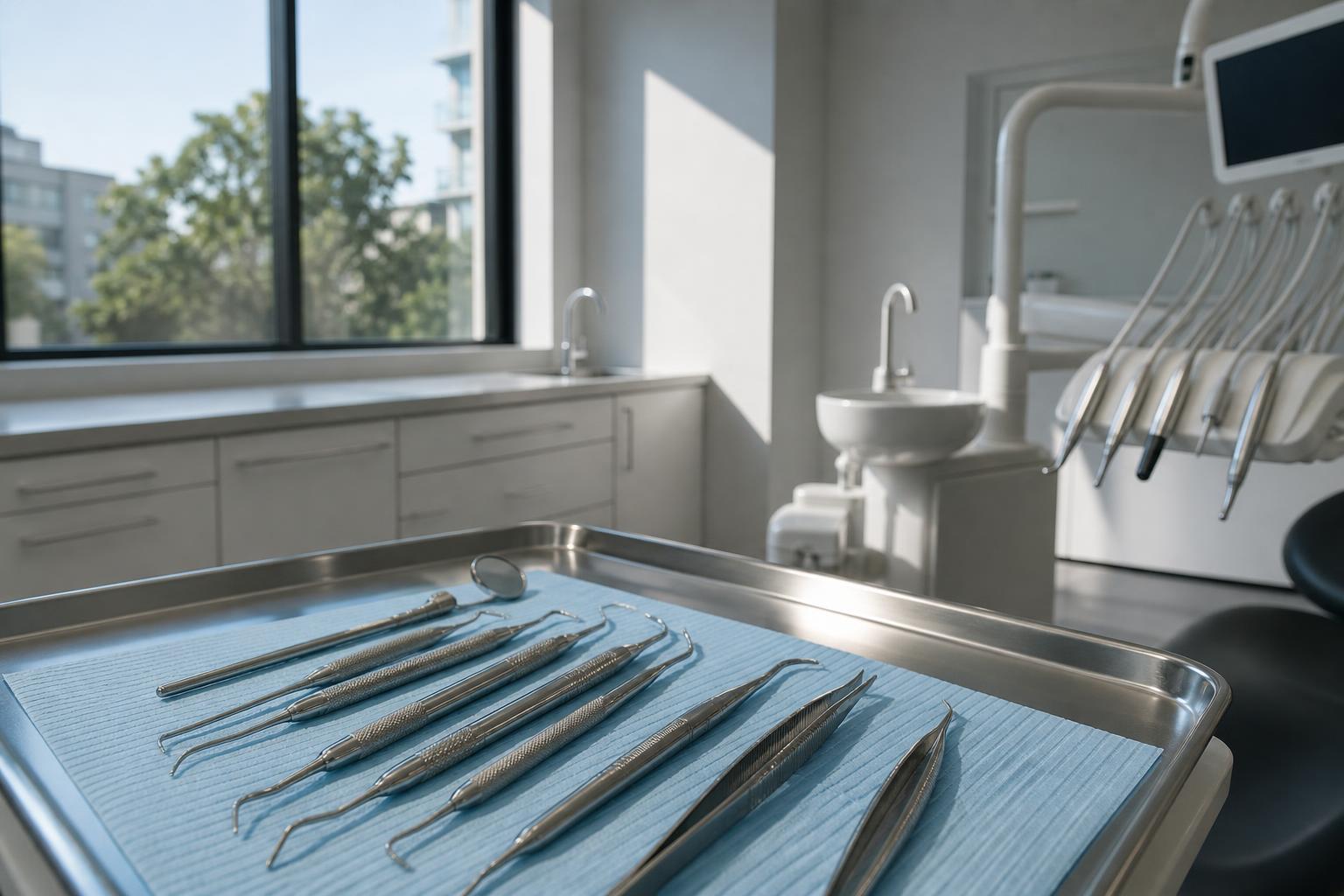
A deep cleaning typically involves two related steps:
- Scaling. Plaque and tartar are carefully removed from the tooth surface and from below the gumline, along the root.
- Root planing. The root surface is smoothed, which makes it harder for bacteria and tartar to collect there again and gives the gum tissue a better chance to reattach to the tooth.
Depending on how many areas need treatment, this may be completed in one visit or split across two appointments, often treating one side of the mouth at a time. Your dentist can explain what to expect for your specific treatment plan.
Comfort During Treatment
Because a deep cleaning reaches below the gumline, your dentist will typically numb the treatment area with a local anesthetic before starting, so the appointment itself is generally comfortable. It is common to experience some tenderness, sensitivity, or mild swelling in the treated area for a day or two afterward, similar to how gums can feel after other dental treatment. If you have questions about what to expect for your comfort level, your dentist can talk you through the plan before your appointment.
Healing and Aftercare
After a deep cleaning, your dentist may recommend a few steps to support healing:
- Gentle brushing and flossing. Continue your normal oral hygiene routine, being gentle around the treated areas as they heal.
- An antimicrobial rinse. Your dentist may suggest a rinse to help manage bacteria while your gums heal.
- Avoiding certain foods temporarily. Very hot, cold, or spicy foods can be uncomfortable on freshly treated gums for a short time.
- Attending your follow-up visit. Your dentist will usually want to check healing and re-measure pocket depths after your gums have had time to recover.

Maintaining Your Results Afterward
A deep cleaning treats the buildup that has already occurred, but ongoing care is what helps keep gum disease from returning. Many patients move to a more frequent periodontal maintenance cleaning schedule after a deep cleaning, rather than the standard interval used for routine cleanings, since gum tissue affected by gum disease can benefit from closer monitoring. Consistent daily brushing and flossing, along with tools like interdental brushes for areas that are harder to reach, also play a significant role in maintaining the results of treatment. Your dentist can recommend a maintenance schedule and home-care routine suited to your situation.
Frequently Asked Questions
How do I know if I need a deep cleaning instead of a regular cleaning?
Your dentist or hygienist determines this by measuring the depth of the pockets around your teeth and evaluating the health of your gum tissue. A regular cleaning is typically sufficient for healthy gums, while deeper pockets and signs of gum disease usually call for scaling and root planing.
Is a deep cleaning painful?
Local anesthetic is typically used to numb the treatment area, so the procedure itself is generally comfortable. Some tenderness or sensitivity afterward is common and usually improves within a few days.
Will one deep cleaning cure gum disease permanently?
A deep cleaning addresses the current buildup and gives your gums a chance to heal, but ongoing home care and a maintenance cleaning schedule are what help keep gum disease from progressing again. Your dentist can outline a long-term plan based on how your gums respond to treatment.
How soon can I eat normally after a deep cleaning?
Most patients can eat normal foods again once the numbness wears off, though it is common to avoid very hot, cold, or spicy foods for a day or two while the treated area is still tender.
Does scaling and root planing take more than one visit?
It depends on how many areas need treatment. Some patients complete scaling and root planing in a single appointment, while others are scheduled over two visits, often treating one side of the mouth at a time. Your dentist can outline the plan for your specific case.
Ask About Scaling and Root Planing in Pickering
If your dentist has recommended scaling and root planing, or if you have noticed changes like bleeding, swelling, or tender gums, our team can evaluate your gum health and explain what treatment would involve. Learn more about gum disease treatment in Pickering and our Pickering dental office. To request an evaluation, call Ivory Dental at (905) 839-9663 or contact our office. Recommendations are based on your examination and individual oral-health needs.