

A professional teeth whitening treatment is a popular way to achieve a noticeably brighter smile. However, the journey to a radiant set of teeth doesn’t end once you leave the dental chair. To ensure your investment in a whiter smile lasts as long as possible, it’s crucial to follow proper post-whitening care habits.
Whether you recently completed whitening at Ivory Dental or are considering it for the future, understanding aftercare can make a significant difference. By adopting the right practices, you can extend the longevity of your results and enjoy a confident, dazzling smile every day.
Why Post-Whitening Care Is Essential
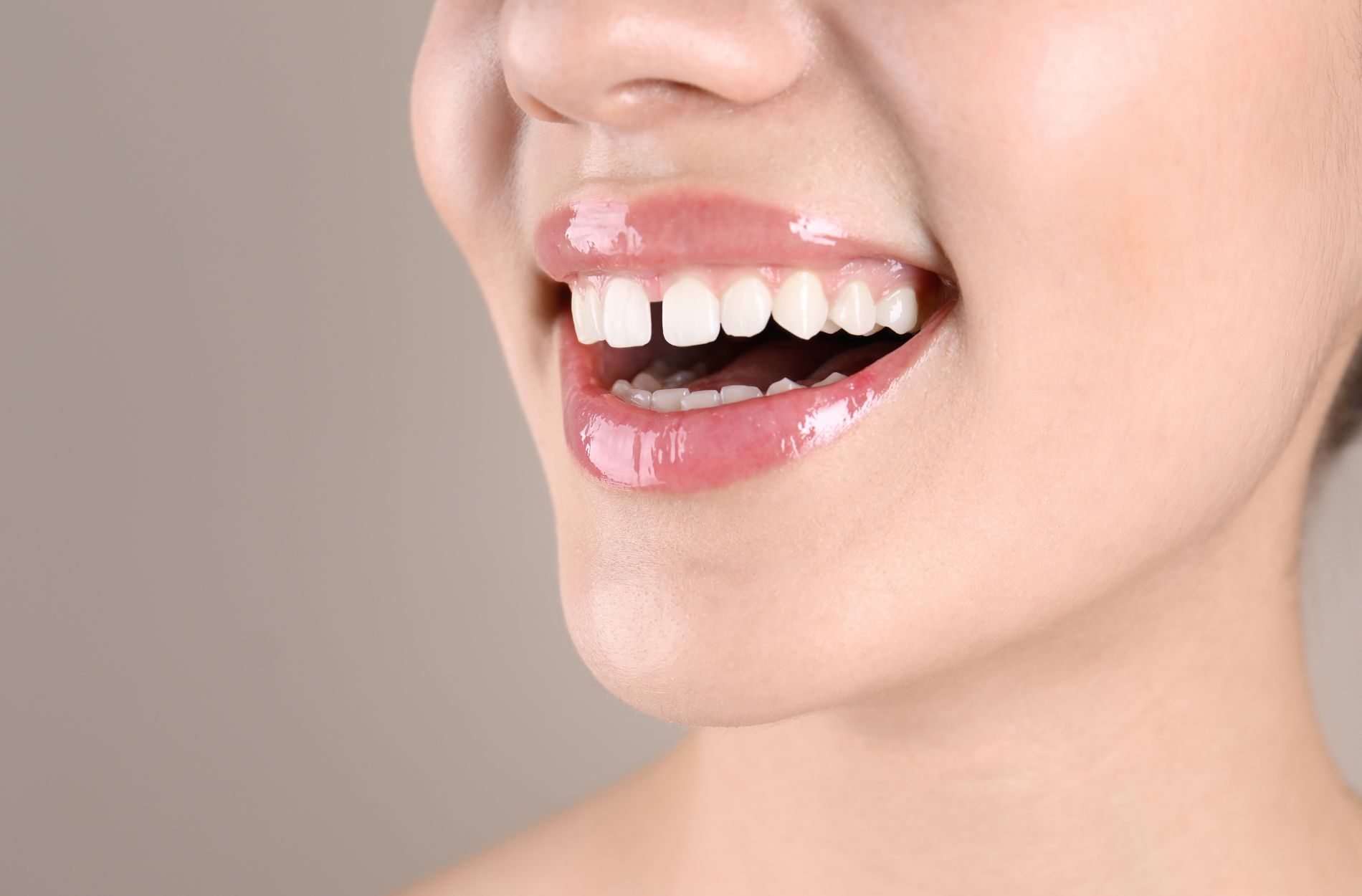
After a teeth whitening session—whether in-office or using a take-home kit—your enamel is more porous for a short period. This temporary state makes your teeth more susceptible to staining from foods, drinks, and lifestyle habits. Neglecting aftercare can cause new discoloration to develop quickly, lessening the impact of your treatment.
Proper post-whitening care helps protect your teeth during this vulnerable time. By making careful choices in the days and weeks following your procedure, you can prevent premature staining and ensure your smile stays whiter for much longer. Additionally, good aftercare supports your overall oral health by encouraging regular cleaning and healthy routines.
Understanding the “White Diet” Window
You may hear the first day or two after whitening described as the “white diet” or “clear diet” period. The idea is simple: while your enamel is temporarily more porous, the pigments in deeply colored foods and drinks can settle in more easily than they normally would. Choosing light-colored, low-pigment options during this short window gives your teeth the best chance to hold onto their new shade.
This doesn’t have to feel restrictive. Think of it as a brief, intentional pause rather than a permanent change. Good choices during this period include plain chicken or turkey, white fish, rice, pasta with light sauces, potatoes, cauliflower, bananas, plain yogurt, egg whites, and water. The goal is to avoid anything that would leave a noticeable stain on a white shirt, because if it can stain fabric, it can more easily stain freshly whitened enamel. Once the window passes, you can gradually return to your usual diet while staying mindful of the most aggressive staining culprits.
Top Post Teeth Whitening Care Tips
To maximize your whitening results, start by avoiding stain-causing foods and beverages for at least 48 hours after treatment. Items like coffee, tea, red wine, berries, and tomato sauces are known to contribute to staining. Instead, opt for lighter-colored foods such as chicken, rice, cauliflower, and bananas during this window.
Another essential tip is to maintain excellent oral hygiene. Brush your teeth at least twice daily with a soft-bristled toothbrush and fluoride toothpaste. Floss once per day to remove plaque from between your teeth. For added protection, consider using a whitening toothpaste once your dentist approves it. Regular professional cleanings, such as those provided at Ivory Dental, can also help preserve your results.
Lastly, limit habits that could compromise your whitened smile. If you smoke or use tobacco, be aware these products are among the most common culprits for staining. Quitting or reducing use will not only benefit your newly brightened teeth but also support your overall dental health. For further reading on the impact of smoking, visit CDC: Smoking and Oral Health.
Managing Tooth Sensitivity in the First Few Days
Some degree of temporary sensitivity is common after whitening, and it usually has nothing to do with anything going wrong. The same process that lifts stains can briefly leave teeth more reactive to hot and cold, so you might notice a twinge with iced water or a warm drink in the first day or two. For most people this fades quickly on its own.
A few comfort measures can help while your teeth settle. Switching to a toothpaste formulated for sensitive teeth, ideally starting it a few days before treatment if you know you’re prone to sensitivity, can make a real difference. Sticking to lukewarm rather than very hot or very cold foods and drinks reduces the triggers, and a soft-bristled brush is gentler on already-reactive teeth. If sensitivity is sharp, lingers beyond a few days, or seems to be getting worse rather than better, that’s worth a call to your dental team so we can check that nothing else is going on. We’d always rather take a quick look than have you guess.
Long-Term Maintenance Strategies for a Whiter Smile
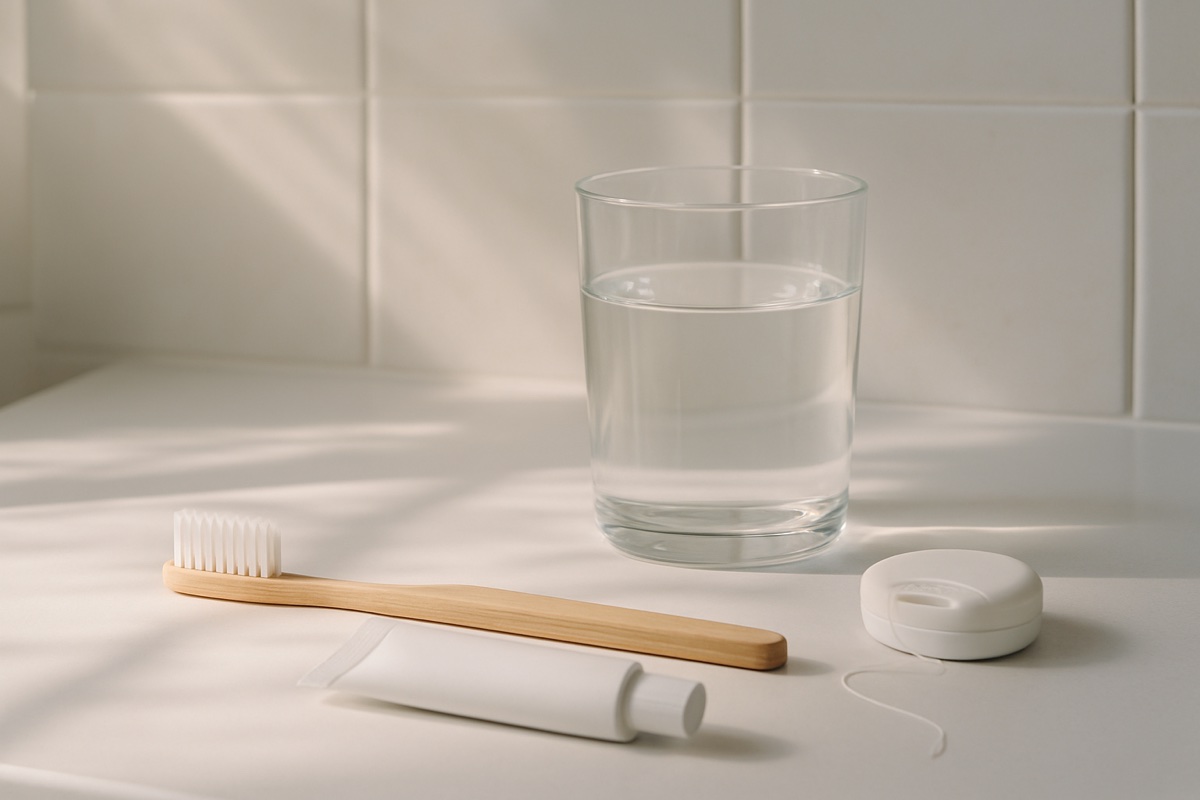
After the initial post-whitening period, focus on habits that will help you maintain your results for the long term. Scheduling regular dental checkups and cleanings at your trusted cosmetic dentist in Pickering is one of the most effective strategies. These appointments allow professionals to remove surface stains and monitor your oral health.
Consider using a straw when drinking beverages that could stain your teeth, such as iced coffee or dark sodas. This reduces direct contact with your enamel. Additionally, rinse your mouth with water after consuming potentially staining foods and drinks to help flush away pigments before they settle on your teeth.
For those who wish to refresh their results, touch-up whitening treatments are available. Your dentist can recommend the best frequency based on your habits and needs. Many people benefit from annual touch-ups to keep their smile at its brightest. Learn more about whitening maintenance at MouthHealthy: Whitening.
Common Mistakes to Avoid After Teeth Whitening
One of the most frequent mistakes patients make is returning too quickly to their normal eating and drinking habits. Even a single cup of coffee or glass of red wine within the first 24-48 hours can re-stain your teeth. Be diligent about waiting before reintroducing these items into your diet.
Avoid using highly abrasive toothpaste or hard-bristled brushes immediately after whitening. These can irritate your gums and enamel, potentially leading to sensitivity or uneven results. Stick with gentle, dentist-recommended products until your teeth have fully recovered from the procedure. For specific product recommendations, consult your dental professional at Ivory Dental.
Lastly, don’t skip scheduled dental cleanings. Professional cleanings every six months are key to preventing buildup that can dull your smile and undo whitening progress. Combine these with daily care for best results.
Realistic Expectations: How Long Results Last
It helps to go into whitening with a clear sense of what to expect afterward. Whitening results are not permanent, and that’s normal rather than a sign the treatment didn’t work. How long your brightness holds depends heavily on your daily habits—someone who drinks coffee and red wine regularly will naturally see their shade dim sooner than someone who rarely does. Smoking, certain medications, and even genetics also play a role in how teeth hold their color.
The encouraging part is that you have a lot of influence over the outcome. Consistent home care, mindful food and drink choices, the occasional straw, rinsing with water after staining beverages, and regular professional cleanings all stretch your results considerably. When the shade does eventually soften, a touch-up is usually quicker and simpler than the original treatment. If you’re ever unsure whether it’s time for a refresh, we’re happy to take a look and talk through your options rather than have you wonder.
Frequently Asked Questions
How long should I avoid colored foods and drinks after whitening?
It’s recommended to avoid colored foods and drinks for at least 48 hours after a whitening procedure. This timeframe allows your enamel to re-harden and reduces the risk of new stains forming on freshly treated teeth.
Can I use whitening strips or toothpaste after my professional treatment?
While whitening toothpaste can help maintain your results, it’s best to wait until your dentist gives approval, especially for over-the-counter strips. Overuse or inappropriate timing can lead to sensitivity or damage. Always follow your dentist’s guidance.
What should I do if my teeth are sensitive after whitening?
Mild sensitivity is common after whitening, but it generally subsides within a few days. Use a toothpaste designed for sensitive teeth and avoid very hot or cold foods. If sensitivity persists or worsens, contact your dentist for advice.
For the best in professional teeth whitening and long-lasting results, connect with Ivory Dental. Our team is dedicated to helping you maintain your brightest smile. Call us today at (905) 839-9663 or contact us online to schedule your next visit or consultation.