
For many adults in Pickering and the surrounding areas, dentures provide a new lease on life by restoring the function and appearance of natural teeth. Whether you’re adjusting to your first set or have worn dentures for years, knowing how to care for them properly is essential to maintain your oral health and avoid unnecessary discomfort or costly replacements.
Improper denture care can lead to persistent stains, unwanted odors, or even oral infections. This article outlines expert-backed strategies for cleaning, maintaining, and recognizing when your dentures may need professional attention or replacement, helping you maximize their lifespan and comfort.
Why Daily Denture Care Matters
Unlike natural teeth, dentures are made from materials that can accumulate plaque, food debris, and stains if not cleaned thoroughly each day. Left unchecked, these buildups can promote gum irritation, fungal infections like oral thrush, and persistent bad breath. Daily care also helps prevent the development of hard deposits that are much more difficult to remove without professional help.
Proper denture hygiene not only preserves the appearance and function of your prosthesis but also supports the health of your remaining gums and any natural teeth. At Ivory Dental, we often see that those who follow a consistent cleaning routine experience fewer oral health issues and enjoy a more comfortable fit over time.
How to Properly Care for Dentures at Home
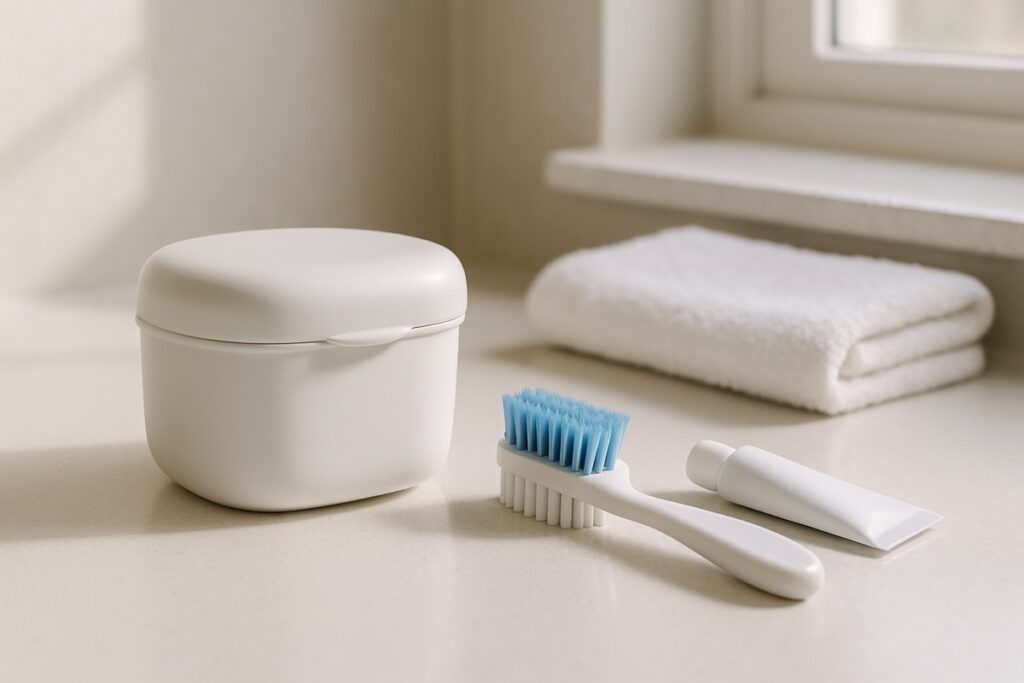
Learning how to properly care for dentures at home is key to extending their lifespan and ensuring a healthy mouth. Begin each day by removing your dentures and rinsing them to wash away loose debris. Use a soft-bristled brush specifically designed for dentures and a non-abrasive cleanser—never regular toothpaste, which can scratch the surface. Gently brush all surfaces, paying special attention to areas that come into contact with your gums.
When not in use, always keep your dentures moist. Soak them overnight in a suitable cleaning solution or plain water to prevent warping. Avoid exposing them to hot water, as it can alter their shape. For detailed cleaning advice, visit our dentures care page. For additional information on cleaning protocols, the Canadian Dental Association provides comprehensive guidelines for denture maintenance.
Building a Simple Daily and Overnight Routine
Consistency is what separates dentures that stay comfortable for years from those that develop problems early, and a predictable routine makes that consistency effortless. A practical rhythm looks like this: rinse your dentures after meals whenever you can to clear away trapped food, give them a thorough brushing once a day with a denture brush and non-abrasive cleanser, and soak them overnight so they stay moist and any lingering bacteria are kept in check.
A few small touches make the routine safer and easier to stick with. Brushing and handling your dentures over a folded towel or a sink filled with a little water cushions them if they slip, since dentures can crack if dropped onto a hard surface. Taking them out overnight gives your gum tissues a chance to rest and recover, which many people find improves comfort and reduces irritation. In the morning, rinse the dentures before putting them back in, especially if you’ve used a commercial soaking solution, so you’re not introducing those chemicals into your mouth. Built around your day, these steps take only a few minutes and quickly become second nature.
Common Mistakes to Avoid with Denture Maintenance

Some of the most frequent issues we encounter at Ivory Dental stem from minor oversights in daily routines. Using harsh or abrasive cleaners can scratch dentures, making them more prone to stains and bacterial buildup. Others use boiling water or bleach, which can damage or discolor the appliance. It’s also important to refrain from bending or adjusting your dentures on your own, as this can alter their fit and lead to sore spots.
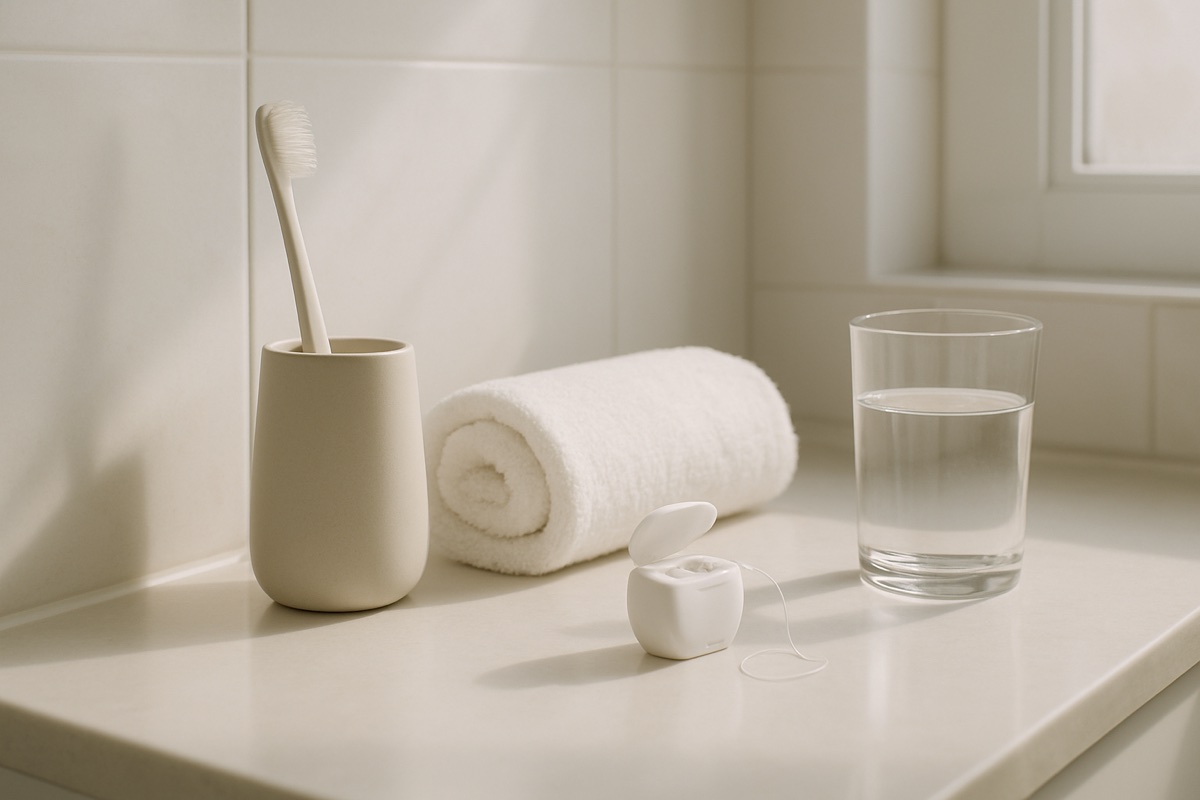
Another common pitfall is neglecting regular oral hygiene for your gums and any remaining natural teeth. Even if you wear full dentures, brushing your gums, tongue, and palate each morning stimulates circulation and removes bacteria. Scheduling routine professional cleanings, such as those available at our Pickering clinic, will help spot any early issues and keep your mouth in top shape.
Caring for Your Gums and Soft Tissues
It’s easy to think of denture care as caring only for the appliance, but the health of the gums, ridges, and soft tissues underneath matters just as much. Those tissues carry the entire load of chewing, so keeping them healthy is what allows your dentures to stay comfortable. Each morning before you put your dentures in, gently brush your gums, the roof of your mouth, and your tongue with a soft toothbrush. This clears away bacteria, freshens your breath, and stimulates circulation in the tissues that support your dentures.
Giving your gums a daily break is part of this too. Wearing dentures around the clock without rest can leave tissues sore and raises the chance of a fungal infection, which is one reason overnight removal is so often recommended. Pay attention to how your mouth feels: redness, tenderness, sores that don’t heal, or a white coating can all be signs your tissues need attention. We’d far rather you mention these early than wait, because most of them are simple to address when caught promptly. If you notice anything that doesn’t settle on its own within a few days, give us a call.
When to See Your Dentist About Dentures
Even with impeccable home care, all dentures will eventually show signs of wear or changes in fit. If you notice persistent discomfort, sore spots, or difficulty chewing, it may be time for an adjustment or replacement. Changes in your gums or jawbone over time can affect how your dentures fit and function, potentially leading to irritation or infection if not addressed promptly.
Regular dental checkups allow your dentist to examine both the appliance and the health of your oral tissues. Professional evaluations can catch issues like microscopic cracks or hidden bacterial buildup that may escape notice at home. The American Dental Association recommends annual dental visits for all denture wearers. If you ever drop or damage your appliance, never attempt repairs yourself—contact your dental provider right away for assistance.
Frequently Asked Questions
How often should dentures be cleaned each day?
Dentures should be brushed at least once daily and rinsed after every meal when possible. Soaking them overnight is also recommended to prevent warping and bacterial buildup.
What should I do if my dentures become loose or uncomfortable?
If your dentures no longer fit properly, schedule a visit with your dentist. Do not attempt to adjust them yourself, as improper handling can cause permanent damage or oral injury.
Are there foods or drinks to avoid with dentures?
Sticky, hard, or very hot foods can damage dentures or cause discomfort. Cut your food into smaller pieces and chew slowly. Avoid chewing gum or foods that may stick to your appliance.
Maintaining your dentures is an ongoing commitment, but you don’t have to do it alone. If you have questions about denture care, oral hygiene, or adjustments, reach out to Ivory Dental in Pickering. Call us at (905) 839-9663 or contact us today to schedule your visit. Our team is here to keep your smile comfortable and confident for years to come.

