
For many adults in Pickering and surrounding communities, cosmetic dental enhancements can be life-changing. Two of the most popular options for improving the appearance of your teeth are dental bonding and veneers. Each method offers unique advantages, and understanding their differences is essential for making the right choice for your smile and lifestyle.
This comprehensive guide from Ivory Dental will help you compare dental bonding versus veneers in Pickering. We’ll review the procedures, costs, longevity, and suitability for various dental needs. Whether you’re considering subtle improvements or a full smile makeover, you’ll find clear, practical information to help you decide.
Dental Bonding: A Quick and Versatile Solution
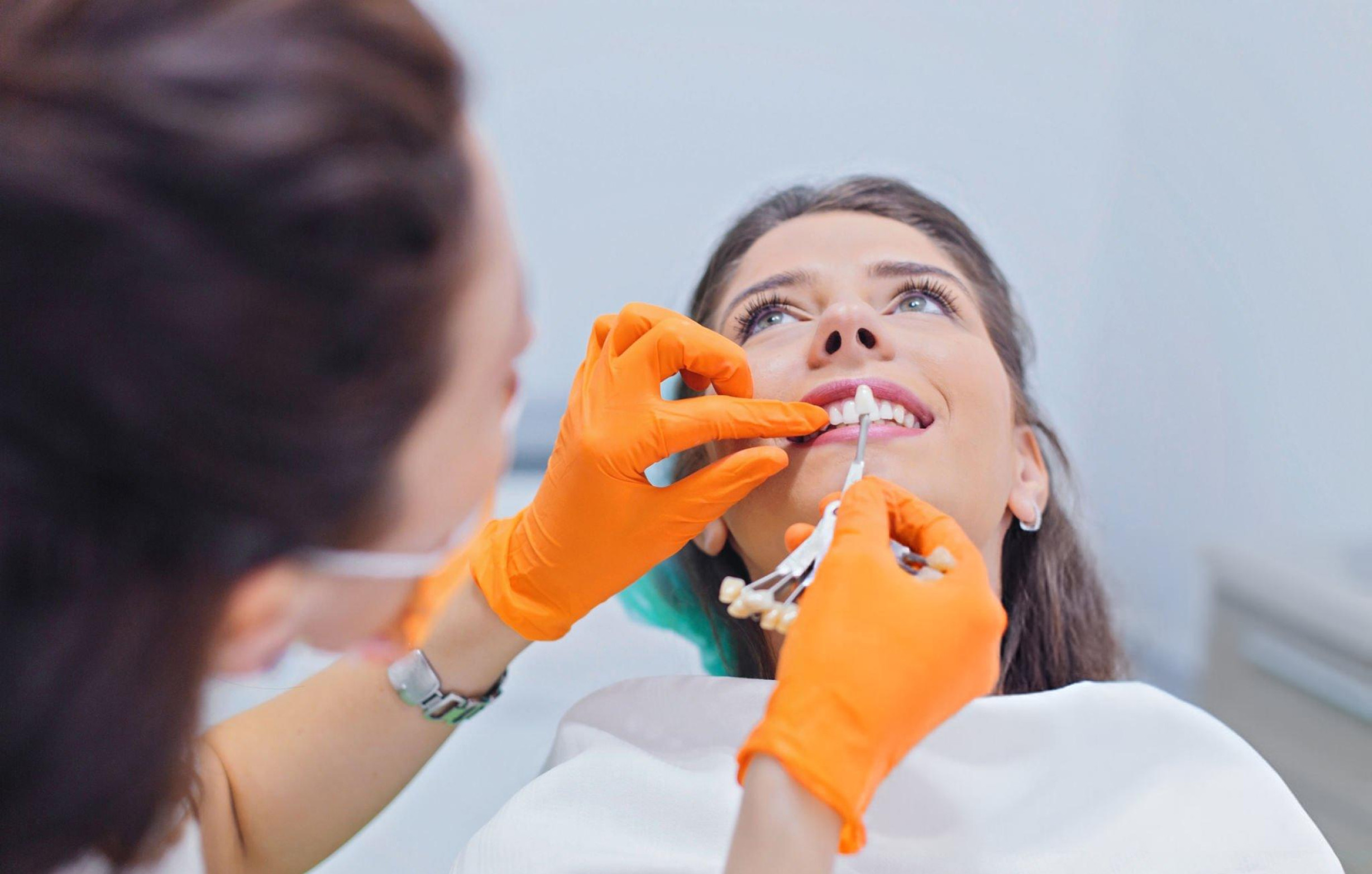
Dental bonding is a minimally invasive cosmetic procedure used to correct minor imperfections in the teeth, such as chips, gaps, discoloration, or uneven edges. The process involves applying a tooth-colored resin to the affected area, which is then sculpted and hardened under a special light. This technique can often be completed in just one visit, making it ideal for those seeking immediate results.
Bonding is also one of the most cost-effective cosmetic dental treatments. It generally requires little to no enamel removal, and anesthesia is rarely needed unless the bonding is being used to fill a cavity. The material can be matched closely to the natural shade of your teeth, ensuring a seamless and attractive appearance. For more information on our cosmetic offerings, visit our cosmetic dentistry page.
Veneers: Durability and Dramatic Smile Transformation
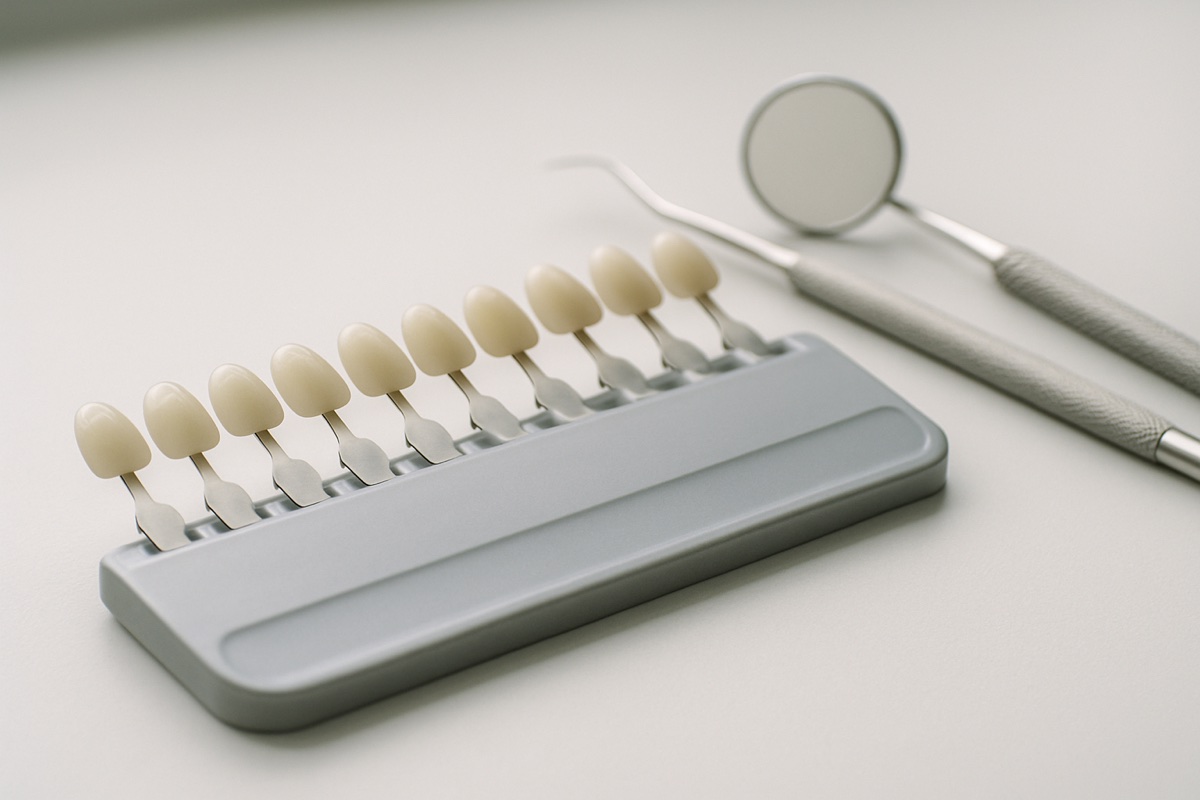
Dental veneers are thin, custom-crafted shells—typically made from porcelain or composite resin—that are bonded to the front surfaces of teeth. Veneers are particularly effective for those seeking a uniform, movie-star smile. They can mask severe discoloration, misalignment, and more significant imperfections that may be challenging to address with bonding alone.
The veneer process usually involves two or more visits. During the first appointment, a small amount of enamel may be removed to accommodate the veneer’s thickness. A dental impression is taken and sent to a lab, where your veneers are custom-made. At the next visit, the veneers are securely bonded to your teeth. Porcelain veneers, especially, are highly resistant to staining and can last 10-15 years with proper care. For a detailed look at how veneers compare to other cosmetic treatments, the American Dental Association (ADA) offers a helpful overview.
Reversibility and Tooth Structure: A Key Difference
One distinction that often gets overlooked in a cost comparison is how each option affects your natural teeth. Dental bonding is largely additive—resin is applied to the tooth, and because little or no enamel is usually removed, it can often be adjusted, repaired, or removed later without permanently altering the underlying tooth. That makes bonding an appealing choice for younger patients or anyone who wants to keep their options open.
Veneers, particularly traditional porcelain veneers, typically involve removing a thin layer of enamel so the shell fits naturally and doesn’t look bulky. Because enamel doesn’t grow back, this is considered an irreversible step, and a tooth that has been prepared for a veneer will generally need a veneer or crown from that point on. This isn’t a drawback so much as a trade-off: the enamel preparation is part of what gives veneers their durable, lifelike result. Understanding this difference helps you weigh a more conservative, flexible approach against a longer-lasting, more transformative one, and it’s exactly the kind of thing we talk through during a consultation.
Cost, Maintenance, and Longevity
One of the most significant distinctions between dental bonding and veneers is the overall investment. Bonding is generally less expensive per tooth than veneers, but it is also less durable. Bonded teeth may require touch-ups or replacement every 3-7 years due to staining or chipping, especially if you frequently consume coffee, tea, or red wine.
Veneers, on the other hand, cost more upfront but often last much longer. Their stain resistance and strength make them an excellent option for those seeking a longer-term solution. Regardless of which procedure you choose, maintaining good oral hygiene and attending regular dental visits are key to maximizing your results. Explore more about dental bonding in Pickering on our service page.
Caring for Bonding and Veneers Day to Day
Whichever option you choose, the habits that protect your investment are reassuringly familiar. Both bonding and veneers thrive on the same foundation of good oral care: brushing twice a day with a non-abrasive toothpaste, flossing daily, and keeping up with regular checkups and cleanings. Healthy gums and teeth underneath are what allow cosmetic work to look its best over time.
A few specific habits help these restorations last. Avoid using your teeth as tools—opening packages, biting fingernails, or chewing on pens can chip bonding and, over time, stress veneers. If you grind or clench your teeth at night, a custom nightguard is one of the smartest protections you can invest in, since grinding is a common reason cosmetic work wears or fractures early. Bonded teeth in particular benefit from being mindful of staining foods and drinks, since resin can pick up color more readily than porcelain. None of this requires a complicated routine; it’s mostly small, consistent choices, and we’re glad to tailor specific guidance to whichever option you select.
Which Option Is Right for You? Key Considerations
Your decision between dental bonding and veneers should be guided by your cosmetic goals, budget, and oral health status. Bonding is ideal for minor cosmetic fixes or for those seeking a reversible, lower-cost solution. It’s also a good choice for young patients or individuals with minimal enamel loss.
Veneers are best for those looking to address more extensive imperfections or desiring a dramatic transformation. They require a greater commitment, as the process involves permanent alteration of your natural teeth. A consultation with a dental professional at Ivory Dental can help assess your needs and recommend the most suitable approach. You can learn more about cosmetic dental options at the Canadian Dental Association website.
Cost and longevity often tip the decision as well. Bonding is typically the more affordable option up front and can usually be completed in a single visit, but the material is more prone to chips and stains and tends to be refreshed every few years. Veneers cost more initially and require removing a thin layer of enamel, yet they resist staining and commonly last well over a decade with good care. We walk through both the short-term and long-term numbers with you so the choice fits your goals and your budget, not just todays appointment.
Frequently Asked Questions
How long does dental bonding typically last?
Dental bonding can last between 3 to 7 years, depending on care and lifestyle habits. Avoiding hard foods, not biting on pens or fingernails, and maintaining regular dental checkups can help extend the life of your bonded teeth.
Are veneers a good solution for chipped or cracked teeth?
Yes, veneers are an excellent choice for restoring the shape and appearance of chipped or cracked teeth, especially when a more durable and stain-resistant restoration is desired. They create a uniform appearance and can last over a decade with proper care.
Is the procedure for bonding or veneers painful?
Most patients experience little to no discomfort during dental bonding, as it rarely requires anesthesia. Veneer placement may involve minor enamel removal, so local anesthesia is sometimes used, but patients generally report minimal pain during and after the procedure.
If you’re considering a cosmetic upgrade in Pickering, Ivory Dental is here to guide you every step of the way. Call us today at (905) 839-9663 or visit our contact page to schedule a consultation and discover which cosmetic option is best for your unique smile.

