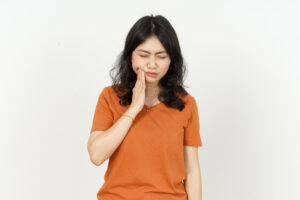

A dental bridge is a common way to replace missing teeth. It helps fill the space left behind, makes eating easier, and keeps your other teeth from shifting around. For many people in Pickering, dental bridges are a trusted option that feel just like their natural teeth, until something changes. If you’ve noticed a strange wiggle, pain while chewing, or it just doesn’t feel quite right anymore, you’re not alone.
Winter routines may bring those small discomforts into sharper focus. Colder air and seasonal stress can add pressure to your jaw, making a loose bridge more noticeable. Many people with dental bridges in Pickering aren’t sure what to do when things don’t feel stable. The good news is that loose bridges can often be fixed if caught early.
Signs Your Dental Bridge Might Be Loose
Not every shift or twinge means your bridge is failing, but some warning signs shouldn’t be ignored. These changes can be small at first, which makes them easy to brush off during busy winter months. But catching them early can save you time and prevent discomfort from getting worse.
• You feel the bridge move when you bite or chew, even slightly
• Your bite seems different or doesn’t line up like it used to
• Food gets stuck around the bridge more often than before
• There’s tenderness around the area, or even mild throbbing
• You notice pressure when drinking hot or cold drinks
Some of these changes happen naturally over time, especially if your bridge is older. But if you feel a sharp shift or increasing discomfort, it’s worth having it looked at. Pain, swelling, or sudden movement usually means something’s not sitting right anymore.
What Could Be Causing the Movement
When a bridge becomes loose, it can be from a few different causes, and not all of them are easy to see. Understanding what’s going on under the surface helps you make a better choice about your next steps.
• The teeth under the bridge (called abutment teeth) may be weakening or have developing decay
• The cement that holds the bridge might have worn away from age or everyday use
• Gum recession could be changing the fit, especially if your bone structure has shifted
• If you clench your jaw or grind your teeth, something people often do more in colder months, it can lead to pressure that affects the bridge over time
An older bridge can also start to show signs of general wear, especially if you’ve had it for many years without adjustments. Cold weather often triggers more clenching than we realize, especially when we’re stressed or tense. These small changes can add up.
Why You Shouldn’t Wait to Have It Checked
It’s tempting to wait and see if a loose feeling goes away. But putting off treatment can cause more than just discomfort, it can damage your mouth in ways that require more work down the line.
• The bridge could become even looser, putting strain on nearby teeth
• Supporting teeth can crack or become infected if stress isn’t relieved
• The gums around the bridge might react, causing soreness or inflammation
• An untreated problem could lead to needing a full replacement rather than a simple fix
Small issues are often much faster to correct. We always tell patients in Pickering that it’s easier for us to make minor adjustments than fix bigger problems later. As we move through winter and routines get more packed, it’s best to take care of it before it gets worse.
What a Local Dentist Might Do About It
When we check on a bridge that feels loose, we look at more than just the piece itself. Many issues involve the area around the bridge, not just the bridge alone. Our goal is to figure out if the supporting teeth are still strong and whether the cement has held up.
• We’ll take a close look at how the bridge fits and whether it’s putting pressure on the wrong spots
• X-rays may show signs of decay or changes to bone that aren’t visible by eye
• If the bridge is still in good shape, we might only need to re-cement it
• In cases where there’s wear or damage, replacing the bridge may be the right move
Dentists who treat dental bridges in Pickering are familiar with how changing temperatures and common winter stressors can affect oral comfort. If something feels off, we work to find what’s causing it and explain your options clearly.
Ivory Dental offers a range of bridge types, including traditional bridges and those supported by dental implants, custom fit to blend with your natural teeth.
Keeping Your Bridge in Good Shape Moving Forward
Even a well-made bridge needs a little help from time to time. With the right care and habits, you can extend the life of your bridge and keep it feeling comfortable through every season.
• Brush gently around the bridge twice a day using a soft toothbrush
• Use floss threaders or small brushes to clean underneath it once a day
• Choose non-abrasive toothpaste to avoid irritating the gums
• Pay attention to hard foods that might stress or loosen the bridge
• Visit the dentist at least twice a year to check for shifting or strain
During the colder months in Pickering and Danforth, Toronto, we often notice more reports of jaw clenching or teeth grinding. If you’ve had bridge work, even small shifts in pressure can add up. Wearing a night guard or changing habits may help protect your bridge.
Taking care of your dental bridge is simpler when you work with a dental team that provides preventive care and regular monitoring as part of their ongoing service.
Protect Your Smile with Confidence
A loose bridge doesn’t always mean something serious is wrong, but it does mean something has changed. Noticing early shifts and listening to how your bite feels can give you a real advantage. Waiting often turns a small adjustment into a bigger repair.
By staying aware of everyday habits and booking regular checkups, you can catch small issues before they cause bigger trouble. A little attention now can keep your bridge strong, secure, and ready to carry you comfortably through the rest of winter in Pickering.
Noticing changes when you chew or clean around your bridge can be a sign that it’s time for a professional assessment. At Ivory Dental, we know even minor concerns can quickly become bigger issues if not addressed early. Our team is here to help you stay ahead so your bite remains strong and comfortable. To explore your options for dental bridges in Pickering, give us a call to book your visit today.