
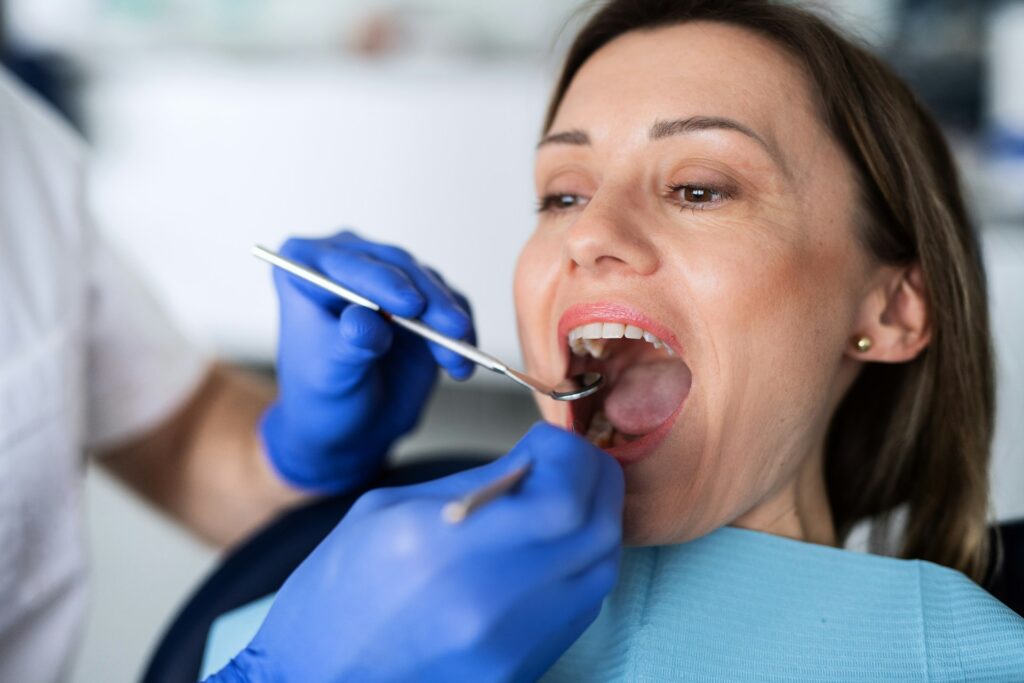
Dental bridges help many people regain the comfort and aesthetics of a complete smile, especially after losing a tooth or two. These effective tools act as a form of replacement where one or more teeth used to be. The bridge is designed to “bridge” the gap, which not only brings back confidence in smiling but also makes chewing more comfortable. However, what if a dental bridge affects the teeth next to it? This is a common concern among dental bridge users and one worth exploring for anyone considering or already relying on this dental appliance.
Teeth support each other in a natural balance. When you have a dental bridge, the adjacent teeth play a crucial role in holding it in place. Sometimes, these nearby teeth might feel the strain, particularly if the bridge is not fitted well, leading to unease or potential damage. Understanding the functional dynamics of how bridges work can help identify some typical issues and how to prevent them from bothering those healthy teeth next door.
How Dental Bridges Work
Understanding how dental bridges work begins with knowing their basic structure and purpose. Dental bridges typically consist of one or more artificial teeth (called pontics) held in place by crowns that are fitted over the remaining teeth on either side of the gap. These supporting teeth are called abutment teeth, and their health is essential for the bridge’s overall success. By effectively filling the gap, bridges play a significant part in restoring your smile’s appearance and functionality.
Each dental bridge is custom-made to fit the patient’s unique dental landscape. This ensures that the bridge not only matches the color of your natural teeth but also aligns with your bite pattern. Bridges are anchored securely to ensure stability as you eat or speak. It’s important to note that while bridges are a sturdy option, they require nearby teeth to undergo preparation, which involves reshaping them to accommodate the crowns.
Here’s a closer look at how bridges provide support:
– Hold Artificial Teeth in Place: The roots of the anchor teeth support the false tooth.
– Maintain Facial Structure: Prevents the face from sagging by providing necessary support.
– Distribute Chewing Forces: Often helps in even distribution of force when chewing, reducing strain on the jaw.
– Restore Smile and Speech: As they fill in the gaps, speech clarity is often improved.
Understanding these aspects highlights why dental bridges are popular choices for many needing dental work in Pickering and Danforth, Toronto. Bridges not only look great but function smoothly as long as the support structure remains healthy. Taking care of your bridge and those crucial neighbouring teeth can prevent complications down the line, keeping your smile bright and trouble-free.
Common Issues with Adjacent Teeth
Dental bridges, while effective, can sometimes lead to issues with the neighbouring teeth that support them. Problems might occur if these teeth experience too much pressure or aren’t in peak condition before the bridge is placed. Common complications include tooth decay near the crowns, gum disease due to lack of proper cleaning, and even discomfort or pain if the bridge causes misalignment in your bite.
The pressure from a bridge might cause the abutment teeth to weaken over time. This happens especially if the bridge doesn’t fit perfectly or isn’t maintained well. Poor fit or shifting of the bridge can lead to food getting trapped, which in turn causes decay or gum issues. Additionally, if a bridge feels loose or causes a shifting sensation when chewing, it may point to problems with these pivotal teeth.
To avoid these pitfalls, it’s important for those with dental bridges to stay vigilant about oral hygiene. It’s also useful to be alert to any discomfort that could hint at an underlying issue.
Preventing Problems with Adjacent Teeth
One of the best ways to protect adjacent teeth is through diligent oral hygiene. Here are some habits that can help keep your teeth and gums healthy:
– Brush twice daily: Use a soft-bristled toothbrush and fluoride toothpaste.
– Floss daily: Ensure you’re removing particles from between teeth and around the bridge.
– Use an antibacterial mouthwash: This helps reduce bacteria and keep gums healthy.
Regular dental check-ups are key. These visits allow dentists to spot any early signs of decay or gum problems. Professional cleaning removes plaque and bacteria that brushing might miss. Dentists in Pickering have the expertise to offer advice tailored to individual dental health needs.
Treatment Options for Affected Teeth
If issues arise with the teeth next to your bridge, various treatments are available. Professional evaluation should ideally be the first step to decide on the best course of action.
Immediate treatment may include:
– Adjustments: If the fit causes discomfort, a quick adjustment might relieve pressure.
– Repairs: Fixing minor decay in abutment teeth can prevent further damage.
– Replacement: In cases of severe damage, replacing a bridge might be necessary to ensure overall dental health.
Dentists can guide through the necessary steps if a more comprehensive procedure is required, ensuring your teeth and gums remain healthy alongside your bridge.
Ensuring Long-term Success with Dental Bridges
Long-term success with dental bridges hinges on proper care and ongoing support from dental professionals in Pickering. Regular appointments allow for monitoring and maintenance of not just the bridge, but also the health of adjacent teeth.
Key practices for maintaining your bridge include:
– Observing changes in fit or comfort: Any new discomfort should prompt a visit to your dentist.
– Consistent hygiene routines: Stick to recommended brushing and flossing habits.
– Seeking timely advice: Don’t delay if something feels off with your bridge.
A well-maintained dental bridge can last for many years, providing comfort and ease in daily life, while ensuring your supporting teeth remain strong and healthy.
Achieving a Healthy Smile in Pickering
The journey to a balanced, healthy smile is continuously evolving. By staying attentive to the health of teeth around your bridge, you maintain not just your bridge but a functional and bright smile. Picking the right practices in dental hygiene and seeking help when needed ensures you continue to enjoy the benefits of your dental bridge over the long term.
Whether you’re new to dental bridges or have had them for a while, maintaining healthy teeth around your bridge is key. If you’re seeking expert advice or need more information about dental bridges in Pickering, Ivory Dental is here to guide you. Our team ensures that your dental bridge and overall oral health are top priorities, supporting you every step of the way.
Related Reading
- Can a Holistic Dentist in Toronto Treat Tooth Pain Differently
- What to Do If a Dental Bridge Feels Loose in Pickering
- What Happens If You Ignore a Root Canal in Pickering
Frequently Asked Questions
How long does a dental bridge last?
With proper oral hygiene and regular checkups, dental bridges typically last 5 to 15 years. Some bridges can last even longer with excellent care and maintenance.
Can you eat normally with a dental bridge?
Yes, once you adjust to your new dental bridge, you can eat most foods normally. We recommend avoiding very hard or sticky foods that could damage the bridge.
Is a dental bridge better than an implant?
Both options have advantages. Dental bridges are less invasive and quicker to place, while implants preserve jawbone and dont affect adjacent teeth. Dr. Claudia Wood can help determine the best option for your situation.
Book Your Appointment at Ivory Dental
Ready to take the next step for your dental health? Dr. Claudia Wood and the team at Ivory Dental are here to help. Call us at (905) 839-9663 or book an appointment online. We serve patients in Pickering, Ajax, Whitby, Oshawa, Scarborough, and Markham.
For more information, visit the Canadian Dental Association on bridges.
About the Author
Dr. Claudia Wood, DDS
Dr. Claudia Wood, DDS, is the owner and lead dentist at Ivory Dental in Pickering, Ontario. With years of experience in general, cosmetic, and restorative dentistry, Dr. Wood is committed to providing personalized, gentle dental care for patients of all ages. She holds a Doctor of Dental Surgery degree and stays current with the latest advancements in dental techniques and technology to deliver the highest standard of care.
Ivory Dental · 1300 Kingston Road Unit #3, Pickering, ON · (905) 839-9663

