
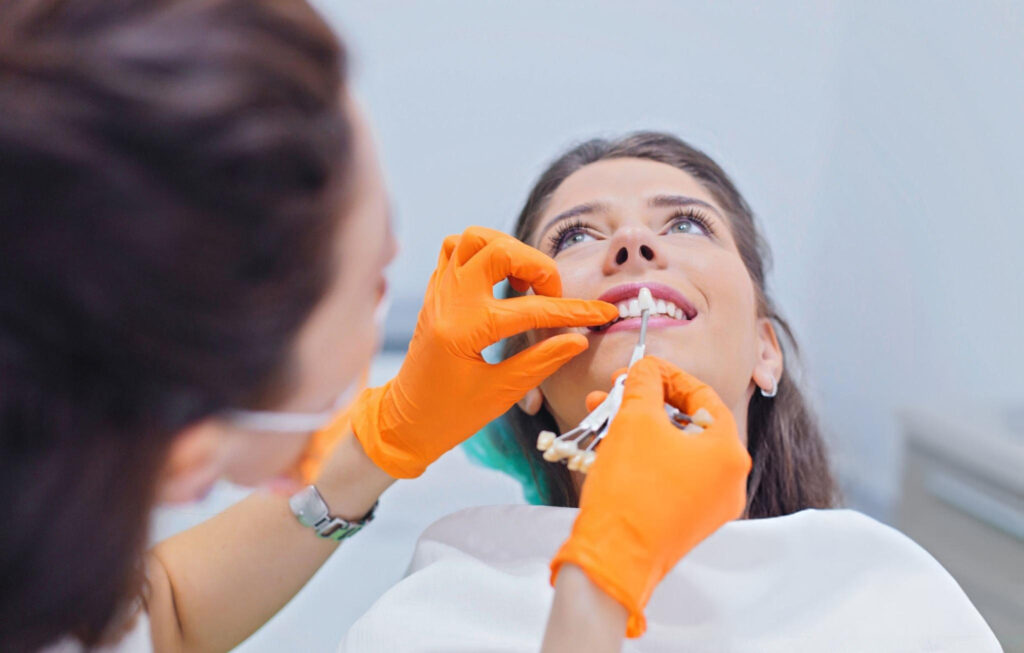
Getting a dental crown is like giving your tooth a brand-new suit of armour. It’s a neat little cap that fits right over a damaged or decayed tooth, protecting it and keeping it strong. People often need dental crowns when a tooth is weak and needs extra support, or if a tooth is broken, severely worn down, or even after a root canal treatment. With a crown, your tooth gets a reliable layer of protection and you regain the full use of your mouth. Plus, crowns can be made to match the colour of your other teeth, so your smile stays looking natural.
When you first get a dental crown, you might wonder how it will affect your daily life. Eating and speaking can feel different at first, but once you adjust, you may not even notice the crown is there. Being able to eat your favourite foods and chat away without worry is a big win. Sometimes, there’s a brief adjustment period. Your mouth just needs a little time to get used to it. But with a few tips and a little know-how, you’ll soon be eating and speaking just as comfortably as before.
Understanding the Adjustment Period
Once your new dental crown is in place, your mouth needs a bit of time to get used to it. This adjustment phase is a normal part of the process, where you sort of ease into the changes. At first, it’s not uncommon to notice that your bite might feel different. Some people say their teeth don’t quite meet exactly as before. Your mouth is simply adapting to the new addition. There’s a good chance you might feel some slight aching or tenderness around the crowned tooth during this time. Everything will settle down gradually.
Patience plays a big role here. The body is amazing at adapting, and your teeth and jaw are no exception. Typically, after a week or two, you should start to notice that things feel much more normal. If you’re anything like most people who’ve gotten crowns, you’ll soon forget it’s there at all. It’s also helpful to know that during this time, your dentist might request a follow-up check to make sure everything’s settling in just right. It’s all part of ensuring your comfort and giving that crown the best chance at success.
Eating with a New Dental Crown
When it comes to eating with your new dental crown, a few small tweaks can make a big difference to your comfort. Here are some handy tips to keep in mind:
– Start with Soft Foods: Begin by enjoying softer foods like yogurt, soups, or pasta. They require less chewing and help you ease into the new sensation.
– Avoid Sticky and Hard Foods: It’s a good idea to steer clear of sticky candies or gum, as they can pull at the crown. Also, avoid foods that are too hard, like nuts or ice.
– Reintroduce Solid Foods Gradually: Slowly bring back more solid foods as you get used to your crown. Chew on the other side of your mouth at first and gently test your new comfort zone.
Taking it slow during meals lets you fine-tune your bite and feel more at ease. Before you know it, you’ll be munching away on your favourite snacks just like you used to. Remember, the small steps you take now help pave the way to enjoying meals without a hitch in the future.
Speaking with a New Dental Crown
When you first start speaking with a new dental crown, it might surprise you how much of a difference it can make. Some words or sounds could come out differently, and this might throw you off during conversations or discussions. It’s natural to experience a bit of a learning curve, but with time and practice, your speech can go back to feeling just right.
To ease this transition, here are some simple and effective tips you might find handy:
– Read Out Loud: Spend a few minutes each day reading out loud. This practice can help you become more comfortable with how your crown feels during speech.
– Speak Slowly: Take your time while speaking. Slowing down can give you a chance to adjust and articulate better.
– Practice Tongue and Cheek Exercises: Strengthen the muscles around your mouth to improve clarity in your speech. Simple exercises like curling your tongue or puffing your cheeks can be helpful.
These exercises are quick to do and can make a real difference in how confident you feel while speaking.
Maintaining Your Dental Crown
Keeping your dental crown in top-notch condition is key to its longevity. Like anything else in your mouth, it thrives best with some tender loving care. Here’s how you can keep your dental crown in great shape:
– Regular Brushing and Flossing: Treat your crown like any other tooth. Brush twice a day and floss regularly to prevent plaque build-up around it.
– Avoid Problematic Habits: Try to avoid habits that could harm your crown, like chewing ice or using your teeth to open packages. This caution can save you from unexpected trips to the dentist.
Your crown can last a long time when you look after it properly, and it’s part of maintaining your wider oral health, too.
Wrapping Up: Embracing Your New Smile
Adjusting to a new dental crown is a unique journey, but it’s also an opportunity to protect your teeth and enjoy a healthier smile. By embracing the adjustment period and taking small, supportive steps, you’ll soon find that your crown feels as natural as your own tooth.
Beyond the crown itself, regular dental check-ups will help keep your oral health in check. Visits to the dentist ensure everything’s snug, secure, and just as it should be. With the right care, your dental crown will enhance the way you eat, speak, and smile, letting you go about your daily life with confidence and ease.
If you’re ready to fully enjoy everything life in Pickering has to offer with a more confident, comfortable smile, consider the advantage of getting dental crowns in Pickering at Ivory Dental. Our team is here to ensure a smooth transition and continued oral health. Visit dental crowns in Pickering to learn how we can help make your crown feel as natural as ever.
Related Reading
- Why Teeth Cleaning in Toronto Matters More in Spring
- Cracked Crowns in Pickering What Can Be Salvaged
- How a Family Dentist in Pickering Helps with Toddler Cavities
Frequently Asked Questions
How long do dental crowns last?
Dental crowns typically last 10 to 15 years with proper care. Some porcelain and gold crowns can last 25 years or longer. Regular dental checkups at Ivory Dental help monitor crown condition.
Does getting a dental crown hurt?
Getting a dental crown at Ivory Dental involves local anesthesia, so you should not feel pain during the procedure. Some patients experience mild sensitivity for a few days afterward.
Can a dental crown fall off?
While uncommon, dental crowns can become loose or fall off due to decay under the crown or weakened cement. If this happens, contact Ivory Dental immediately at (905) 839-9663 for re-cementation.
For more information, visit the Canadian Dental Association on crowns and bridges.
About the Author
Dr. Claudia Wood, DDS
Dr. Claudia Wood, DDS, is the owner and lead dentist at Ivory Dental in Pickering, Ontario. With years of experience in general, cosmetic, and restorative dentistry, Dr. Wood is committed to providing personalized, gentle dental care for patients of all ages. She holds a Doctor of Dental Surgery degree and stays current with the latest advancements in dental techniques and technology to deliver the highest standard of care.
Ivory Dental · 1300 Kingston Road Unit #3, Pickering, ON · (905) 839-9663